Ethics and Photography

in this post I am going to discuss the four case studies covered in the lecture and comment on my own work and how it is affected by these ethical dilemmas . During the lecture I was specifically asked to research case study 2 about the Don McCullin image and issues around truth and facts in photography and the ethics of image manipulation in News photography specifically War and documentary work. I am also interested in this image in regard to the ethics around photographing dead people and showing their images to the public. I have used the image of a dead person in one of my images and I will discuss this. I am also going to discuss case study 3 and 4 as I am very interested in appropriation, I am very pro appropriation in fact and have used appropriation in my own work. I will discuss that further too. One of my main sources of research around the Ethics of photography is Susan Sontag masterpieces ‘On Photography‘ and ‘Regarding the Pain of Others‘. While Sontag discussed the ethical dilemma of photography I will also be looking at copyright law and professional codes of practice.

CASE 1
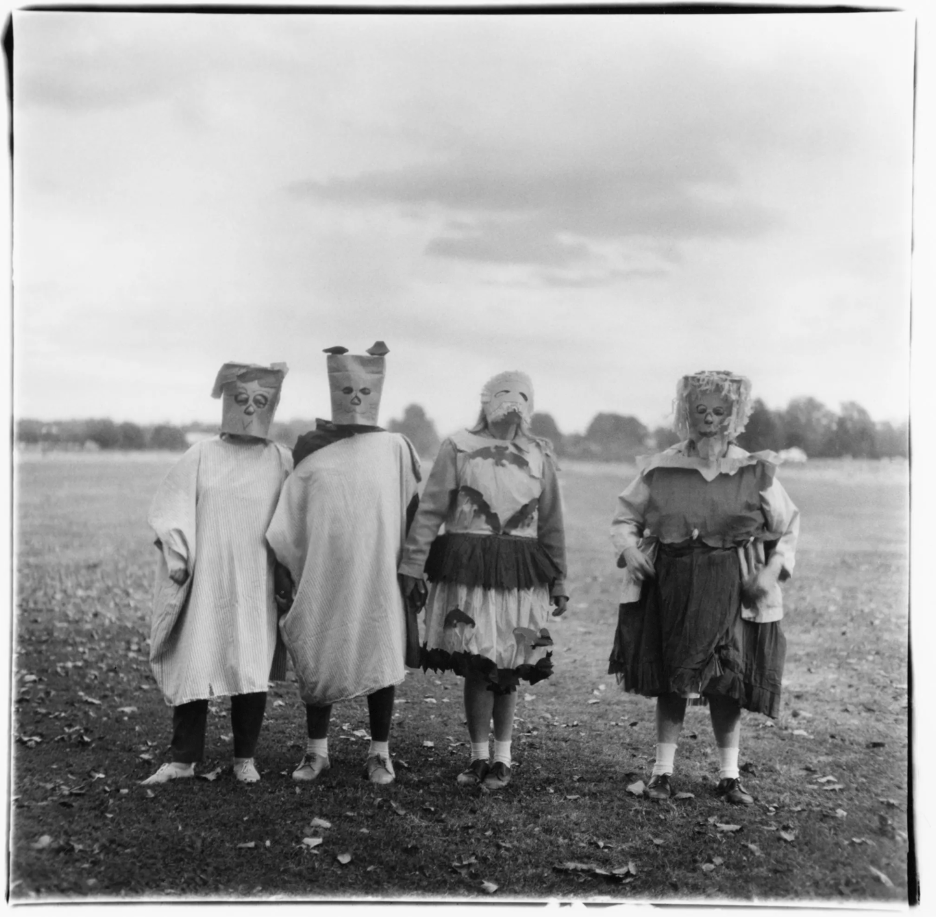
Diane Arbus

The incredible chapter written by Susan Sontag in her book On Photography called ‘America, Seen Through Photographs, Darkly‘ is a detailed discussion of the changing appetite of the viewing public from one of sublime “beauty” to morbid fascination of the “ugly”. On of the interesting analogies is that of Edward Steichen’s 1953 exhibit “the Family of man” as contrasted with Diane Arbus’s retrospective at MOMA in 1972. Sontag describes these events as “one does so by universalising the human condition into joy , the other by atomising it into horror”. both exhibits clearly correspond to the historical context of the time where Steichen’s exhibit in the 1950’s reflects the optimism of post war America and its need to make sense and soothe itself after the horrors of world war 2 the other reflects the emerging cynicism of the 1970s, “the American experience had gone sour”. Where up until then photography had been about “levelling up, not down” Another trait she discusses is the emergence of vernacular photography and finding beauty in the banal. citing the work of Walker Evens as an example of how to make the ordinary beautiful. Evens photographed a milk bottle in 1915 and this was one of the first examples of beauty with in objects that weren’t beautiful.

Another interesting exhibit at the time was “New Topographics- Photographs of man-altered Landscapes” shown in 1975 , an exhibition curated by William Jenkins, it featured the work of  Robert Adams, Lewis Baltz, Bernd and Hilla Becher, Joe Deal, Frank Gohlke, Nicholas Nixon, John Schott, Stephen Shore, and Henry Wessel. It is Another turning point in the history if photography and it signalled a radical shift away from traditional depictions of landscape. Pictures of transcendent natural vistas gave way to unromantic views of stark industrial landscapes, suburban sprawl, and everyday scenes not usually given a second glance.

With Arbus, Sontag states the intention was contrary, “lined up assorted monsters and borderline cases – most of them ugly; wearing grotesque or unflattering clothing; in dismal or barren surroundings” Arbus did not invite the viewer to relate to these miserable looking people she wanted to create a sense of other and a non humanistic view.

“concentrating on victims…but without the compassionate purpose that such a project is expected to serve… she shows people who are pathetic… does not arose compassionate feelings”.

the images have a dissociated view and have been praised with an unsentimental empathy. Sontag reminds us that the camera can function as “a kind of passport that annihilates moral boundaries and social inhibitions, freeing the photographer from any responsibility toward the people photographed”

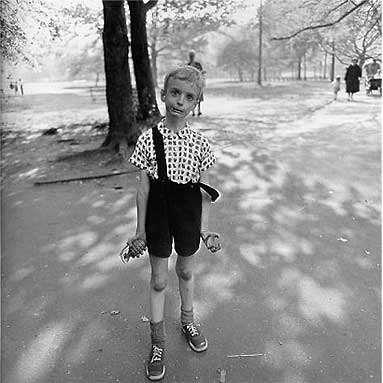
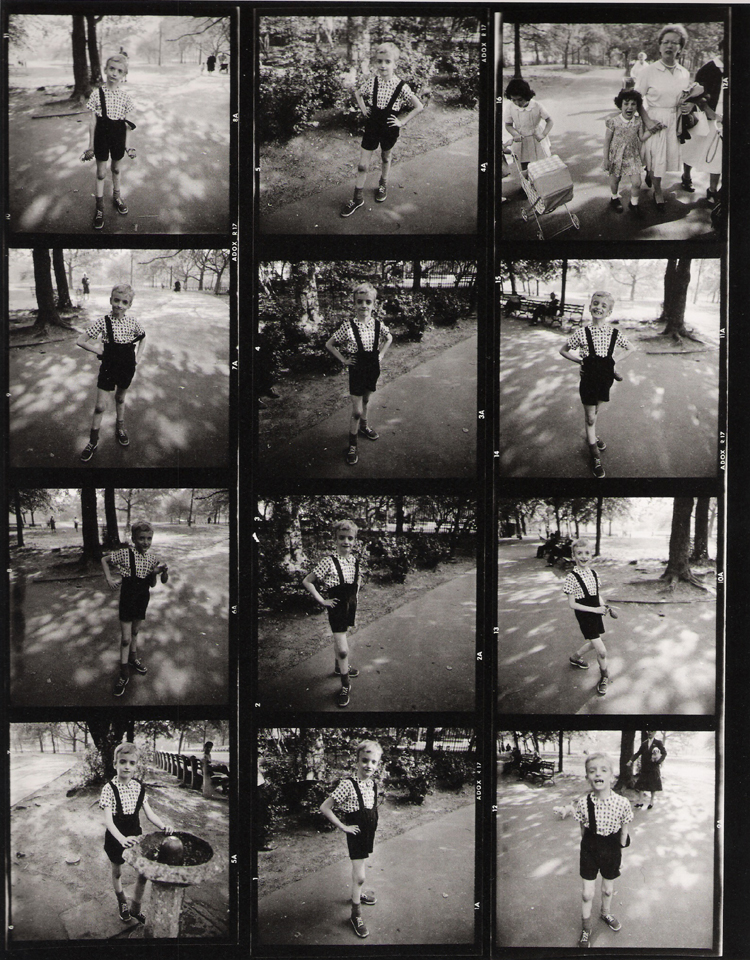
Arbus is quoted as having written “and essentially what you notice about them is a flaw” she is attributed with an overriding theme to her work.. “armed with a camera, could insinuate anguish, kinkiness and mental illness with any subject”. It was arbus’s intention and her choice of images show this clearly. She didn’t choose the most flattering image. and there is an ethical issue of what it might mean to depict a subject with an image which is at odds with their own desire to flattered. This image below was taken from a contact sheet of many more attractive images, that wasn’t Arbus’s imitation. her choice was deliberate as you can see here.

diane arbus photograph

diane Arbus
contact sheet of arbus photos

It was Arbus’s choice to suggest a world in which we are all isolated and awkward. It has been said that all controversies around Arbus’s practice was vindicated by her own suicide. Sontag says “the fact of her suicide seems to guarantee that her work is sincere, not voyeuristic, that it is compassionate, not cold. Her suicide also seems to make the photographs more devastating, as it proved the photographs to have been dangerous to her”

Sontag also reminds us that the camera can function as “a kind of passport that annihilates moral boundaries and social inhibitions, freeing the photographer from any responsibility toward the people photographed.”

Compliance and privacy issues remain. The issue of who has control over the final image are not quite clear in copywriter law. its true that whoever presses the button own the image unless they are under contract and are working for someone else, then they could also be assigned ownership. When working in Television documentary release forms would have to be signed by all specific contributors if the were speaking But background people , on the street for example did not have any right to the images as the street is a public place. if you were filming in a public place like restaurant which was still open to the public individual permission would not be necessary but a notice would need to be put on the wall notifying people that filming was taking place.This due diligence provided exemption for privacy claims.

When I photographed people in the Rehab back in 2019 I spoke to everyone and asked permission too photograph them and did not let my lens rest of those that didn’t want to be included. obviously a rehab also raised issues around medical health and medical confidentiality. if I was going to publish a book of these rehab pictures I would follow my own code of practice and contact all the people again to check they were still happy to be identified as addicts in the public domain.

with Arbus’s images the people in her images have given permission by default because they are posing for the camera, so that is an unwritten consent. there is an interesting debate about the life of a photograph as being separate from the subject within it. it has been said that

 “the photograph always includes our death. It is a thing that by its nature exists apart from us and can continue to exist after us, and its necessary independence and durability presuppose our mortality. In similar fashion, the very form of the medium also presupposes that it will not and never could protect the wishes of those being photographed. “

Nussenzweig v. DiCorcia

Philip-Lorca diCorcia, heads 2001

In 2006 Erno Nussenzweig took Philip-Lorca diCorcia to court. This pivotal lawsuit began in 2005, when Nussenzweig discovered that diCorcia, the renowned photographer, exhibited and sold images of his likeness without his consent. it was part of diCorcia’s 2001 series, Heads, at the Pace/MacGill Gallery. As an Orthodox Hasidic Jew, diCorcia’s reproduction of Nussenzweig’s image were violations of his deeply held religious beliefs, and in legal terms, a violation of the Civil Rights Law and New York State Privacy laws. The lawsuit requested the halt of all sales and publications of the specific image, as well as over $1 million in compensation.

DiCorcia’s defense stood by the fact that the Nussenzweig’s photograph was “art” and therefore exempt, since “art” is protected as free speech under the First Amendment of the United States. diCorsa won and went on to sell prints of Nessenzweig for $30,000 each, a run of 10 !

This is an interesting landmark case on the ethics of street photography and the use of public places. Is it a free for all for artistic expression or an invasion of privacy. What happens now as our world grows into a surveillance state and our faces, taken as we are strolling down the street, is captured infinitely.

Case 2
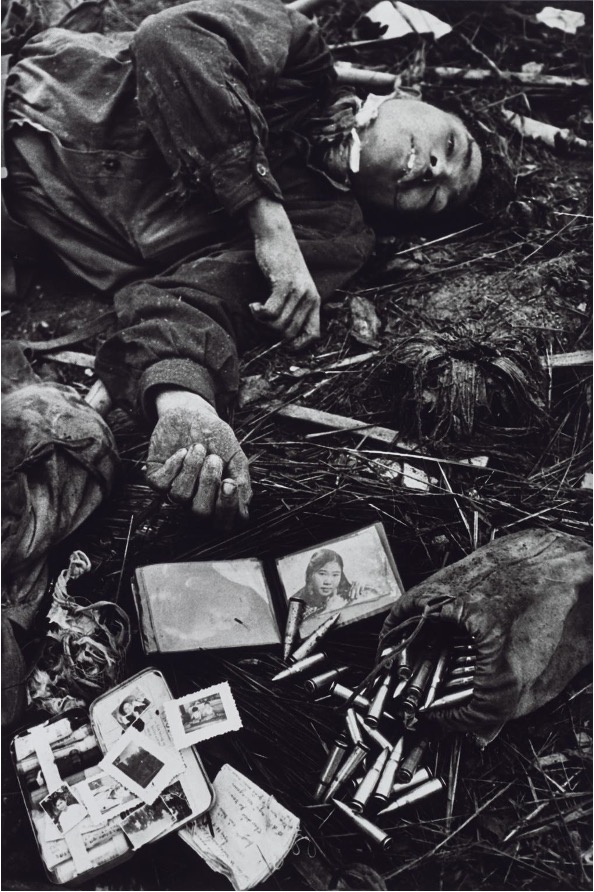
Don McCullin. ‘Body of a North Vietnamese soldier, Hue, Vietnam’, 1968

Documentary, War and News Photography

There are several questions around McCullin’s handling of image of the dead Vietnamese soldier above. One of the first is weather it is ethically correct to set up any part of a factual news photograph. fact or fiction? the other which I find fascinating is the ethics of showing dead people at all.

“He deserved a voice. He couldn’t speak so I was going to do it for him. I shovelled his belongings together and photographed them. That’s the only contrived picture I’ve taken in war.’

McCullin describes how just before he set up the picture he saw 2 American soldiers looting the booby trapped body and heard one of the soldiers refer to him as ” a dead gooK”. McCullin says he saw red and felt enraged and decided to right this wrong. he arranged the pictures of the soldiers mother, his sister and children and gave dignity back to ‘an innocent young man fighting for national reunification’. he humanised the man and gave his life context, he says he did it as a personal statement.. McCullin has been strongly criticised for doing this

https://www.theguardian.com/artanddesign/2012/nov/15/don-mccullin

In an interview in the guardian McCullin discusses the concept of TRUTH in photography. and he says that it is almost impossible not to be truthful in such devastating place as a battle field. if someone is dead they are dead, it doesn’t matter how you frames them. yes you take a split second to compose but its about an emotional commitment and connection not about perfection of technical aspects.

there is a long history of Truth in photography and when it was first invented people associated it with factual representation, Fox Talbert called it the pencil of nature. Its use by architects and the police as forensic evidence and as identification tools have given the photograph the reputation of being truthful. there is also a perceived attitude in the public that photographs shown by reputable agency like television and some newspapers all come with some kind of seal of authenticity and truthfulness. And it is true that many photojournalists would be refused work if they were shown to manipulate the truth while taking the photograph or in post production. there is a strict code of conduct.

there is a massive philosophical debate about what truth is, what facts are, is there even such a thing or are they just perceived ideas and actually truth is carried by the individual and totally reliant on the context of their own lives and environment. from Rene Descartes to Friedrich Nietzsche the search for truth, its meaning and even existence have been hotly debated. I would like to expand into endless philosophical ramblings here but will save you the pain and focus of professional practice not critical theory.

The subject of an image rarely sits alone and the context it is presented in both within the frame and outside of it, with supporting text for example, can dramatically alter the perceived truth of the image.

In my opinion with this McCullin image I feel the McCullen was honest about what he had done and that he separates this image from his other true documentary/war images by saying “I was making a statement” in a way that is like saying this image had become an expressive”artwork”. he used props to tell a narrative. There was a sincere motivation to his manipulation which sits fine with me. I think in a post truth world that we live in it is difficult to trust almost anything!

Photographing the Dead or Dying

Another ethical issue around McCullin’s image and of course many war photographs is that they show pictures of dead people. Dead people who can’t give their permission to be shown and issues of privacy and respect to family members of the deceased need to be taken into account. I wrote about the image below for critical studies last year and discussed this subject in some detail. here is a summery of some of the ethical debate around both war photography and photos of the dead or dying and why they appear to have been censored from todays news outlets and newspapers.
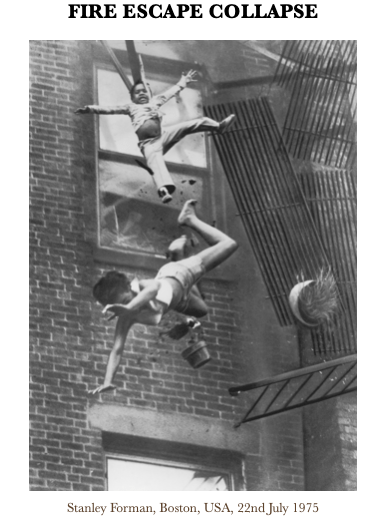
This photograph won the 1976 Pulitzer Prize in Spot News Photography and the World Press Photo of the year 1976. It was taken by Stanley Forman in Boston, USA while he was working for The Boston Herald American Newspaper. The photograph was printed on the front page and then around the world. According to Stanley the photograph was part of a sequence of shots that showed the moments nineteen year old Diana Bryant and her two year old god daughter Tiare Jones are thrown off a collapsing fire escape during an apartment block fire. Diana sadly died later that evening but Tiara survived as her fall was said to be cushioned by Diana’s body. The photograph caused public outcry and was accused of invading the privacy of the victims and their family.

There is extensive debate about the morality and ethics of printing explicit pictures of people who are dying or dead, in war zones, suicides or accidents. ‘Fire Escape Collapse’ was published in July 1975, a few months after the end of the Vietnam war.  A conflict that generated a huge quantity of uncensored harrowing images, like the McCullin image that were widely published. 

In 1977 Susan Sontag wrote in her book, On Photography, about the almost aggressive allure and  pornographical nature of both violent and sexual images. That there has been a level of emotional insensitivity, or “compassion fatigue” caused by the over exposure of people to explicit images of violence and death. 

Since Vietnam there has been a self imposed censor ship by the media to stop showing the dead. In his Article Horrific Blindness, David Campbell, traces the history of “disappearing bodies” from modern media. From the lynching photographs of the early twentieth century, when the public appetite for horror was rampant.

“Hundreds of kodaks clicked all morning at the scene of the lynching…”(Litwack, 2000, cited in Campbell, 2004, p.57) 

Campbell describes the decline in publication of horror images from Vietnam to Iraq and finally to their complete absence in the the media during the Bosnian war. Campbell agues that this self censorship  has resulted in the media being unable to uphold their “ethical responsibility” in the face of crimes against humanity.(Campbell, 2004)

In his book, Body Horror, Taylor also addresses the “disappearance of the dead” writing that it was the media’s own restrictions that censored the Bosnian war. In the UK this led the BBC’s corespondent, Martin Bell, to complain publicly that he was unable to report the reality. The censorship of “good taste” was, in Bell’s words, “leading the BBC to prettify and sanitise the war”

 The modern Press has is own codes of decency and propriety. The National Union of Journalists has a list of twelve codes of conduct; number six states: 

“6. Does nothing to intrude into anybody’s private life, grief or distress unless justified by overriding consideration of the public interest.” (NUJ code of conduct, 2011)

Are these codes of good taste and decency beneficial or even relevant today with our uncensored access to the internet. When Stanley’s Photograph was printed  it was in the public interest. Stanley wrote

“I was never bothered by the controversy…My photograph prompted people to go out and check their fire escapes and ushered in new laws… for fire-escape safety”(Picture Power:Fire-escape drama, 2005)                   

The Vietnam photographs helped to catalysed  the huge anti-war protests that contributed to the withdrawal of American troops. In fact Sontag later argued that perhaps ‘compassion fatigue” is not due to over exposure to explicit images but about the political context in which they are shown, to be empowering there needs to be an option for change.

“People don’t become inured to what they are shown  – because of the quantity of images dumped on them. It is passivity that dulls feeling” (Sontag, 2002 cited in Campbell, 2004, p.63 )

One of the most censored images in modern times is “The Falling Man” A photograph that was published around the world, then all but disappeared from public view. Today with the internet I was easily able to find a copy online. 
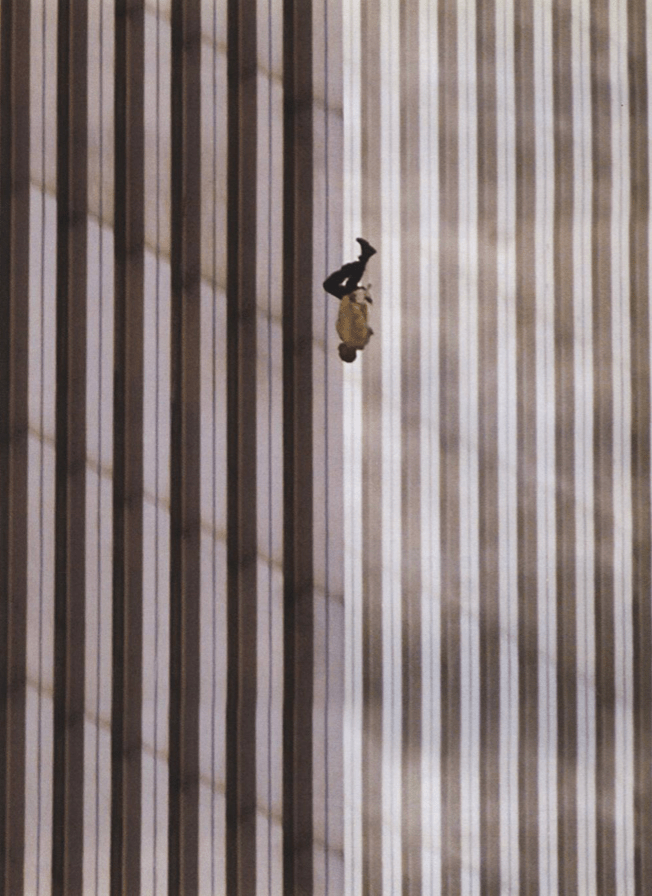
The photo shows just one of the estimated 200 people, called “Jumpers”, who instead of burning and suffocating, choose to fall to their death from the World Trade Centre on September the 11th, 2001. An event described in Esquire Magazine as a “mass suicide” (Junod, T. 2003). The public discourse and mass-condemnation of its printing could be attributed to the sense of powerlessness people felt around this terrorist attack, there was nothing they could do, was it gratuitous? Or perhaps it was that the “Jumpers” were mainly white, middle class and symbols of the American dream.

With the loss of control of institutional censors and the freedom of information online I believe censorship guidelines should be changed. It is vital to increase the visual intelligence of the viewing population. If the main stream press took back the responsibility of reporting the full extent of the horrors of life it could help people contextualise “horror” images and decrease their ability to violate and  titillate the viewers.

Using pictures of the dead in my own work

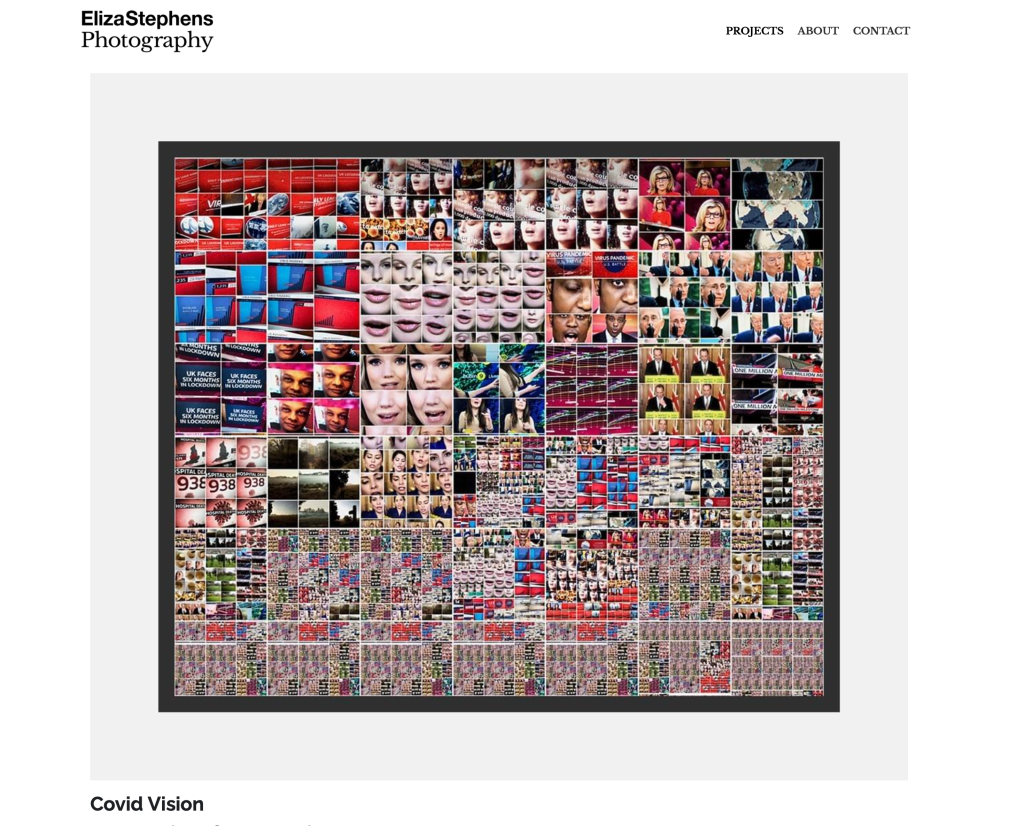
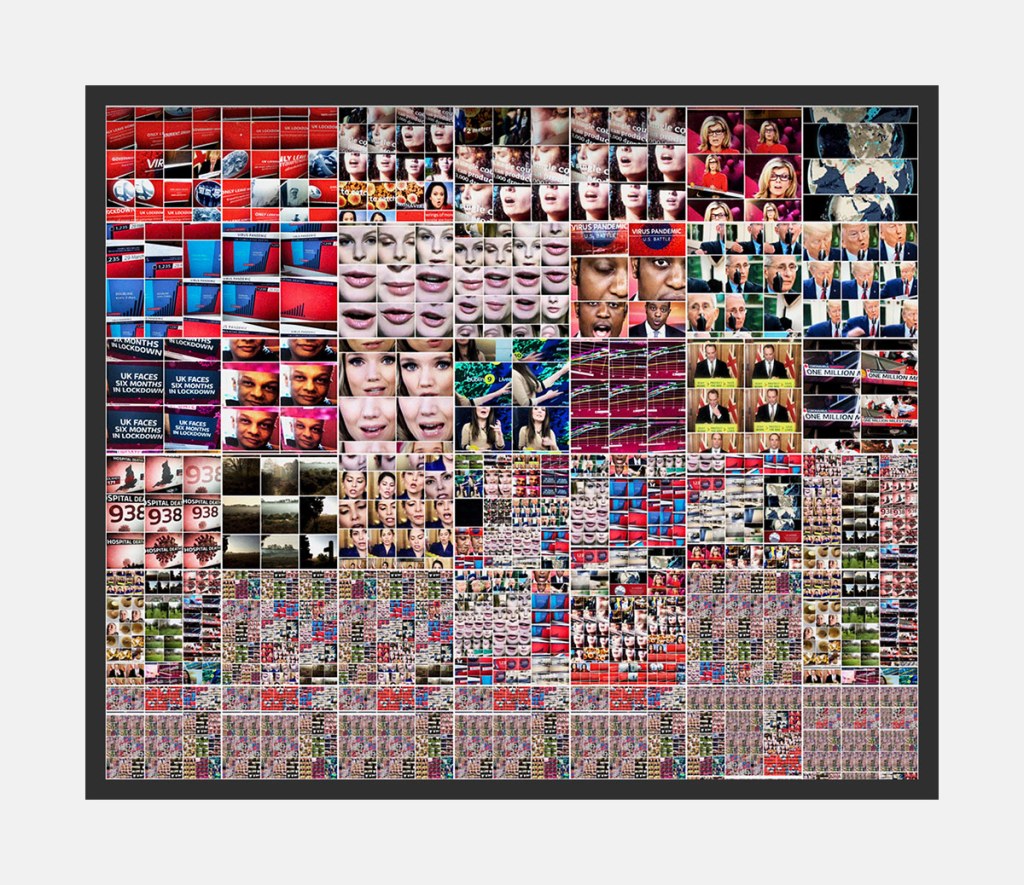
on my website in one of my projects called Corona Vision I have included a pictures of George Floyd as he was being murdered by the then 44-year-old Derek Chauvin, a serving white police officer with Minneapolis Police Department on May 25th 2020. Chauvin was convicted of his murder on April 20th 2021. George Floyd’s murder led to world wide protests against police brutality, racism and police accountability.
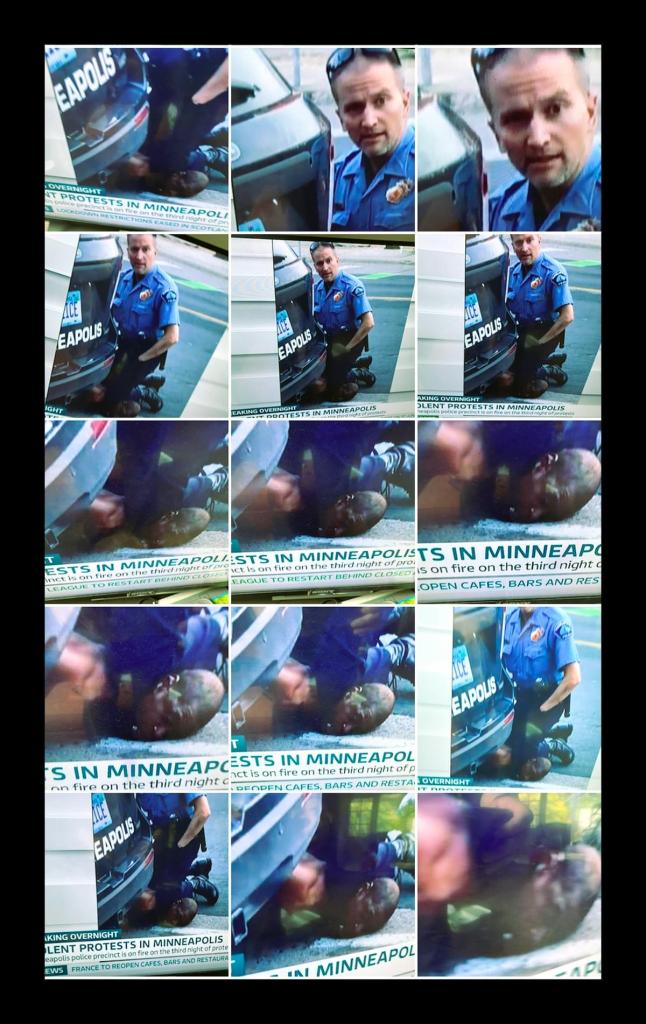
George Floyd Murdered in May 2020

here is the synopsis of the project

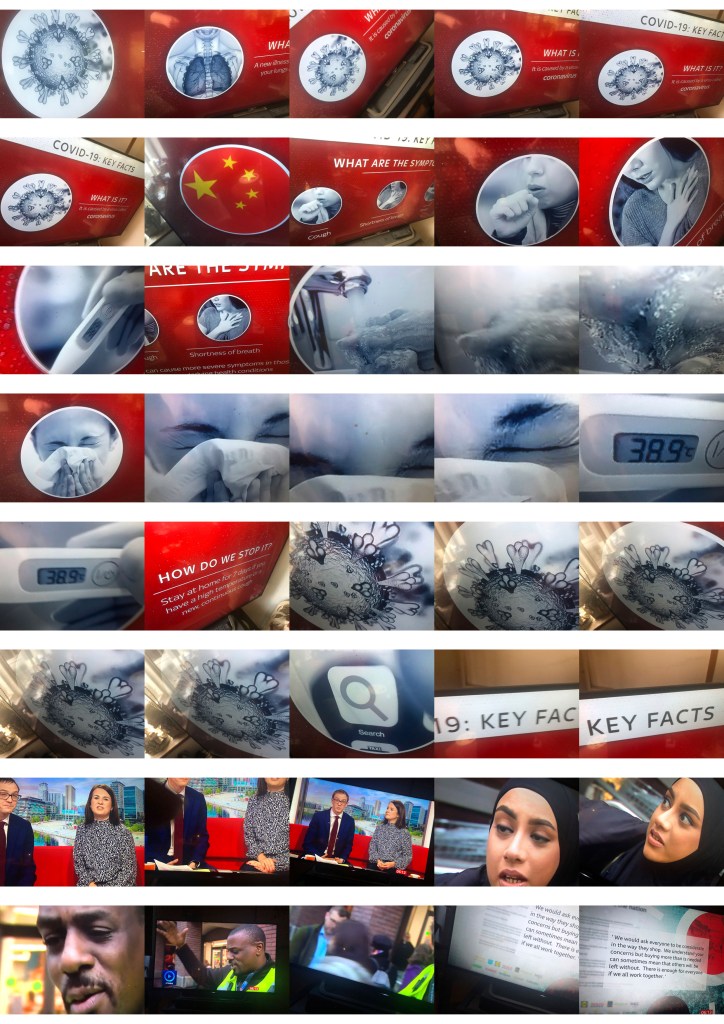
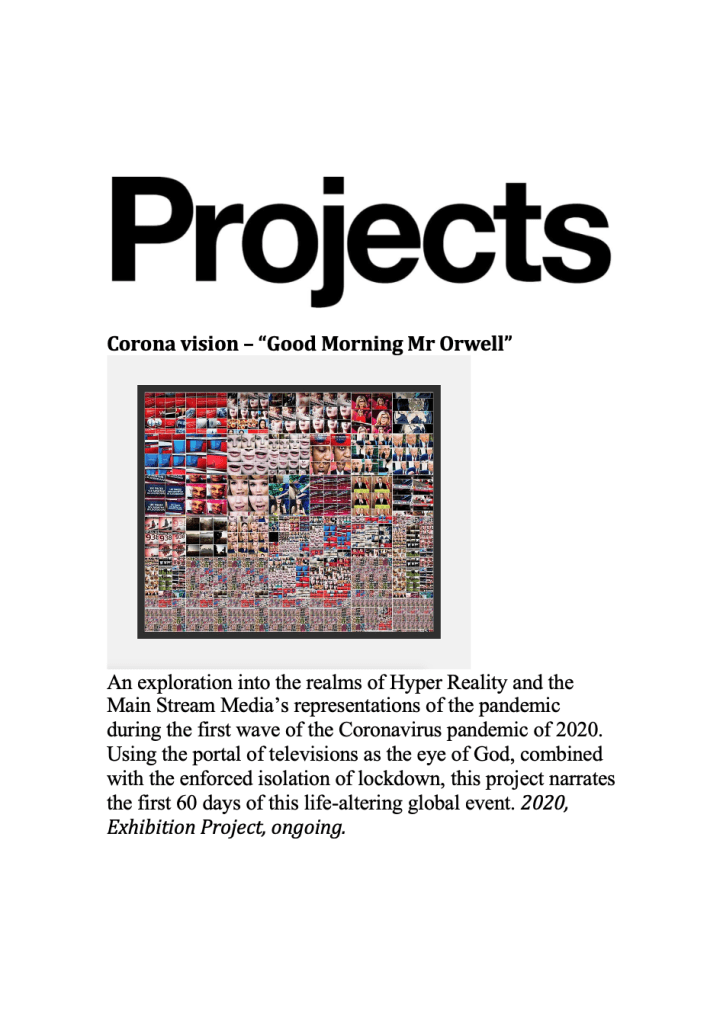
Corona vision – “Good Morning Mr Orwell”

An exploration into the realms of Hyper Reality and the main stream media’s representations of the pandemic during the first wave of the Coronavirus pandemic of 2020. Using the portal of televisions as the eye of God, combined with the enforced isolation of lockdown, this project narrates the first 60 days of this life-altering global event. 2020, Exhibition Project, ongoing.

I actually discussed the use of these images with someone at the university just to check my working practice and ethics around showing a dying person on my website. As discussed earlier my project is a comment and Narrative around a series of events that shaped the world in the first few months of the pandemic and how it was represented in the main stream media. my use of these images are not gratuitous or disrespectful, I believe by showing them in conjunction with the other two grids representing the protesting and rioting that resulted from the murder of George Floyd it gives context and shows respect. I also believe that my choice of images in my George Floyd grid clearly focus on the brutality of Chauvin, The George Floyd pictures in the grid are all deliberately quite blurry, but Chauvin is clearly represented. looking at it now I find it a very disturbing image and think it is quite powerful.

also my image is a comment on the over use of such images by the media at a time when people were trapped in their houses with only a television to keep them connected. My project looks at the effect these images had on peoples mental health during this time.
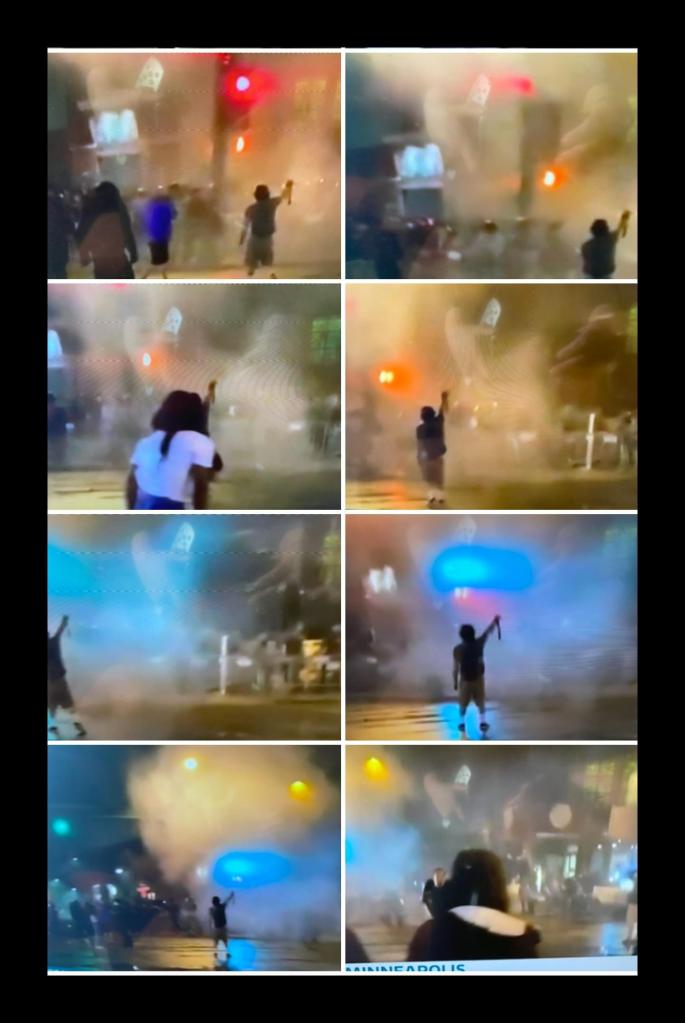
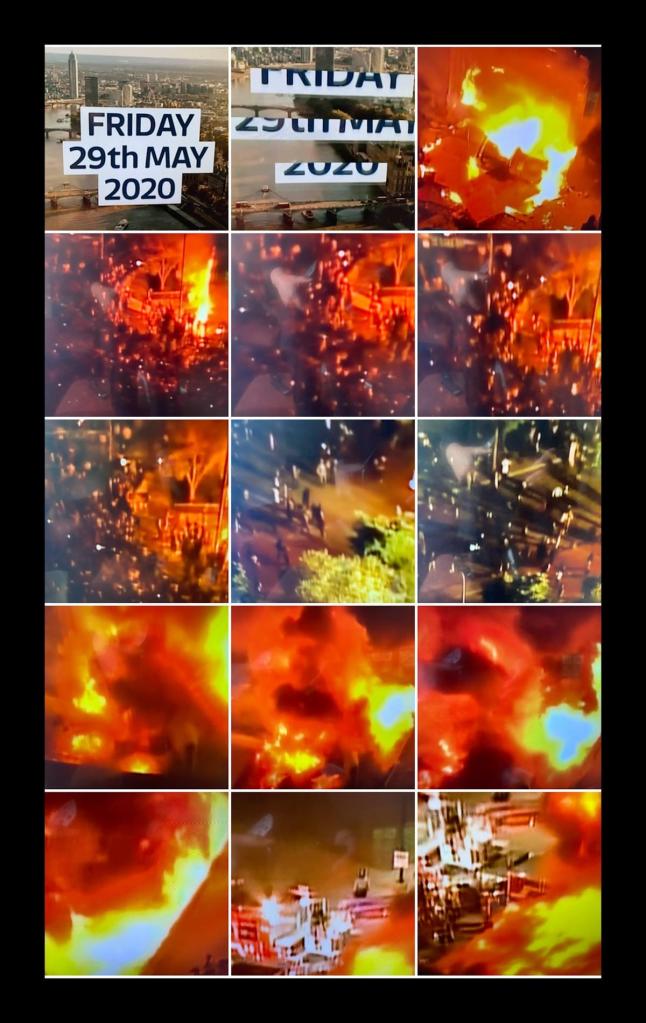
Black Lives Matter Protestors, Milwaukee
riots

CASE 3 & 4 – Appropriation

“Appropriation is the practice of artists taking already existing objects and using them, with little alteration, in their own works. The objects could be functional, everyday objects, or elements of other art pieces; commercial advertising material, newspaper cuttings or street debris” (the guardian)

https://www.theguardian.com/technology/2015/jul/18/instagram-artist-richard-prince-selfies
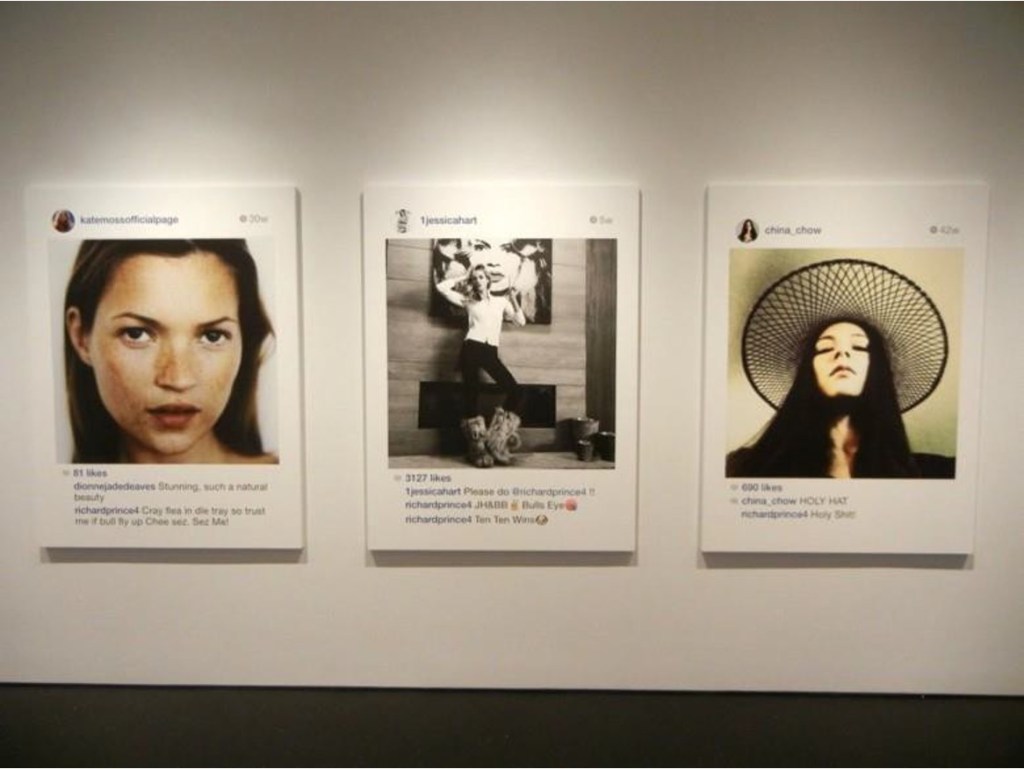
Richard Prince ‘instegram’

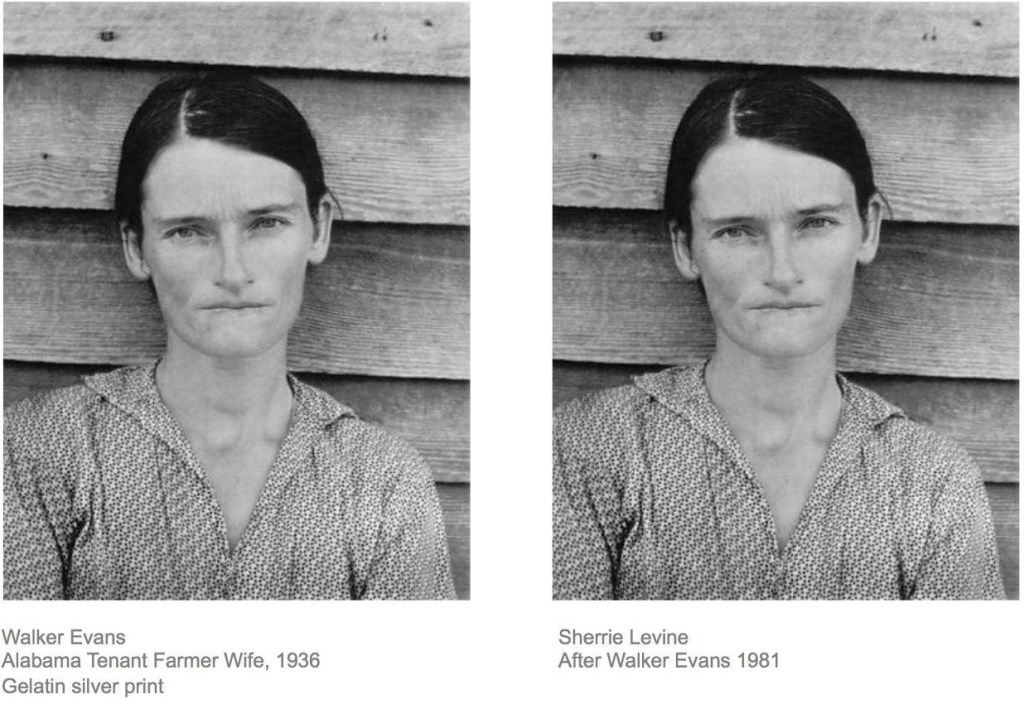
Both of these cases represent extensive legal battles around copy write law and ethics of Fair use. Both images are part of the development of “appropriation Art ” in the late 1970’s, a post modernist practice of what Prince describes as “rephotographs”. in both cases the artist has literally reproduced someone else work and called it their own. it is also conceptual art and the artist explanations for this practice is complicated.

with Sherrie Levine  she questions how images are culturally constructed and the effects of their dissemination . Levine’s work questions what exactly one is looking at and asks viewers to consider the reasons why we inherently trust values in art such as authenticity and originality. it is said Levine sees her work as more of a collaboration with previous artists, in copying and replicating the work of male artists Levine also levels a feminist critique against the ingrained patriarchy of art history and society at large. Lavine mentions the ideas of French theorists such as Roland Barthes who declared the “death of the author” and whose texts became important for postmodern theory.

Appropriated art can be traced back to Picasso and Marcel Duchamp ready made sculptures, but Levine and Prince took it to a whole new level and infringed on intellectual property rights and had accusations of plagiarism.

Lavine’s work raises issues around repetition and how we judge difference and authenticity, she has also said her work is about fetishism and particularly marxist commodity fetishism where we assign monetary value to symbolic objects.

Roland Barthes – Mythologies, 1957. in this book Barthes uses advertisements for soap, the image of a film star and other common objects to reveal that each carries a hidden message, a mythology, an invented persona, an ideological meaning which represents and endorses certain political and social ideas of how the world is and should be. Mythologies that makes us the consumer allow it to take up new meanings and new values. Barthes pioneered ideas about systems of signification operating with in culture. he alluded to both structuralism and post structuralism and his work ranged from semiotic theory to autobiographical and he wrote about the practice of writing and photography. Barthes is one of the most important theorists of culture of the twentieth century.

when looking at the work of Prince it is clear he is following in the path of Roland Barthes. his deconstruction of cultural imagery from advertising and socials media lays bear the codes and signifiers of commercial photography, their repetition and cliches. By reproducing advertising and social media in a gallery, Prince forces the viewer to confront their fiction. his images of cowboys or reproduction of the pages of Instagram exposes these false constructions and shows how dependent they are on the context in which they are represented. It is said he has crafted a technique of appropriation and provocation. Prince followed in the footsteps of Andy Whole and Pop Art, blurring the boundaries between fine art and advertising, he is said to have influenced Levine. his brazen and unapologetic manner is also said to have been an important model for the Young British Artists (YBA”s) of the 80’s and early 90’s, especially Damian Hirst.

Both Levine and Princes Appropriation techniques have solisited multiple law suits, with mixed results but their work has forced a legal and artistic reconsideration of the rights of reproduction and the ownership of images.

Prince’s use of appropriation has been particularly problematic. His “Canal Zone” series sparked a lawsuit when the French photographer, Patrick Cariou, sued Prince for the unlawful use of his original photographs. The case is influential, weighing artistic freedom and fair use guidelines against copyright protections. The rulings were mixed, initially supporting Cariou’s claim and then supporting Prince upon appeal. The case was finally settled in 2014, where 25 of the 30 paintings from he “Canal Zone” series did not violate Cariou’s copyright. there was an out of court settlement. Prince’s series, New Portraits (2014) pictures above is based on Instagram photos, this has also resulted in legal action by the original photographers and forever feeds the ethical dilemma of online privacy and ownership in the digital age. complicated when much of what we mean by the internet is about appropriation, recontextualising and simply copying.

“Round and round we go. Retweeting, regramming, reblogging, re-everything.”

My Work and Appropriation

I worked for many years as a VJ at underground partys. I was a video artist and thought nothing of plagiarising everything. it was before the Internet so all the footage was copied on VHS from the television, other VHS movies, animation and other people footage. I would collate and edit all the footage mix it all up and project it live at parties. all I cared about was the visual rhythm of movement in the light of the image and how I could fix it to the beats of the music. Disney was one of my favourites sources. dancing Winnie the poo and drunken pink elephants from Dumbos dream, a terrified Snow White running through the forest and the drama of Fantasia With the 1000 broom sticks…there was loads.

With this video art it wasn’t plagerisim because I was changing the image, either through visual mixing or through distortions it was being shown in a different context and to be honest I didn’t think twice about it.

when I worked in broadcast TV there was a rule with reproducing art work or graphics and that was that the image had to be about 60% different. As rule compliance was always followed and artists were always credited appropriately and fairly.

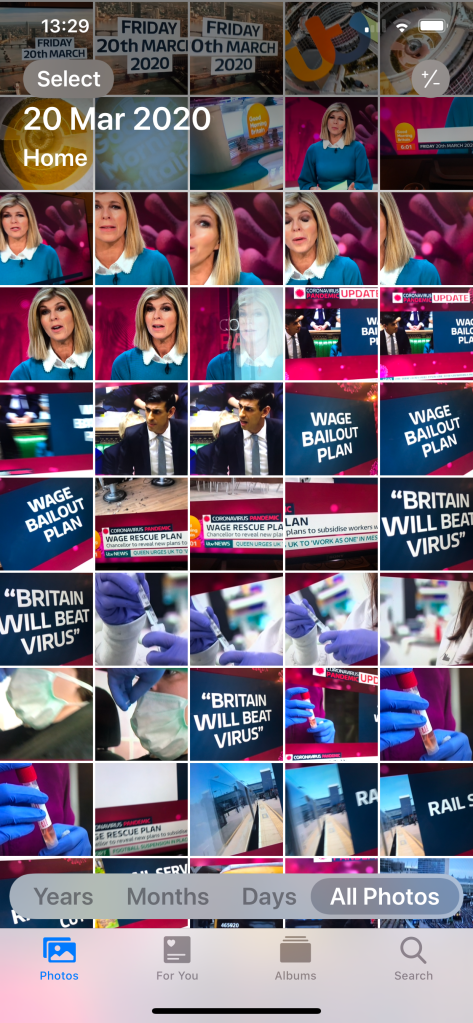
Recently I have used other people images in my corona vision project. here are some images.
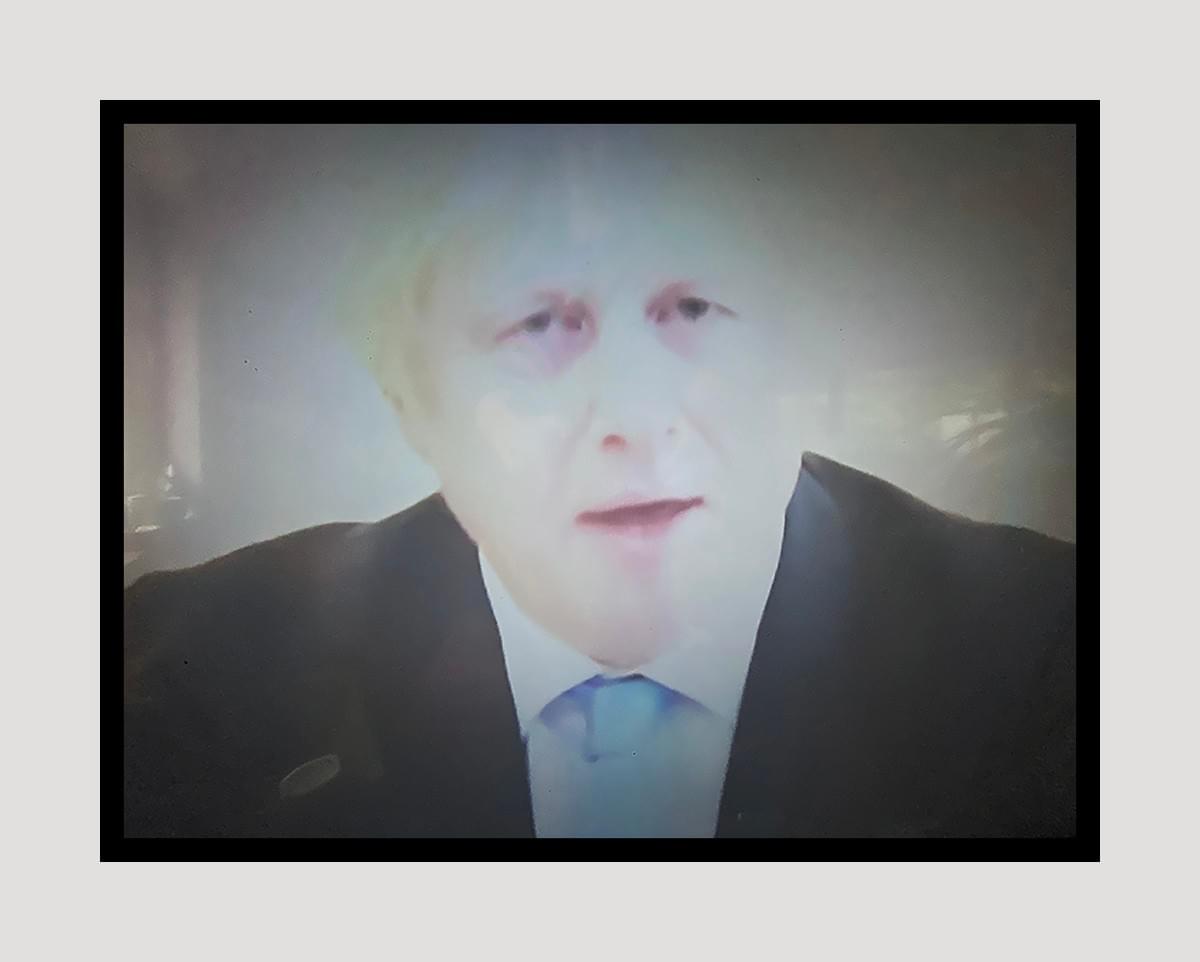
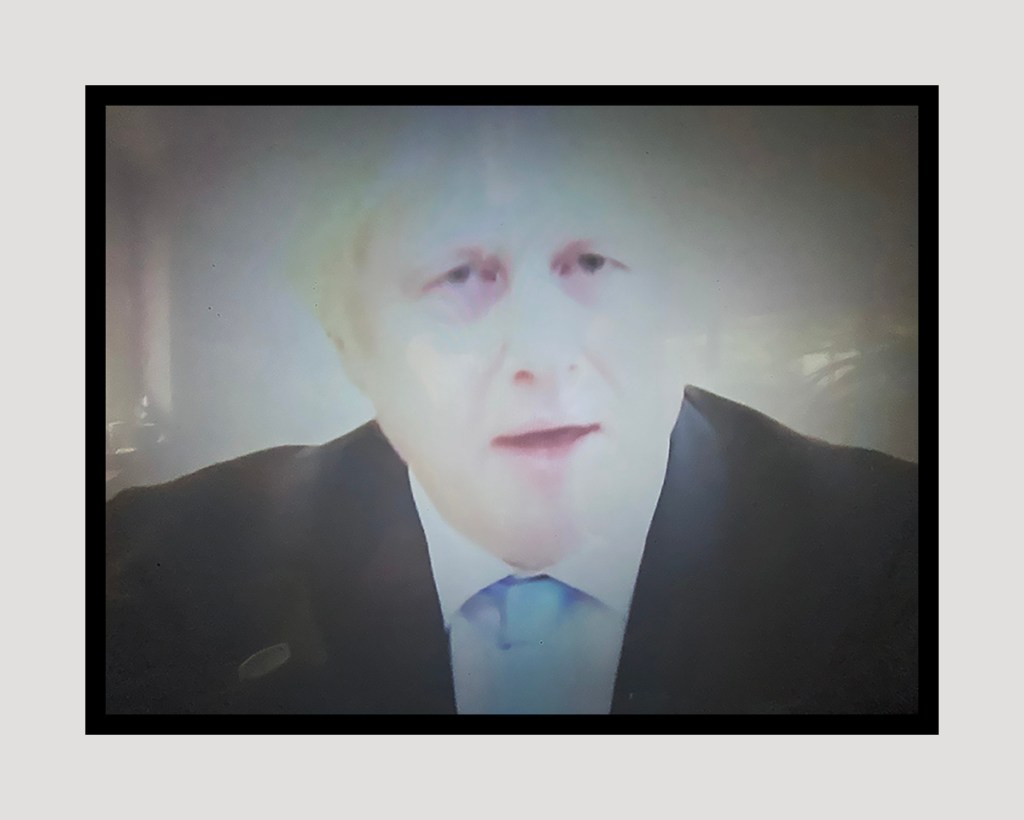
With Boris I have taken the image live from the television. someone else has used a film camera to record the original and it has already been broadcast by the BBC so they might say they own the image. but I have manipulated it by capturing it on my iPhone during broadcasts in my living room. you could almost argue that it was in the public domain when it was captured. also I have changed its appearance by a camera error and in photoshop. I believe it is my image, a menacing ghost of a man and part of my narrative.

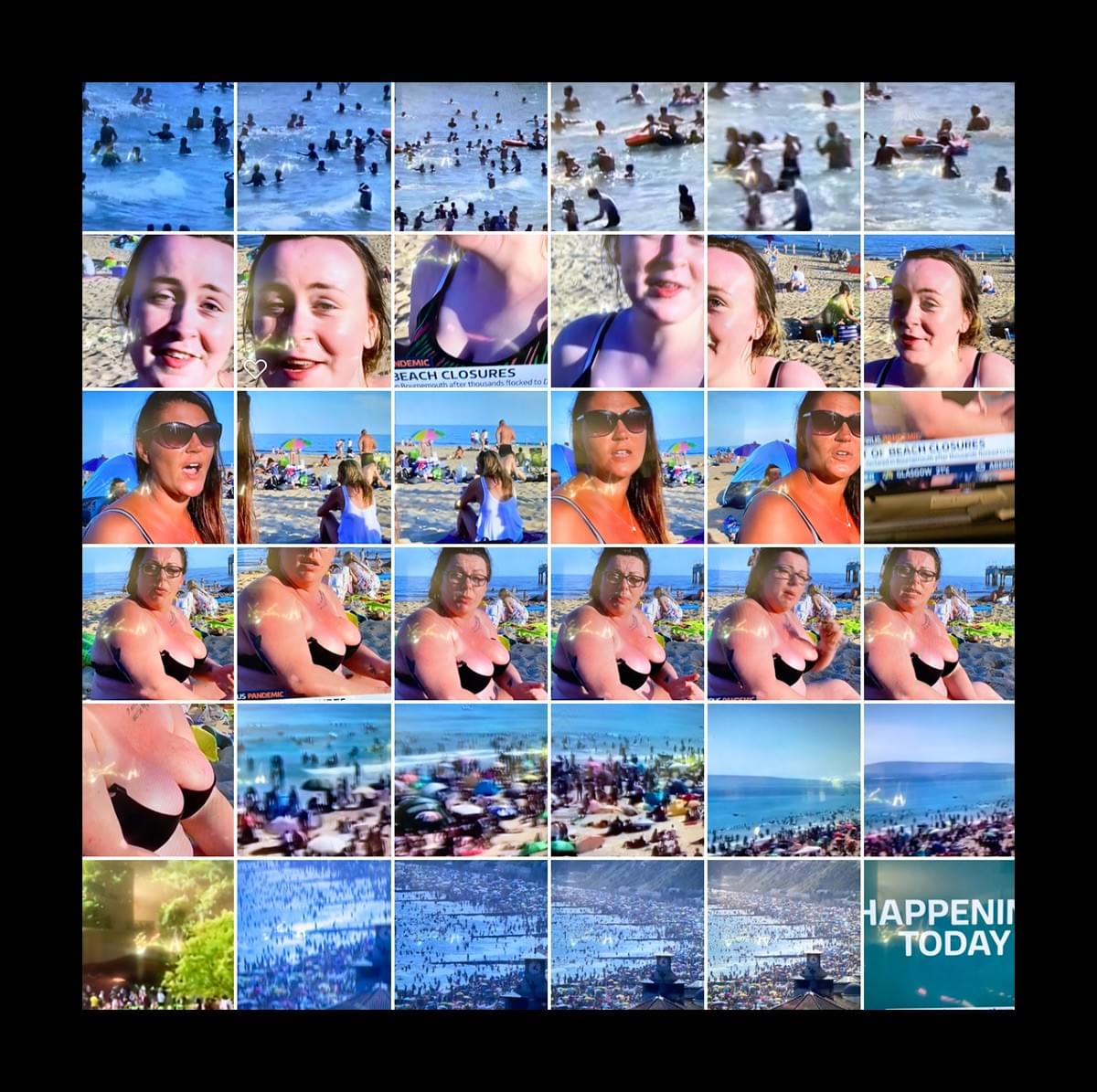
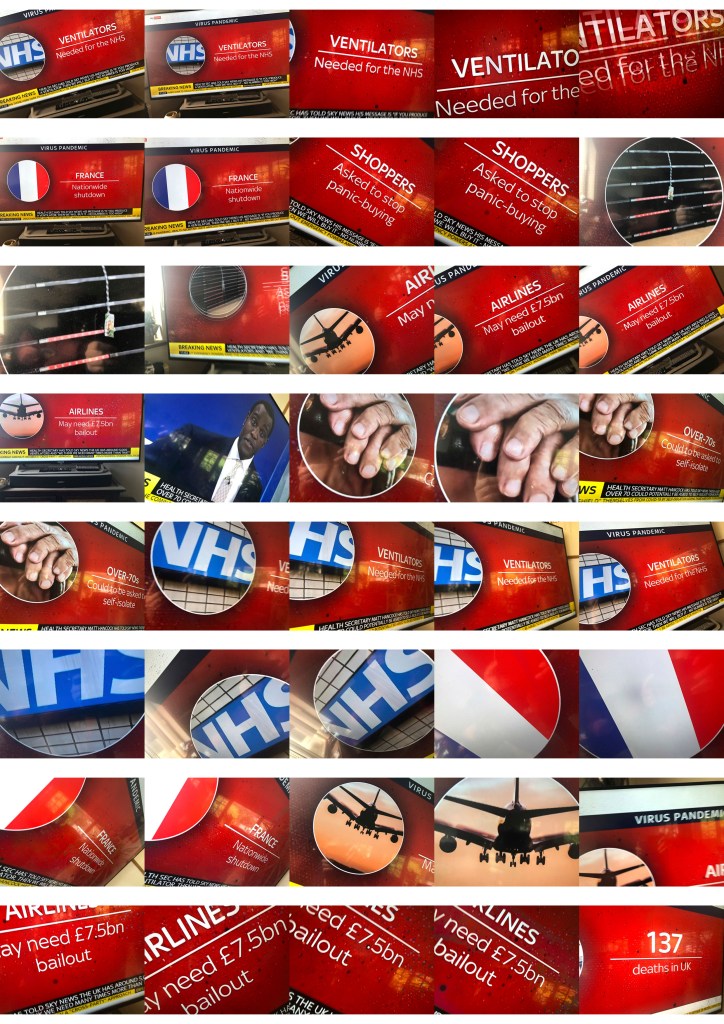
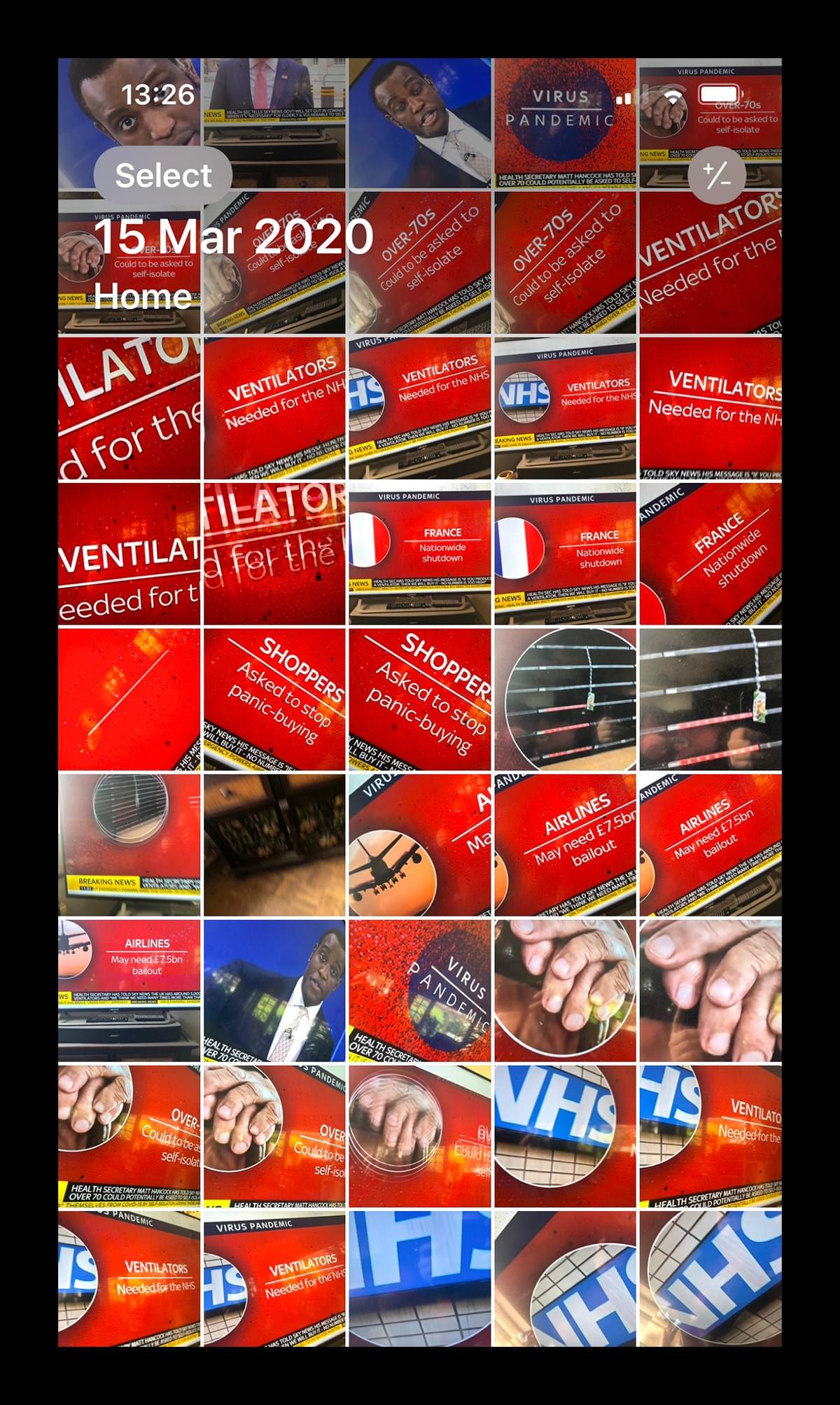
in the three images below, all taken from the television I have incorporated other peoples peoples graphics and faces. in the first image Self portrait it is a close up highly cropped still from a documentary about the artist Liechtenstein. Not only is it highly cropped but also has a reflection of my living room on the head. no question it is my image. In the ventilators image I have used massive crops of TV graphics, in this image I believe the creation of a grid and extreme cropping again creates an original image. in the final image “”super spreaders” the title is slightly derogatory towards the women on the beach. but it was true they were at Bournemouth beach that day at the beginning of the pandemic and ITV called them super spreaders. I would apply the laws around street photography here and that I could argue that it is art and it carries a message as part of a narrative.
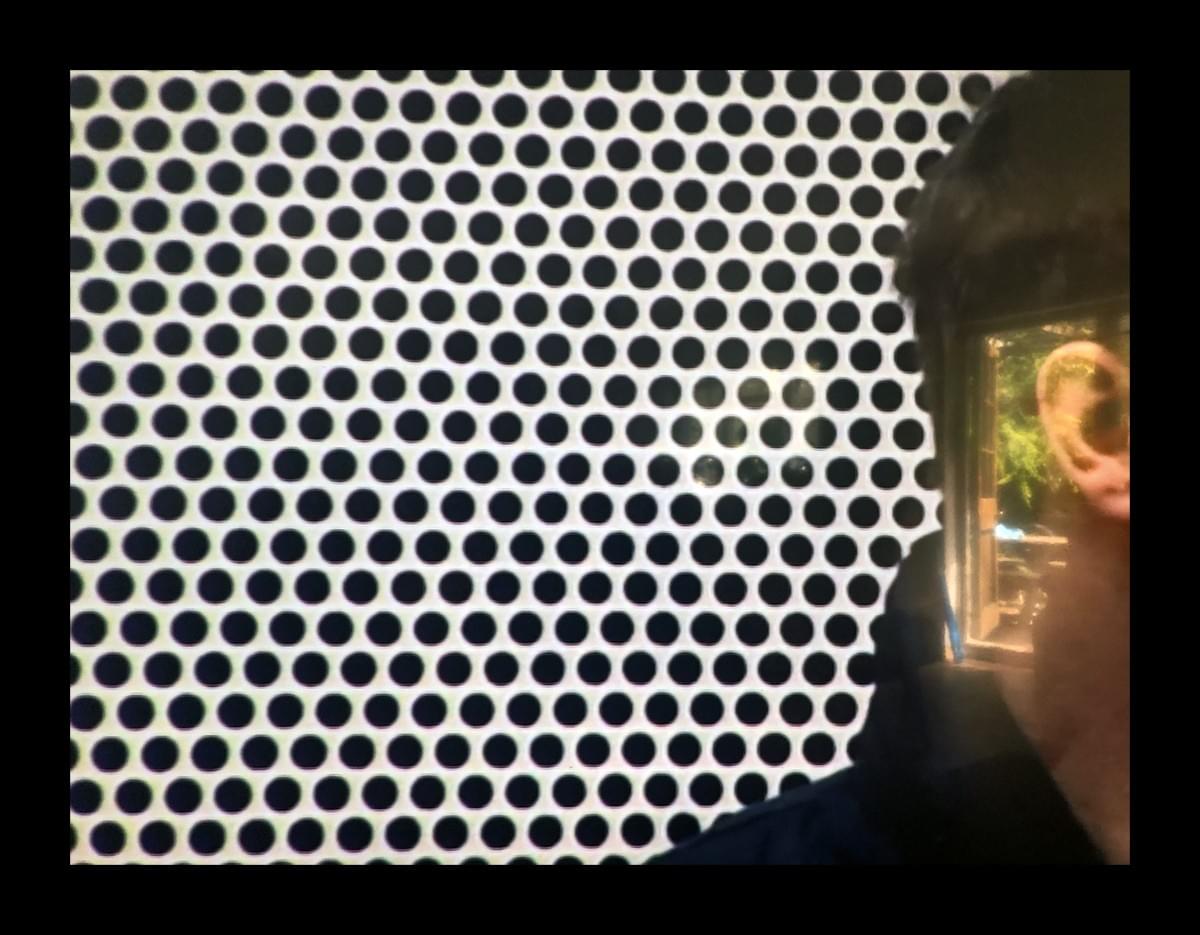
self portrait
ventilators
super spreaders

I think Appropriated Art and the work of Prince and Levine is amazing, I think it is art and I am happy for them to continue to present us with images that make us question the fundamental philosophical structure of our society and culture.

Function of Gallery and Art organisations

in November the amazing Stuart Tulloch came and gave a presentation about Gallery and art organisations in the uk. his talk was fascinating and I will summarise some of the major point made

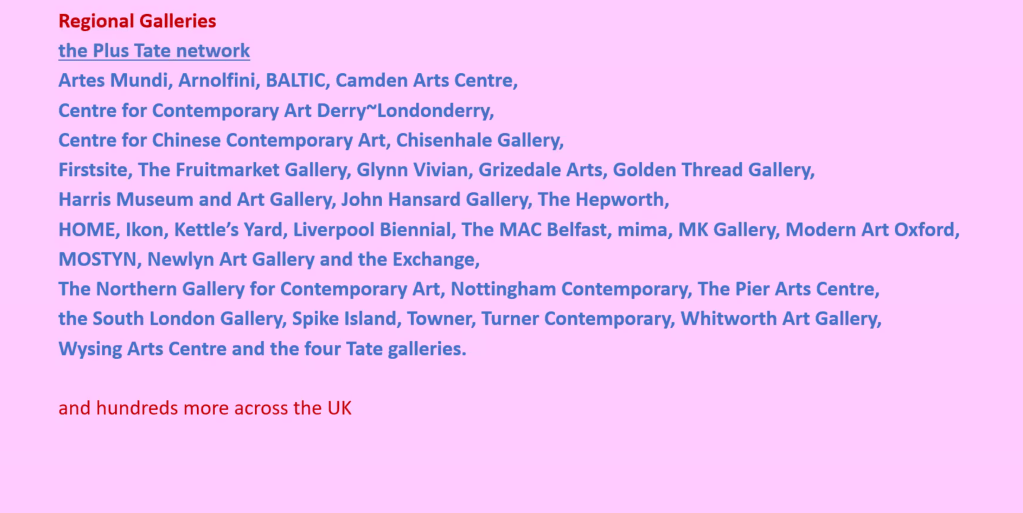
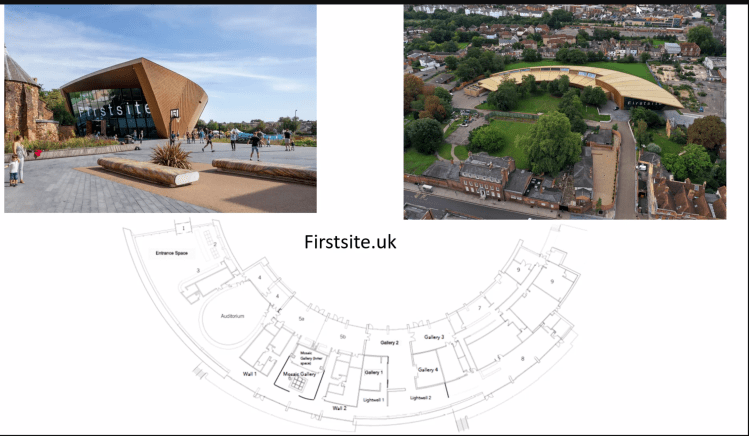
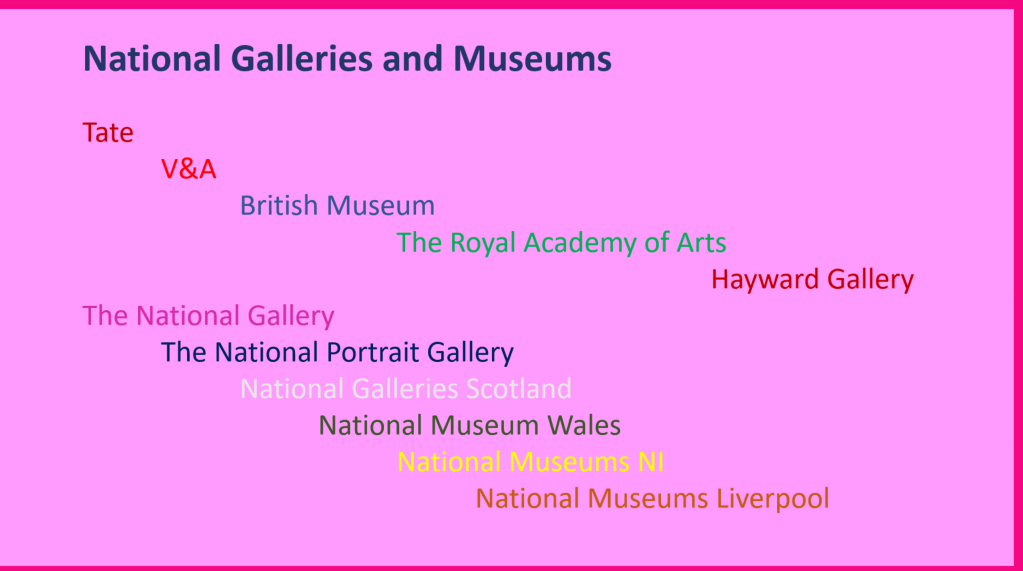
Stuart explained that there is a multi teared network of galleries in the UK, as his slides show there are the big national galleries like The Tate, V&A, British museum, National gallery and that many of these big galleries have network or off shoots across the county. the national gallery has several regional galleries like Liverpool, other nationals like Wales and Scotland and also Genra specific like The National Portrait gallery. Other organisations like the Tate has The Plus Tate Network with more regional Galleries like in St Ives or Liverpool. Across the country there are many more Regional galleries like those listed in the slide below. One of these Regional Galleries is First Site Gallery in Colchester.

One of the major funders of Arts in the UK is the National Lottery and Arts council finding and also funding from local councils and bodies like the NHS.

Tourism is a very important for the big national galleries but for the Regional Group it is about local authorities, the council and local NHS support.

Stuart explained that due to climate change galleries are looking closer to home for exhibitions and events. Also as they are funded by local councils their events are directly linked to the local community . Oh course the big galleries will still show huge world class international exhibitions and all galleries strongly support ethnic diversity, but more and more the regionals are looking at art in their own areas. reflecting their own communities.

Stuart explained that many galleries hold their own collections, the biggies in London have some of the best in the world. First Site doesn’t have its own collection

ETHICS OF ART FUNDING

Britains Colonial past has lead to many of the establishment national galleries holding art from all over the world. some would say much of this art was stolen from other counties. There is big controversies about many museums past associations with DIRTY MONEY, from modern day billionaire capitalists (philanthropists?) to old Slave trade Money. Some of the big Galleries are having to return works to their rightful owners and many are taking down statues celebrating slave traders and Britain tyrannical colonialist past.

Dirty money is a problem and the ethics of arts funding is hitting the news.. Recently The National Portrait Gallery become the first major art institution to give up a grant from the controversial Sackler Family, whose US pharmaceutical company Purdue Pharma LP makes the highly-addictive opioid prescription painkiller OxyContin.

it is a major blow to the Sackler family’s status as leading philanthropists. the campaign against them is being led by the photographer Nan Goldin whos work has portrayed first hand the nightmare of opiate addiction and the devastation pharmaceuticals like OyxContin is having across the world.  leading members of the Sackler family facing a growing number of lawsuits over their alleged role in the deadly US opiate crisis and finally national museums are realising they cannot be associated with these drug dealing tyrants.  Jess Worth, the co-director of campaigning organisation Culture Unstained, said: “The gallery’s decision to reject a donation from those that profited from the opioid crisis is a powerful acknowledgment that some sources of funding cross a red line.”

During the Pandemic Many galleries have had to restructure and rethink their position in our society. not only is Tourism, at home and internationally massively effected but other big protest movements like Black Lives Matter is having a direct effect of how galleries operate.

There is huge money in art and as a result there is a flourishing number of commercial galleries across the country.

Art is big business, and there is are commercial gallerys for every genre across the country. these are owned by private stakeholders and investors. Private galleries will often have their own Roster of Artists that they support and who’s work they sell.. Cork street in the West End of London is a gallery hotspot. If you go to the annual Photo London exhibit you will see hundreds of galleries from around the world supporting and selling the work of many incredible artists.

Art is no longer lead by academics it has become commodity and investment. the big auction houses in London sell works of art at astronomical prices. Some artist are global super stars, thier work will sell for millions.

MUSEUM OF THE YEAR

First site was built 10 years ago by the architect Raphiel Grenoble. it is a spectacular building. First Site won the museum of the year !!! by the art fund. its a very prestigious award and galleries like the V&A and Science Museum have won it before.

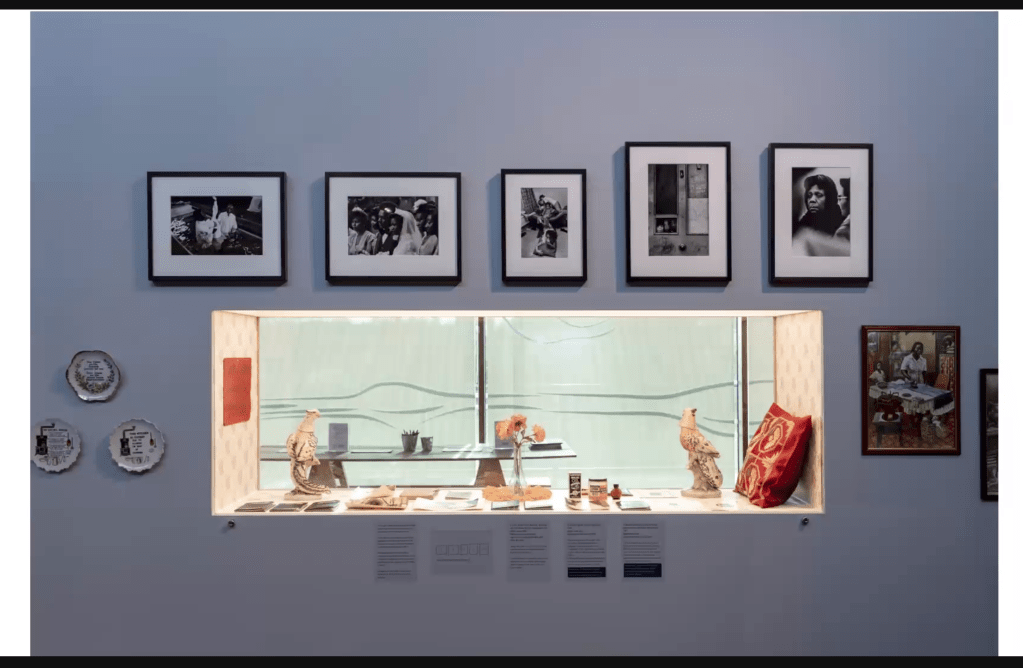
Stuart believes that their success is a recognition of how they are working more locally. recent exhibit include work with refugees and local community groups.

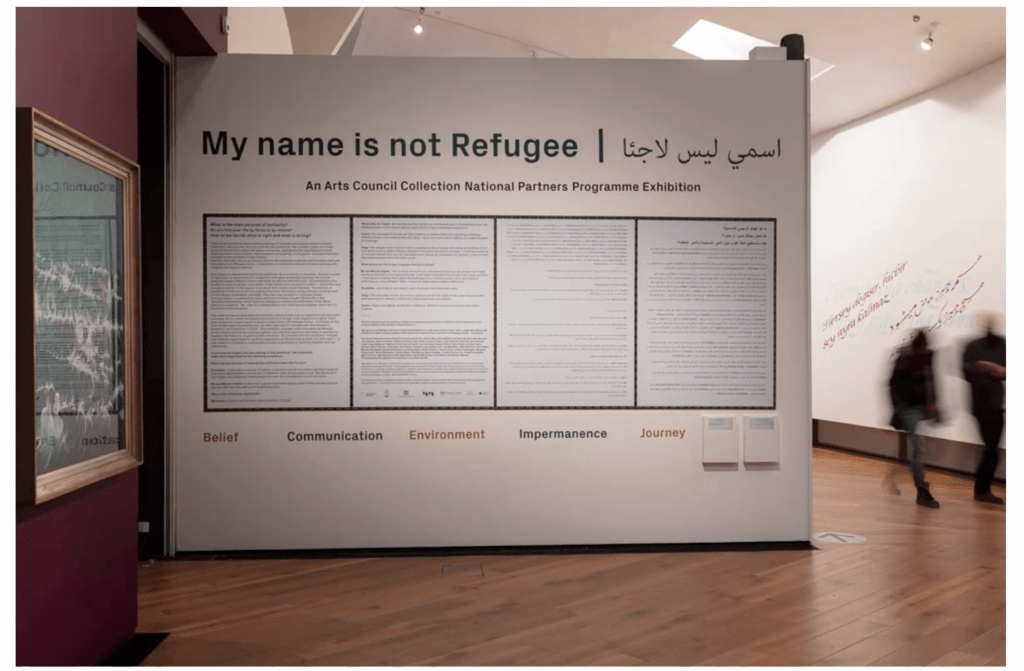
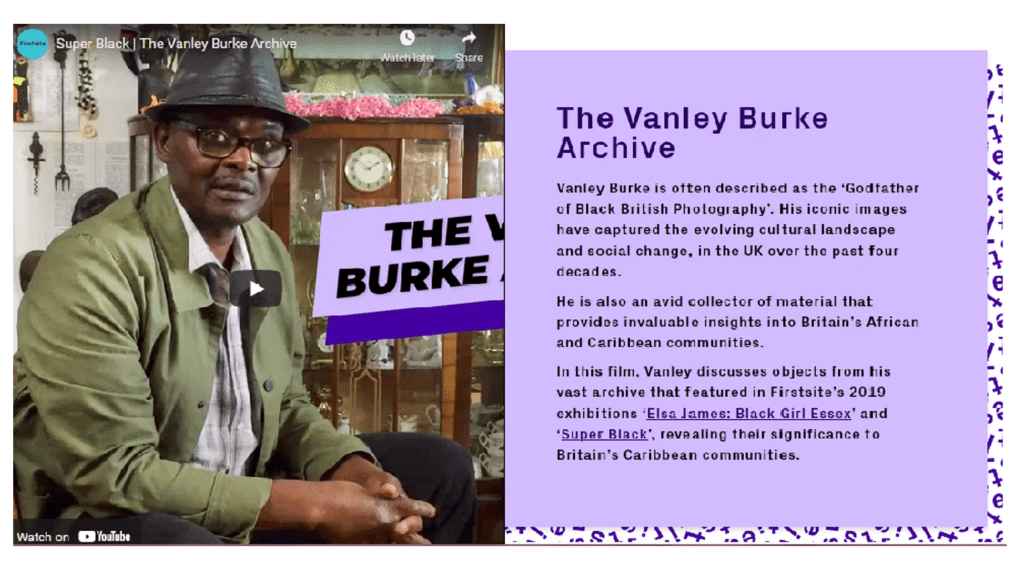
refugee action was a recent event where they asked refugees to choose a piece of Art which represents thier journeys in the UK. Another Exhibit called ‘Super Black” celebrated being black in Essex.

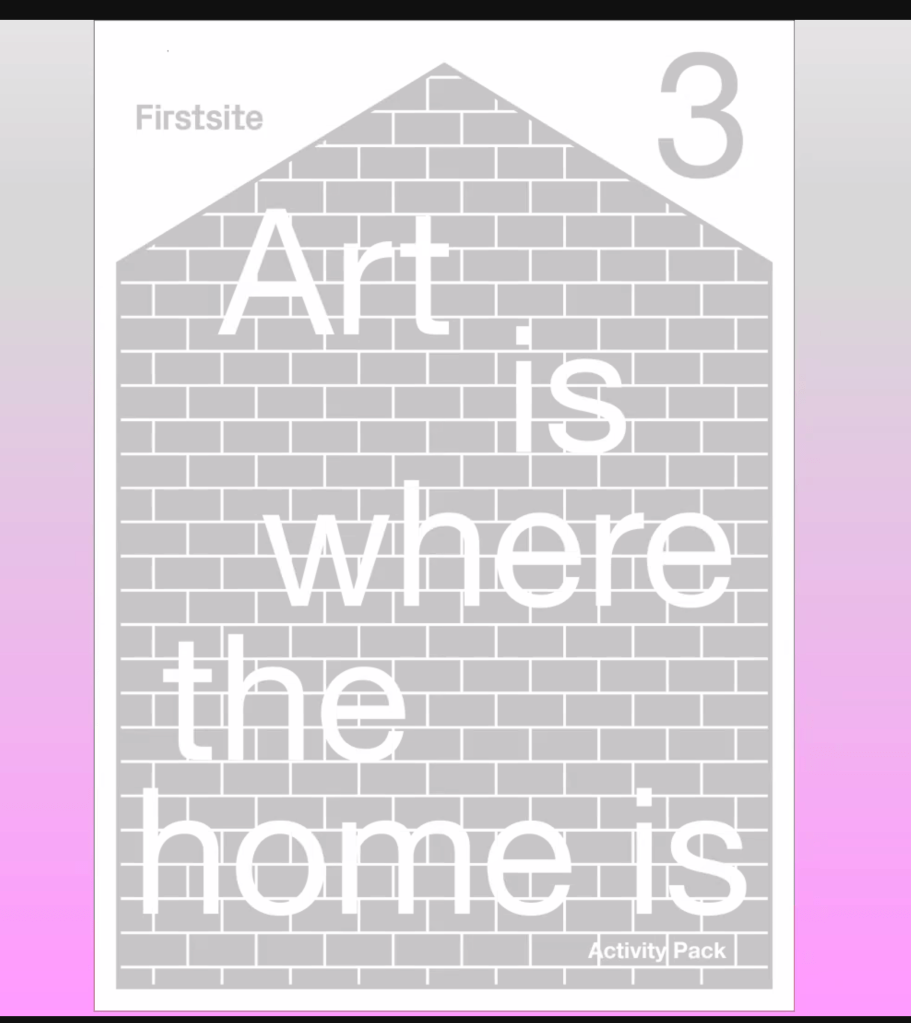
Stuart also believes that another reason for thier success has been their response to the pandemic. due to lockdown we went online and and started several community based interactive projects. Jamaican food and a ‘Art is where the home is’ were really successful and had good online response

lots of online work and interactive community projects, some of the posters are shown below.

WORKING IN GALLERIES

Stuart talked about career opportunities in the sector. From Curators to Administrators there are many opportunities. as with most of the creative industries a way in is through volunteering, (sadly often prohibitive to low income individuals who actually have to earn Money to survive). there are also academic courses like MA in curating at Norwich school of art.

I also asked Stuart the biog question. If I was going to be an artist how would I go about trying to get an exhibition in a gallery?!

He explained that First site doesn’t actually do many Artist specific exhibitions and I know that you need to be well established to be considered by most galleries. but he did suggest doing some local group exhibitions and also not be afraid to send in a proposal. he asked a good question which was that I should be clear as to why and what I wanted to exhibit. it sound simple.

Thinking personally and around the funding provided to gallery by then NHS I think if I was going to ask for an exhibition it would be about mental health and its purpose would be to encourage honest discussion around how people live and deal with mental health. I would be very interested in setting up some Photo therapy exhibitions where I could show my photo therapy work around addiction and ADHD and encourage the views to participate as well. looking ar how creativity is often a stabilising force and path to well being.

I found the talk really interesting and Stuart was so so dynamic and inspiring. It has defiantly made me want to get more involved with my local galleries.

professional practice- finding work

for part 3 of the assessment I have investigated a few lines of future professional work. I had a look at working in a professional photo lab like Peak Imaging in Sheffield. I spoke to peak and Lawrence about the career path in this sector. My main focus is on continuing my education. I have done extensive research about doing and getting funding for an MA/MFA. I have also looked at jobs available in publishing, I actually looked for vacancies and assessed how they might work for me. I have also included a small section on working as a freelance photographer producing websites and food photography for a hospitality business.

WORKING IN A PROFESSIONAL PHOTOGRAPHIC LAB

I am intersted in looking at duifferent kinds of printing and maybe working in a professional lab

I spoke to Lawrence and we started work in a photographic lab in Colchester in the 1980’s. they are all closed now. it was the thatcher years and all aprentaships had been abolished so he started as a kind of trainee and then worked his way up. This was pre digital and in fact he used some of the very first digital printers. At that time Lawrence would probable of been using processing machines like we use in the dark rooms.

I have been using a lab called Peak Imaging which is based in Sheffield which is good because they have soft water so cleaner negatives. They don’t do any analogy printing any more but do develop film. I asked weather they had anty apprenticeships available of ever employed trainees. the woman explained that they only have 9 members of staff and their newest member of staff started 15 years ago somer have been there for 30 they are like a family and are very happy. it must be a really nice to work as no one ever leaves. she did say that if the pandemic wasn’t happening they would occasionally have people for work experience.

I asked about the structure of the company and she said there were different heads of department overseeing Film processing, Head of scanning, digital, mounting , framing and printing. there was also a graphics department, light books. For professional photographers Lee or Simon would happily give a personal service tailored to the needs of each image. they use Fuji Frontier and Durst digital printers.

realistically I don’t think I actually want to go and work in a photo lab as a long term career am not sure I am young enough to build up a skill set in that industry. I am still interested in printing and Art Photography and would like to pursue my ambition to continue studying for an MA or MFA. and MFA has 60 extra credits.

DOING A MASTERS DEGREE

the first question is HOW DO I GET FUNDING ?? funding for postgraduate

It is possible to get another student loan from the government to complete a masters according to the Govt website to Toal loans available are below and this is the total amount to pay tuition fees and maintenance.

  • £11,222 if your course starts on or after 1 August 2020
  • £10,906 if your course started between 1 August 2019 and 31 July 2020
  • £10,609 if your course started between 1 August 2018 and 31 July 2019

Depending on where you studied this would probable only cover your basic living expenses, and more if you were in London

the average cost of tuition fees are about 4000 to 8000

OTHER FUNDING OPTIONS

RESEARCH COUNCILS.

For postgraduates, the best place to start is with an appropriate research council such as the Arts and Humanities Research Council (AHRC). Problem is, money’s limited and the chances of actually getting funding from research councils are fading by the day. Not only are research councils incredibly competitive, the application process which is carried out through the university, is painfully lengthy so it’s wise not to pin all your hopes on winning funding from one of these guys. That being said, research councils do fund a large number of UK students.

University Bursaries and Studentships

Most universities will have a range of bursaries and studentship awards available for their postgraduate students. Some may cover the costs of your tuition fees and living, others will be set amounts such as £1,000. These awards however are limited, as they are usually funded through donation or special schemes.

The university of arts UAL has 150 £5000 scholarships for students available to.

Another fantastic resource worth investigating is PostgraduateStudentships.co.uk. Their site is dedicated to bringing together all the different funding opportunities open to postgraduates, at both taught and research level, across the UK.

CHARITABLE TRUSTS.

there is quite a few and lots of research is needed . I looked zt the Welcome trust but their funding for education is more science and health based, but they do run very interesting competitions about photography and mental health.

FUNDING THE FUTURE FOR WOMEN

Funding For Women Graduaters is another charitable trust. ​ ‘The advancement of education and promotion of higher education and wider learning of women graduates’

I am not going to investigate this further as I would like to be self funded or get a loan and leave scolourship or charitable nurseries available for other people to use.

Where to study an MA or MFA

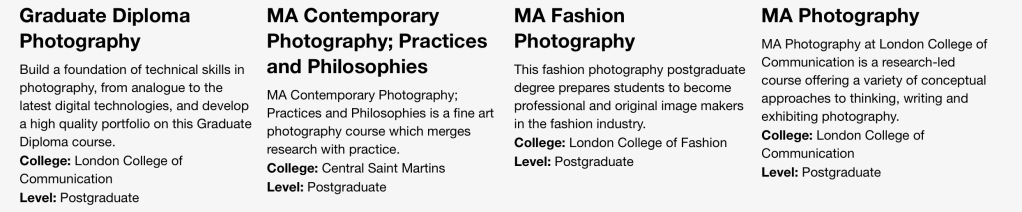
MA Photography at London College of Communication offers a variety of conceptual approaches to thinking, writing and exhibiting photography. As a research-led course, it equips students for a wider inquiry into the interdisciplinary aspects of the photographic medium by developing a single exhibition project over the 15-months duration of the course.

EXAMPLE CARRER PATH OF OTHER ARTISTS

The artist Anthony Cairrns describes his time at the London college of printing

Anastasia Taylor-Lind is an English/Swedish photojournalist who works for leading editorial publications all over the world on issues relating to women, population and war.

She is a 2016 Harvard Nieman Fellow and spent a year at the university researchng war, and how we tell stories about modern conflict. Anastasia is also a TED fellow and a 2017 non-fiction Logan Fellow at The Carey Institute for Global Good.

As a photographic storyteller, her focus has been on long-form narrative reportage for monthly magazines. She is a National Geographic Magazine contributor, and also works for TIME, Vanity Fair, The New Yorker, The New York Times, The Sunday Times, The Telegraph and The Guardian. Commercial clients include DOVE, Wellesley College, P&G, and Always.

Her first book MAIDAN – Portraits from the Black Square, which documents the 2014 Ukrainian uprising in Kiev, was published by GOST books the same year.

Anastasia’s  work has been exhibited internationally, in spaces such as The Saatchi Gallery, The Frontline Club, and The National Portrait Gallery in London, SIDE gallery in Newcastle, Fotografiska and Fovea Exhibitions in New York, Pikto Gallery in Toronto and The New Mexico Museum of Modern Art in Santa Fe.

A wide variety of organizations have recognized and supported her projects through awards such as the POYi, Sony World Photography Awards, Royal Photographic Society Bursaries and the FNAC Grant at Visa Pour L’Image.

Anastasia has degrees in Documentary Photography from the University of Wales Newport (BA) and the London College of Communication (MA)

 University for the Creative Arts.  Falmouth .With internationally-recognised and award-winning teaching staff, this rare two-year MFA Photography course gives you a unique opportunity to become true experts in the field of photography. 

Led by award-winning photographer Anna Fox and supported by an exceptional team – including award-winning photographer Karen Knorr, photographer and video artist Ori Gersht, Professorial Fellow Sunil Gupta and talented sessional staff – you will be given the tools, the freedom and the time to hone your skills and find your professional place within the industry.  Paul Seawright You’ll have more time to explore your craft and creative ideas, as well as investigating what you will do in your professional career, whether that’s practical, theoretical or a mix of the two. 

FAMOUS MASTERS COURSES

The Paris college of arts is an excellent college.

Yale school of arts – MFA Photography

PHOTOGRAPHY (MFA) YALE

Program overview

Photography is a two-year program of study admitting ten students a year. Darkroom, studio, and computer facilities are provided. Students receive technical instruction in black-and-white and color photography as well as nonsilver processes and digital image production.

The program is committed to a broad definition of photography as a lens-based medium open to a variety of expressive means. Students work both individually and in groups with faculty and visiting artists. In addition, a critique panel composed of faculty and other artists or critics meets weekly, as well as for a final review each term, to discuss student work.

Rhode Island school of art

Graduate students in the program develop visual and critical expertise through course work, seminars, independent studio work and critiques designed to provide a deep understanding of contemporary art practices and criticism. Working in personal studios, students have access to state-of-the-art technical facilities that allow for the exploration of film-based and digital photography, digital video and multimedia production.

MFA candidates achieve a high level of technical mastery and create a coherent body of visual work representing a sustained and sophisticated investigation of ideas. They are also expected to write and speak about their work with an advanced level of fluency and to frame their practice in historical and critical contexts.

THE BIG LONDON COURSES, THE MOST FAMOUS AND PRESTIGIOUS

the royal college of art

what I like about this is that you get given complete freedom and a space/studio to work from. obviously the tutors look amazing

An expanded and interdisciplinary art practice with no fixed identity.

The Photography programme provides an environment where you can develop as an artist with photography at the core of your practice. We offer a platform where students can articulate ideas through making work and can reflect critically upon what they have made.

University of Westminster = Ma photography.

this course is very prestigious.  photographic education at the University of Westminster has a unique depth of tradition. Classes in photography were taught at the Polytechnic Institution, the forerunner of our University, from 1852, and the School of Photography was established in 1883

Photography BA course is a long-established course with an excellent international reputation for its academic and practical teaching. This reputation is reflected in high application rates, a distinguished record of graduate employment in the industries it serves, and in the publication, production and teaching profile of its staff and graduates.

the course is renowned for its distinctive philosophy, which aims to provide a holistic photographic education. It combines high levels of technical and visual photographic skills with excellent visual literacy and a critical awareness of visual culture alongside solid professional practice.

LONDON COLLEGE OF COMMUNICATION, UAL

MA PHOTOGRAPHY

I have to say this cause looks brilliant. the teaching staff are inspirational.

MA Photography at London College of Communication offers a variety of conceptual approaches to thinking, writing and exhibiting photography. As a research-led course, it equips students for a wider inquiry into the interdisciplinary aspects of the photographic medium by developing a single exhibition project over the 15-months duration of the course.

The Media School offers a longstanding tradition of photography education with a highly regarded artistic research culture, and the course has close ties with the Photography and the Archive Research Centre and The Stanley Kubrick Archive, both based at London College of Communication.

I would love to go to any of the three above courses. I will start thinking about my application now. not feeling very confident to be honest. just need to focus of finishing this course first !

Norwich school of art

MA Photography I could do this part time from my house in Suffolk

Although I shouldn’t be lead by geography but realistically this school is near to my house so would be manageable as a commute.

Course length: Full-time 1 year, Part-time 2 years

All courses starting in September 2020 will run as a blend of on-campus and digital teaching and learning and will follow UK government safety advice. We may need to adjust course delivery if advice changes. We will notify applicants and students of any changes directly.​

Innovation of your practice and the development of critically-informed perspectives are the guiding principles of our MA Photography Masters degree course.

State-of-the-art studios and digital darkrooms will give you freedom to develop a distinctive authorial voice through advanced study of photographic practice.

Norwich school of art – Theory and practice

While our postgraduate photography course is practice-led, taught components consider contextual and theoretical aspects of photography. From collaboration, aesthetic/anti-aesthetic and technological determinism, to the impact of emerging technologies, you’ll tackle a wide range of topics related to your practice.

Art communities

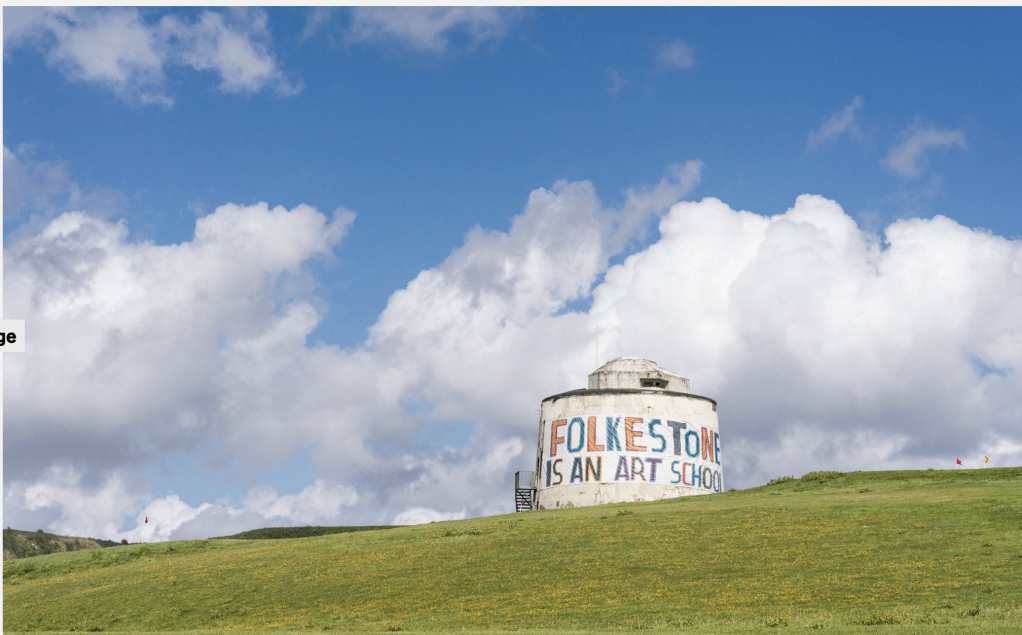
my dilemma also is that I do not want to go into a metropolitan/urban city to study. so need to work on that ! there is an exodus from London to places like Folkstone in Kent , or Hendon bridge in Yorkshire. of course colchester has the fist sight gallery and an art school but they don’t do MA’s.

My dream

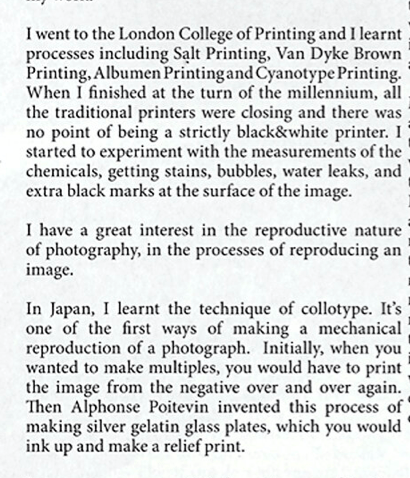
I would like to win the Hariban award. it is an photographic competition run by a Japanese company called Benrido who run a collotype printing academy. the prize is spending 2 weeks in Keyoto with the master printers printing your photographs using this incredible traditional method. it uses glass plates and pigment inks and produces prints of incredible detail. ome of my hero’s Awoiska van Der Molen won the award in 2015 and her work is amazing. her latest book called The living Montain is incredible!

Having done this research I feel incredibly inadequate and don’t believe I have a chance in hell of getting on to any of these programmes !! but I am going to try and actually nice I wrote this last year I do feel more confident.. I defiantly feel more passionate about my practice and feel I am just getting to grips with understanding the basic language of photography and want to explore this further.

additional research –

Peak imaging Imaging Q and A

sRGB is the most common colour space for photographic printers and therefore working with a larger colour space does not offer any advantage and often can lead to producing a inferior print.

8-Bit or 16-Bit?

From a purely theoretical standpoint editing in 16-bit space is better than 8-bit space. A higher bit depth means you have finer steps to adjust, however, from a practical standpoint, there is no difference. This is due to the fact that photographic and commercial printing equipment is calibrated and optimized for 8-bits per channel.

Will I lose quality by sending a JPEG over a Tiff?

The JPEG compression format is a very efficient, lossy image compression algorithm designed specifically for saving photographic images. It takes advantage of how humans see colour versus brightness to only save information needed to reproduce the image for people to view. Image data is lost during compression, but at high levels of quality you will not see a difference between a JPEG and a TIFF printed to photographic paper. JPEG compression is perfect for sending files to the lab.

How should I set up my working environment?

Your work environment influences how you see colour on your monitor and on printed output. For best results you should:-

View your documents in an environment that provides a consistent light level and colour temperature. For example, the colour characteristics of sunlight change throughout the day and affect the way colours appear on your screen.
The amount of lighting is important as well. You should create an environment that is neither too dark, nor too bright. Rather, work in an environment that would be comfortable for reading a book.

View your document in a room with neutral decor. A room’s colour can affect the perception of both monitor and printed material. The best colour for a viewing room is neutral gray.

Remove colourful background patterns on your monitor desktop. Busy or bright patterns surrounding a document interfere with accurate colour perception. Set your desktop to display neutral gray’s only.

What are the differences between the Rendering Intents?

Perceptual (recommended)

Perceptual rendering is intended to preserve the visual relationship between colours so that they are perceived to be as natural to the human eye as possible, even though the colour values themselves may change.

Relative Colorimetric

Relative Colorimetric rendering compares the extreme highlights of the source colour space to that of the destination colour space and shifts all colours accordingly.

Saturation

Saturation rendering is intended to produce vivid colours in an image at the expense of colour accuracy.

Absolute Colorimetric

Absolute Colorimetric intent will leave the colours that fall inside the destination gamut unchanged, whereas the out-of- gamut colours are removed.

Looking for jobs in publishing

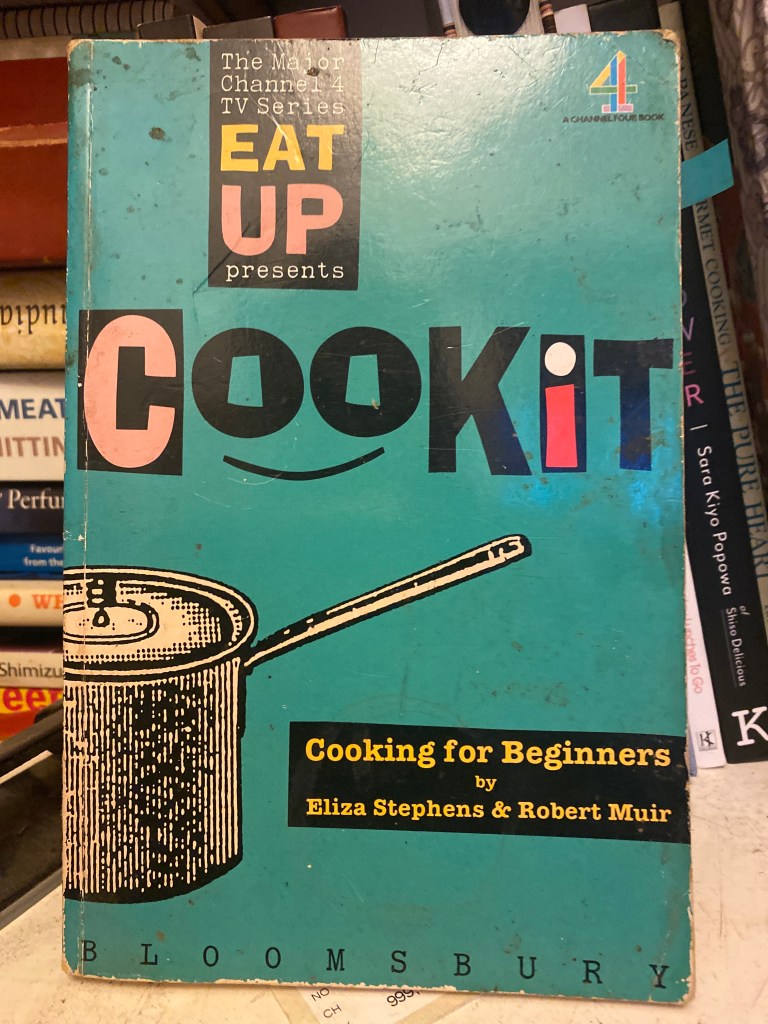
As part of my research into working in the professional world I had a look on the internet to see if there was any jobs available in publishing. I have actually written two cook books that have been published. My book COOKIT written for channel 4 was published by Bloomsbury press in 1994!

It was an incredible experience I worked with a brilliant editor at Bloomsbury and went through the complete creative process. seeing my book published blew me away !!As an artist I would off course love to produce my own photographic book, at the moment it would be about photo therapy and how the creative process helps me deal with mental health. The industry of publishing is huge and you can either be the book creater, writer/artist or you can work behind the scenes. there are many jobs, photography, graphic, editor, proof reading its a great industry.

jobs I found

submissions publisher at the Tate sounds like an interesting opportunity but I think actually turns out to be quite a technical job and I don’t really know any of that is the role within the team to create regulatory agency submission packages using build and publishing tools. I don’t think this is an entry-level job but equally it’s not that skilled as the pay is 1260 to 838 per hour so not sure Plus the great thing about working for a company like the Tate is it I would imagine it would be a company where you could grow you could look around coming on a low-level summit up to be so many different opportunities within this huge organisation and often companies like Tate modern or Tate Britain are keen to help support people and often provide ladders entered to future goals

https://www.google.com/search?q=jobs+in+publishing&rlz=1C5CHFA_enGB767GB767&oq=jobs+in+publishing&aqs=chrome..69i57j0l7.6016j0j15&sourceid=chrome&ie=UTF-8&ibp=htl;jobs&sa=X&ved=2ahUKEwiB5ZPzhaDsAhXTnFwKHaD3CLYQp4wCMAF6BAgjEAE#fpstate=tldetail&htivrt=jobs&htiq=jobs+in+publishing&htidocid=Fiu3krX7c9CwHBpAAAAAAA%3D%3D&sxsrf=ALeKk02M65e2oflb53gDN4-4F0JDoE2r_g:1601990025350

Editorial assistant at Dock Street creative productions

Actually looks like quite an interesting job a creative thinker with a strong life for detail and a high passion for quality magazines your assist in the day-to-day running of the magazine as well as creating online communities to drive traffic through the magazines websites auto report directly to the editor which is always nice and be liaising with parents will have lots of energy positive attitude and understand how to manage the brown social media and create engaging contact content the job will incorporate writing new stories features picture researching subbing organising photo shoots and liaising with this job is actually in Ipswich believe it or not and it’s been advertised for one month so I don’t know if it’s still available but actually looks like quite a good job from somebody out of uni.

So what is Dock Street creative productions well in a way it just seems a bit like a corporate advertising PR company really and I’ve looked at his website and it says that you know it will produce magazines for you up to the highest standard it will do a whole new branding and identity work out for you branding is something I’ve had the pleasure of working in before and copywriting and editing again so I guess that was for people who might have technical journals or again manuals or instructions

https://www.dockstreetcreative.com/

So yeah this is really more about corporate identity and is I guess a corporate side of publishing not really a high-end publishing house such as Bloomsbury it should be more literature or Mac which course produces the great photography books.

Cambridge university press Publishing Apprerticeships


They offer a range of apprenticeships in Communications, Customer Services, HR, Marketing, Project Management, Sales and more. In joining, you will broaden your skills whilst gaining first-hand experience of the publishing industry. You’ll be working alongside colleagues and a recognised training provider, and will get the time and support you need to unlock your full potential. You will earn while you learn, and be part of a wider cohort of apprentices, benefiting from training opportunities together.
https://www.google.com/search?q=jobs+in+publishing&rlz=1C5CHFA_enGB767GB767&oq=jobs+in+publishing&aqs=chrome..69i57j0l7.6016j0j15&sourceid=chrome&ie=UTF-8&ibp=htl;jobs&sa=X&ved=2ahUKEwiB5ZPzhaDsAhXTnFwKHaD3CLYQp4wCMAF6BAgjEAE#fpstate=tldetail&htivrt=jobs&htiq=jobs+in+publishing&htidocid=7FLKsqL-6LuU4YFsAAAAAA%3D%3D&sxsrf=ALeKk02M65e2oflb53gDN4-4F0JDoE2r_g:1601990025350

https://mackbooks.co.uk/

Don’t see any jobs being advertised at MacBooks are high-end publishing house like this would have a very large creative team courses have the editors sold and the commissioning editors who would choose the people to make the books then of course you would have the writers and photographers that took authors of the book. But then you would have a huge gang of people who would help with the production these will be graphic designers page layout designers copywriters stock offers not specific to the actual photography but photographers who might do lifestyle shots there would be an army of set designers for other kinds of publications obviously there would be an editor who the author would that work with closely they would be copywriters like I said I would check for spelling mistake I think publishing is probably pretty much like other creative industries like TV for example were really a lot of the entry-level work for most graduates is still to become a runner and general office body you would probably do that for a year also give you a chance to work out what area you might be interested in be at production management or creative all the creative side of things and then you would start a specialise.
For the creative photographer I actually think you wouldn’t want to work in publishing. publishing is more of an administrative overseeing roll. Obviously the commissioning editors and the editors will be highly creative highly skilled individuals who will choose who will be making the book so they are going to publish but the actual work within the publishing industry is going to be very much about typography designer layouts copywriting and of course the actual printing and manufacturing of books as well as of course a very big legal side which would be all about copyright. And of course a huge part of publishing is going to be marketing and advertising and social media.
Food photographer – business quote

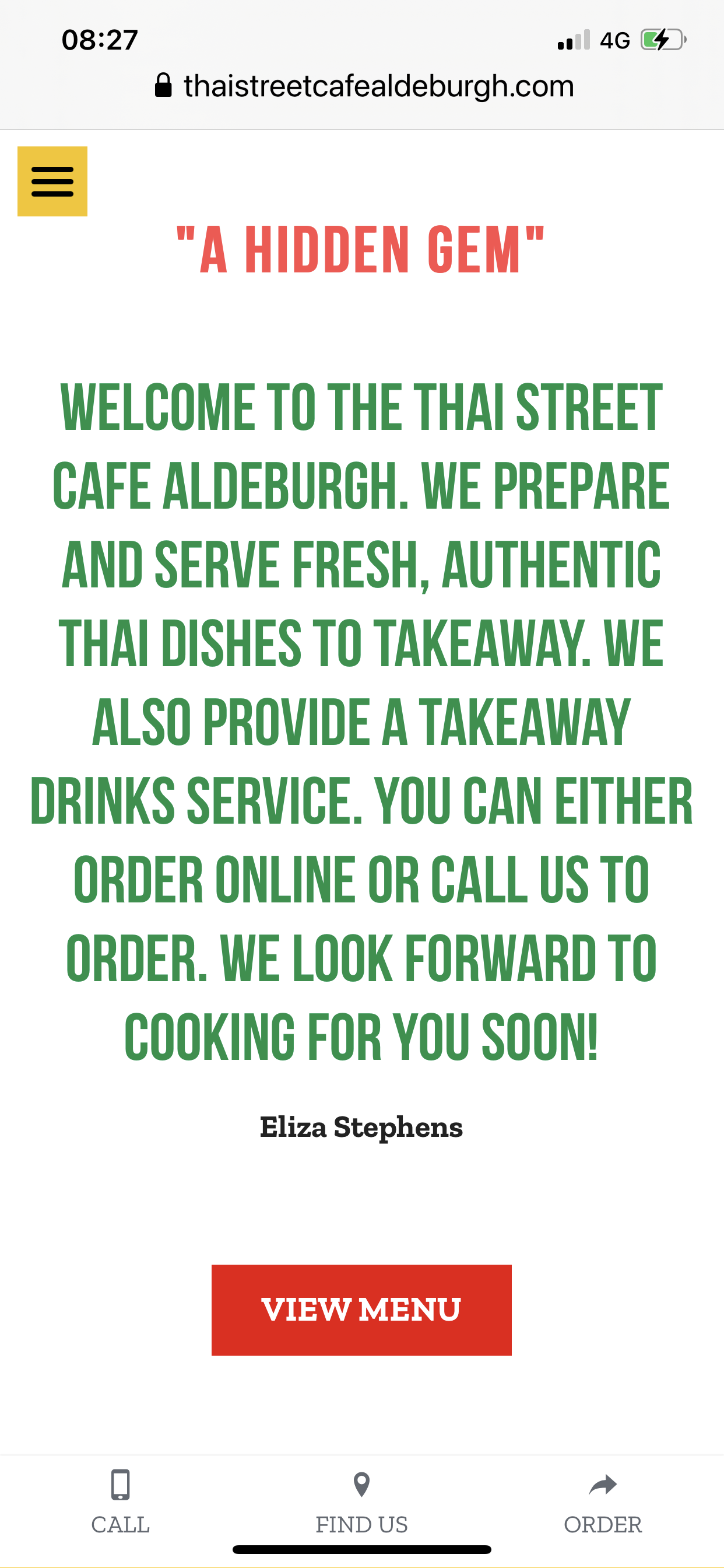
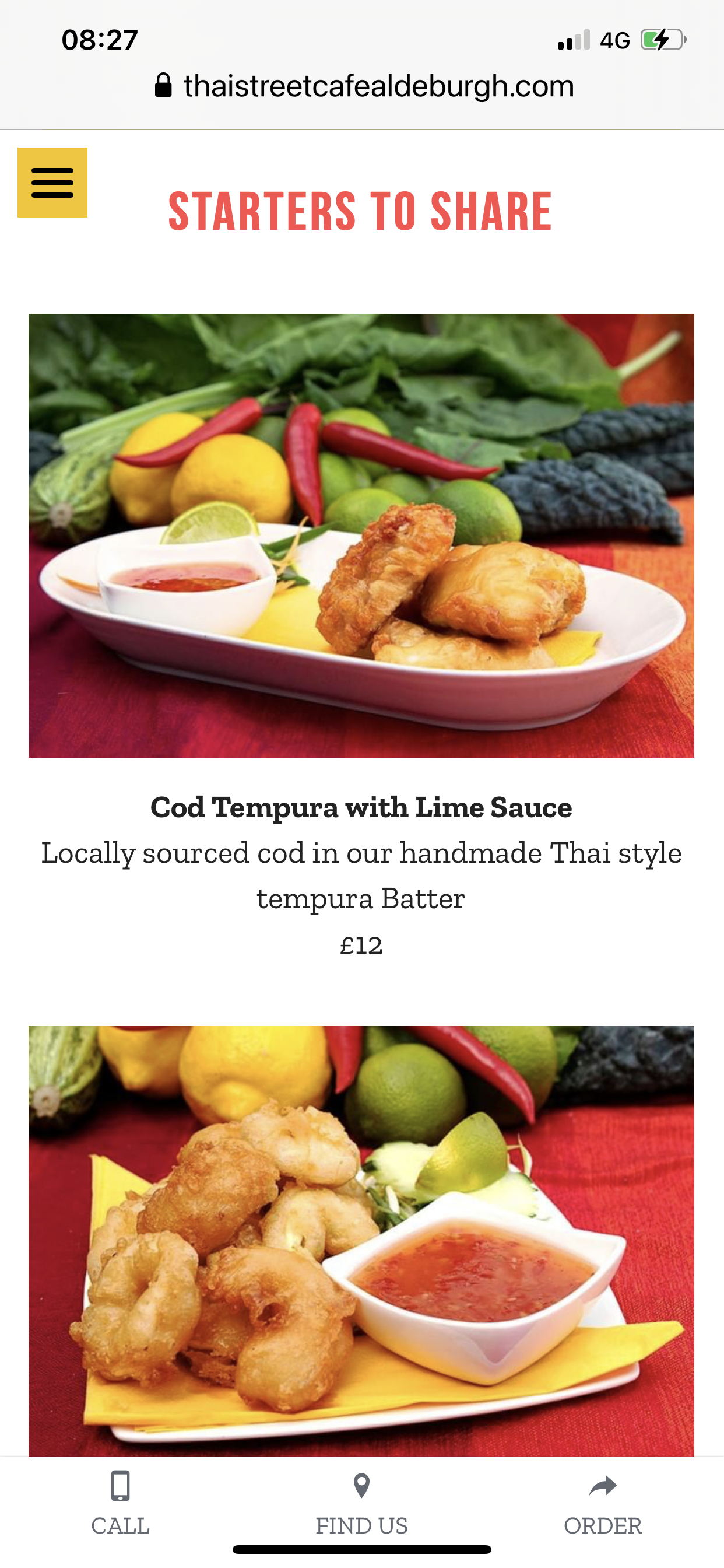
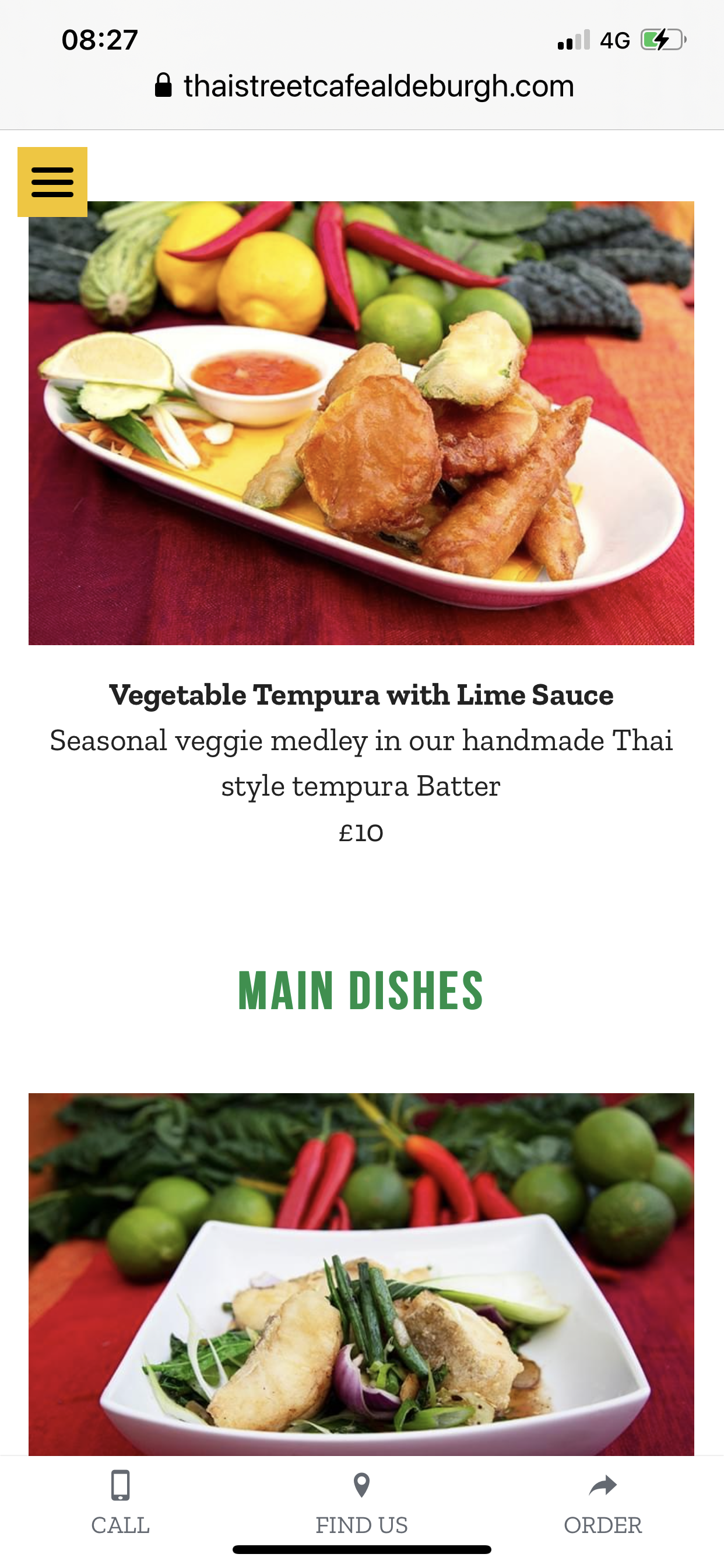
https://www.thaistreetcafealdeburgh.com/

where is a link to my website that I made last year for my cafe

I commissioned a designer and did all of the photography my self.

here is a summery of how I would cost such a job if I was a freelancer

the desingner cost £1000

it took me 3 whole days to photograph the food on location and of course I had to factor in the food costs. it took me another 2 days to edit and prepare files in photoshop for the web

3 days shot for photographer @ £300 per day total £900

2 days post production @ £200 per day total £400

Food costs, Budjet £400

Hire of equipment and props £150 per day for shoot total £450

Travel costs £100 for 3 days total £100

Total cost photography £2250

total cost designer £1000

I would budget this job at £3200 for cost and then I would add on 20% just to be sure I made profit so Total cost as quoted to the client would be

£3840 + vat

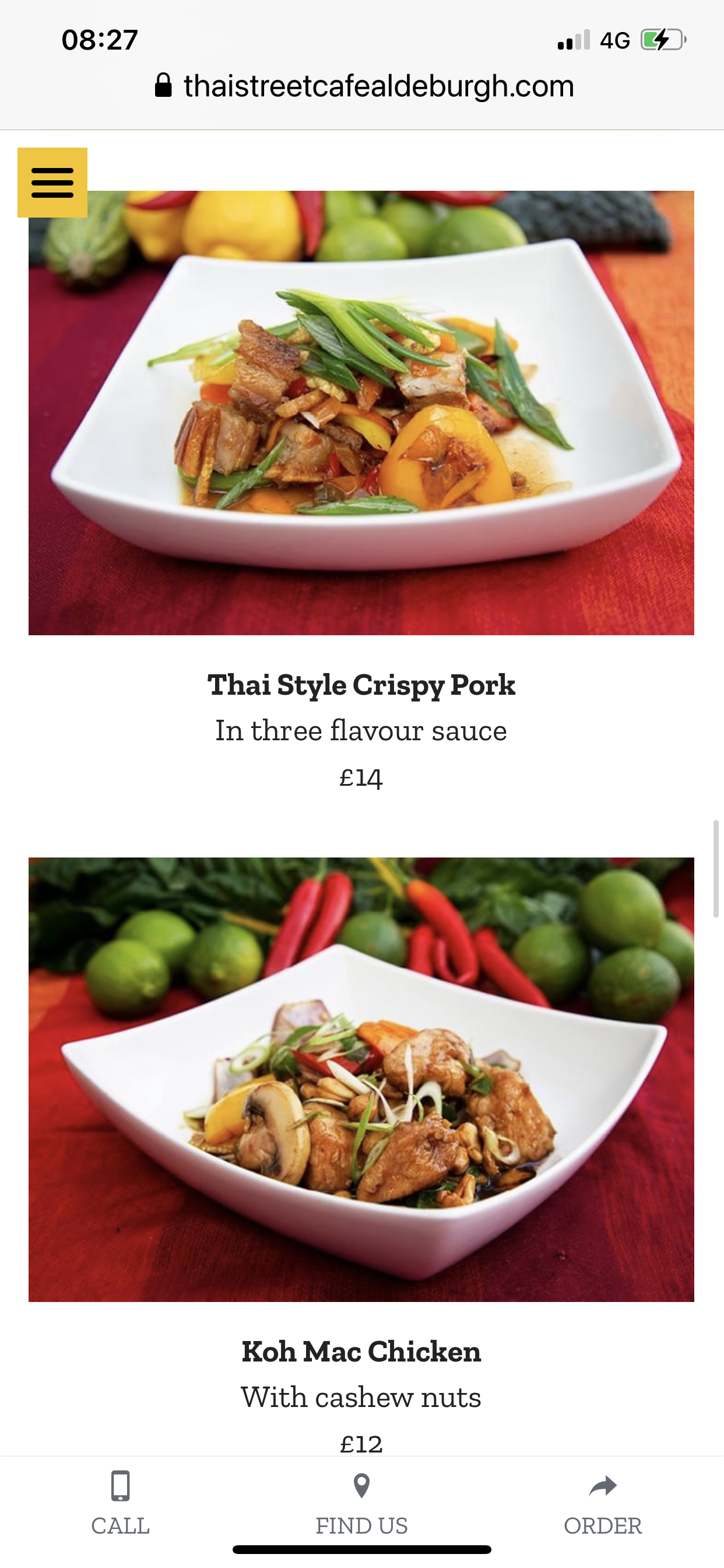
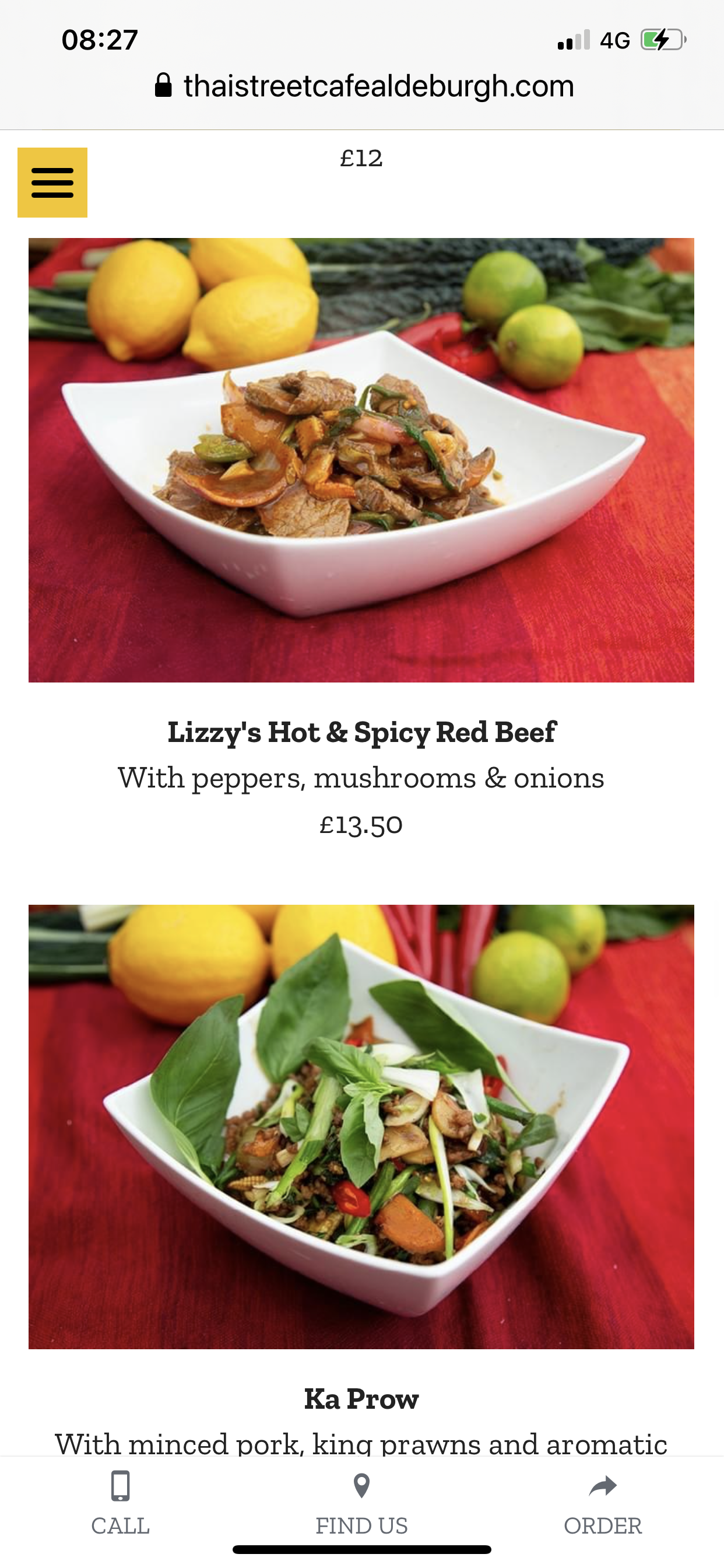
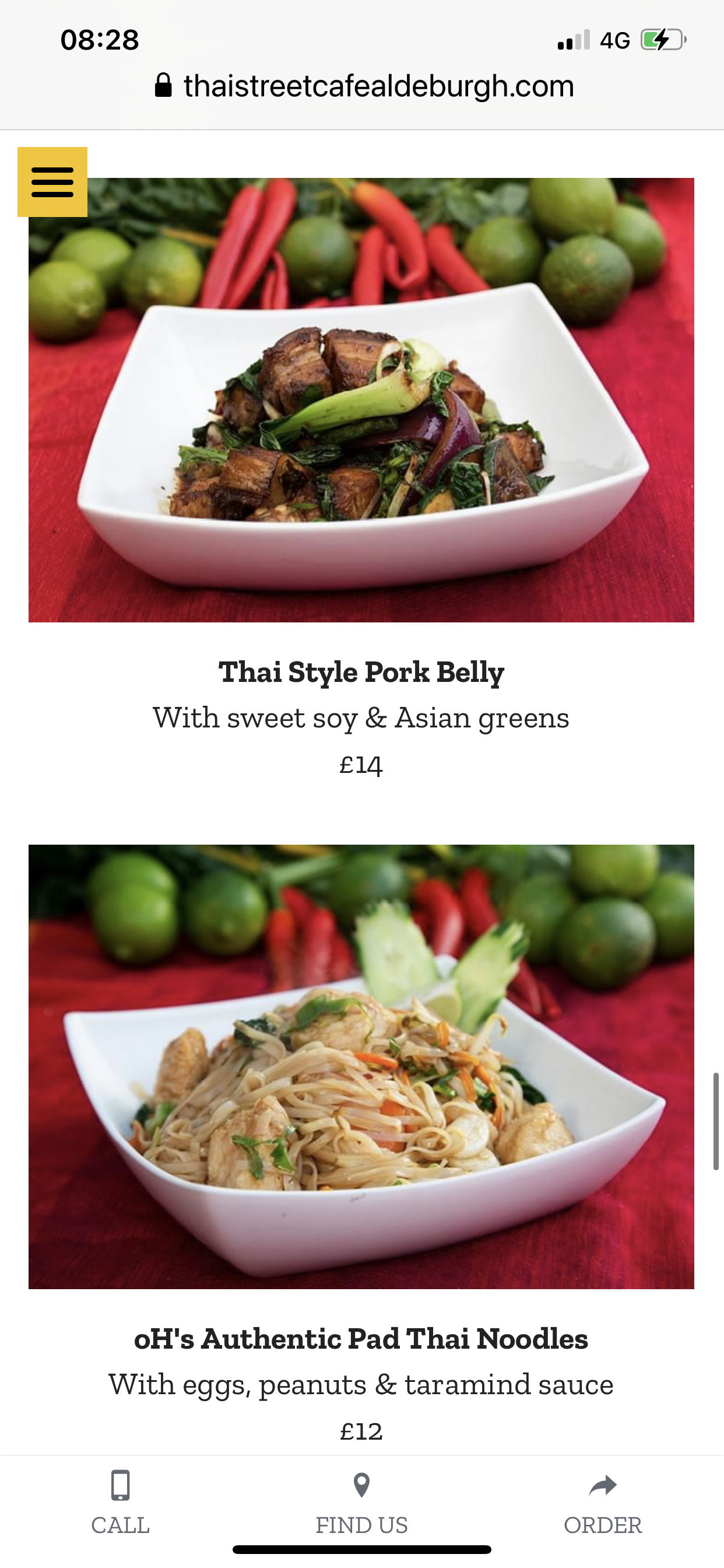
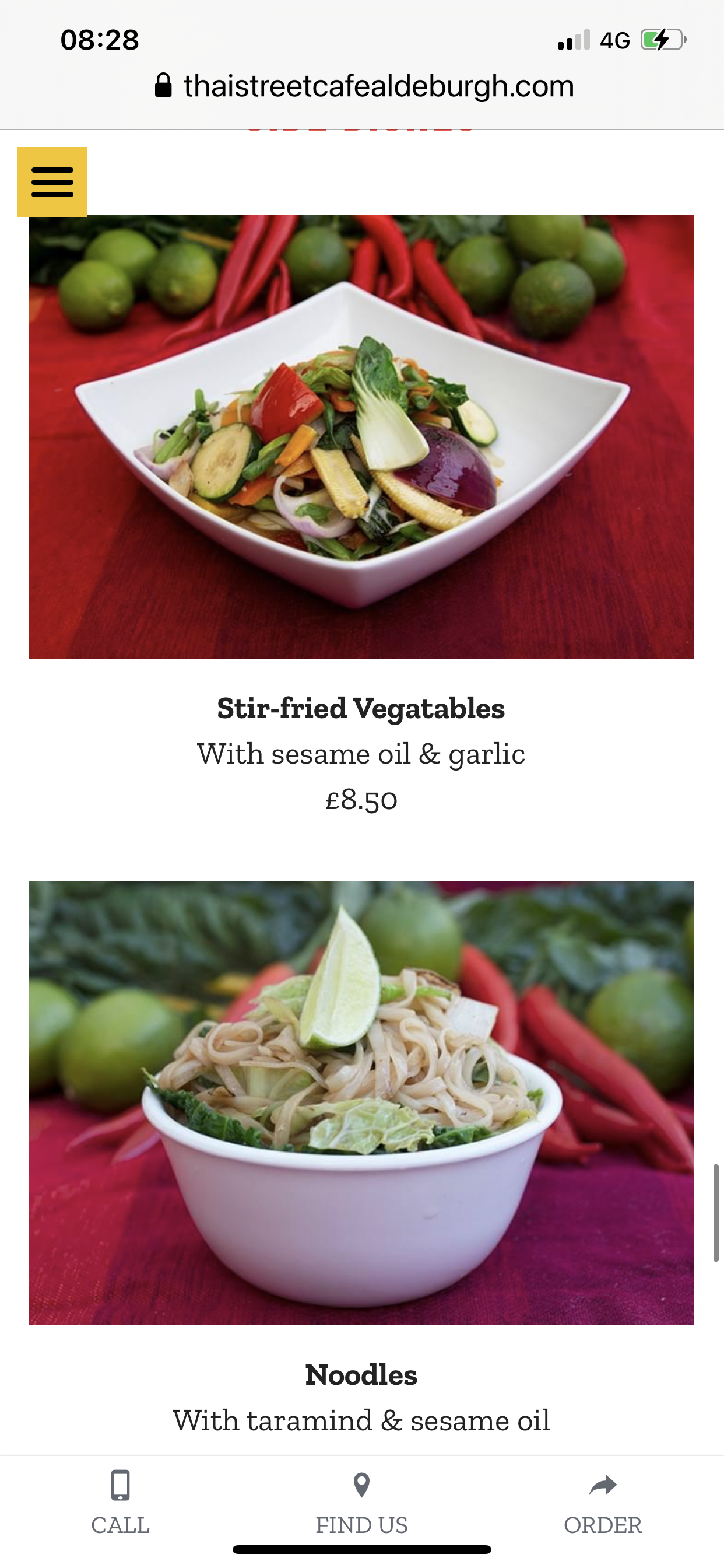
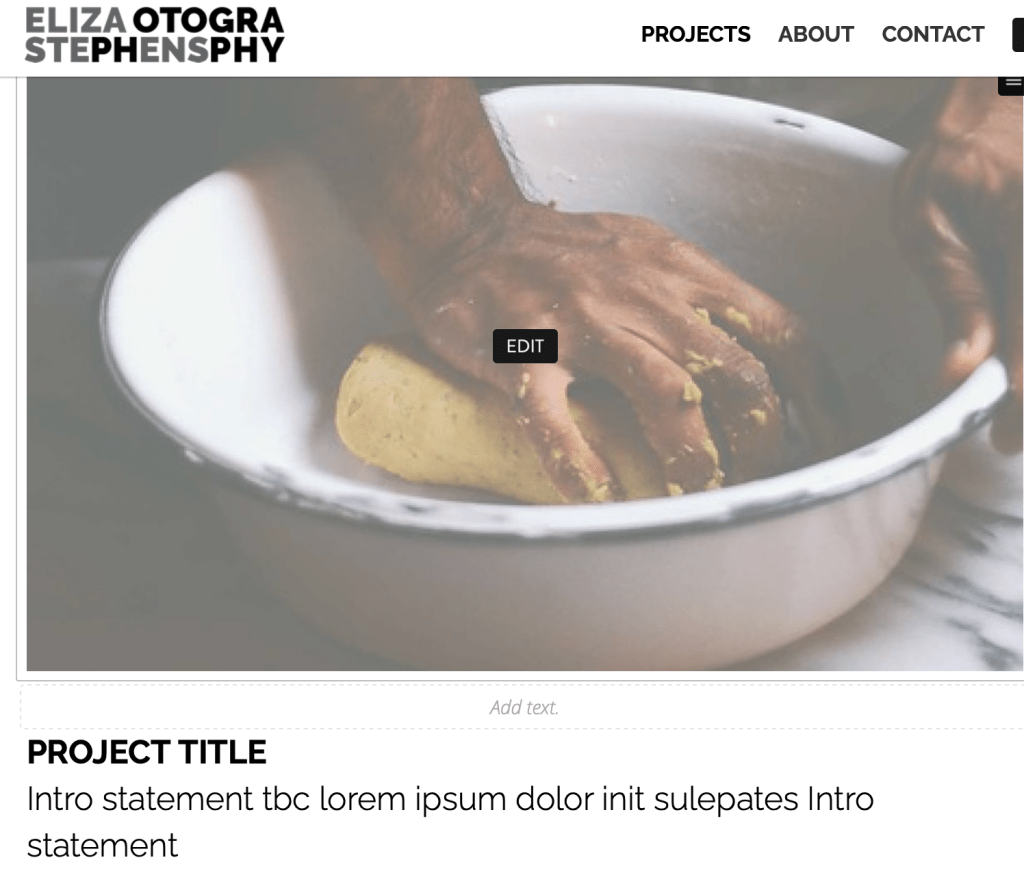
here are some screen shots of my website. one factor I had to take into account was that after discussing the design with the designer and client I wanted my photographs to match the colour pallet of the site graphics. I was really pleased with the result.

MY WEB SITE

website layout and design

Here are some of the first designs for my website. I liked the play on words in the graphic name. However being dyslexic myself I wanted my site to be assessable to people with disabilities so we changed the design.

NEW DESIGN

As you can see I made the text layout very clear and we used very large font to increase accessibility for Neurodiverse people and sight impaired. the navigation odf the site is very simple and intuitive.

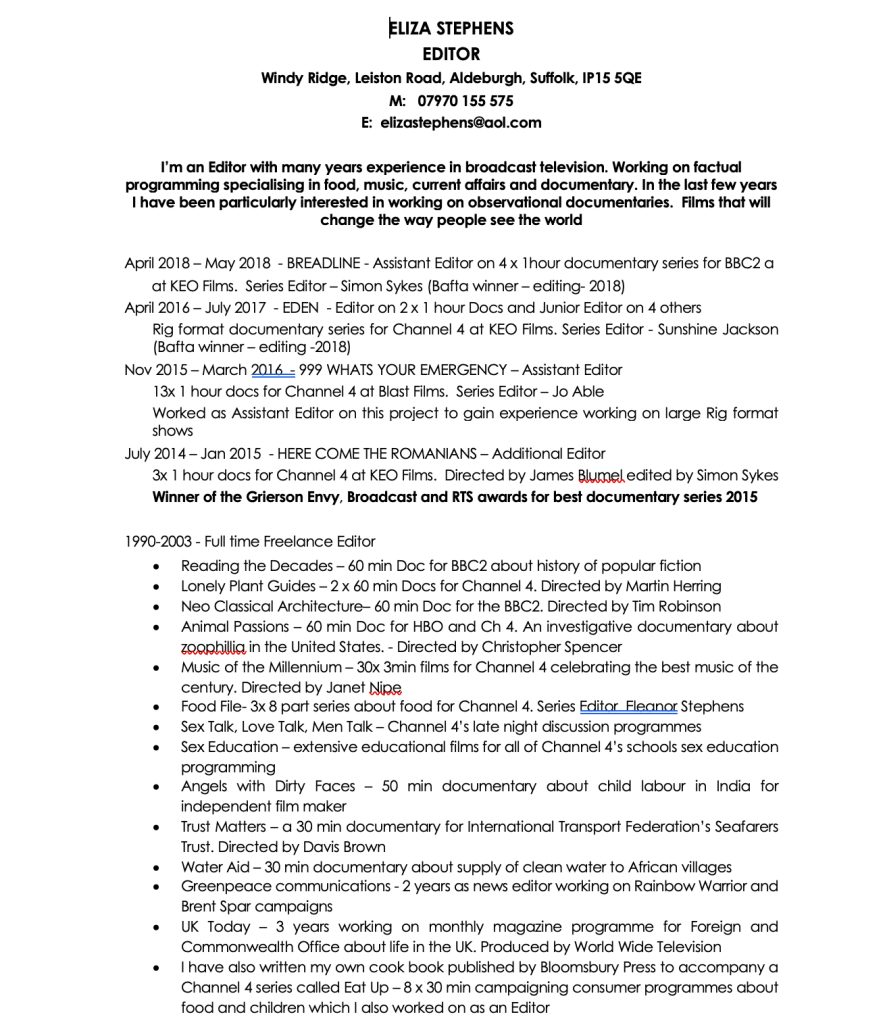
Here is a deep dive into one of the projects I have included in the site at the end of this post I have also included copy of my CV which was used as a reference for my ABOUT section

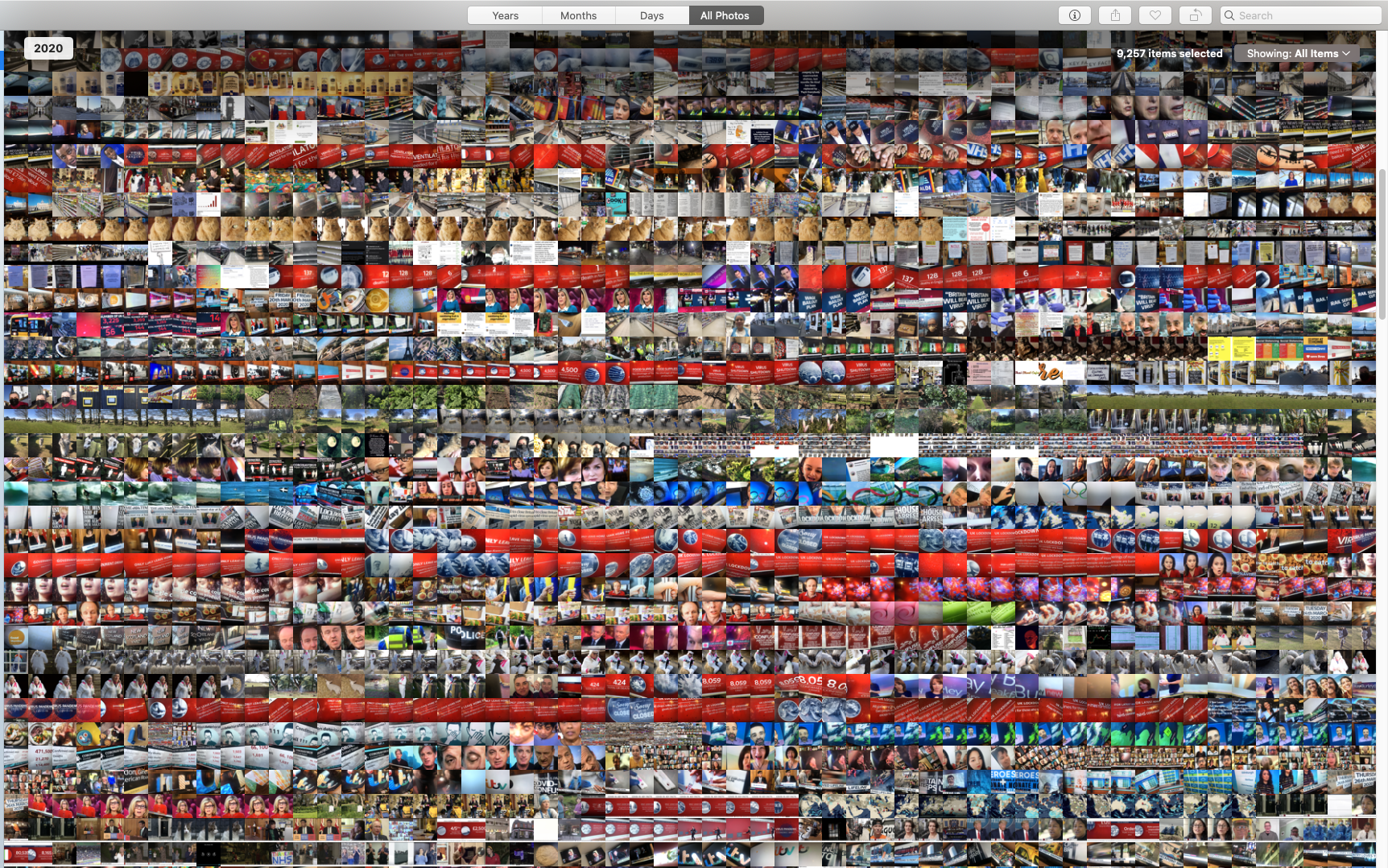
PROJECT 1 – CORONA VISION – LOCKDOWN ART

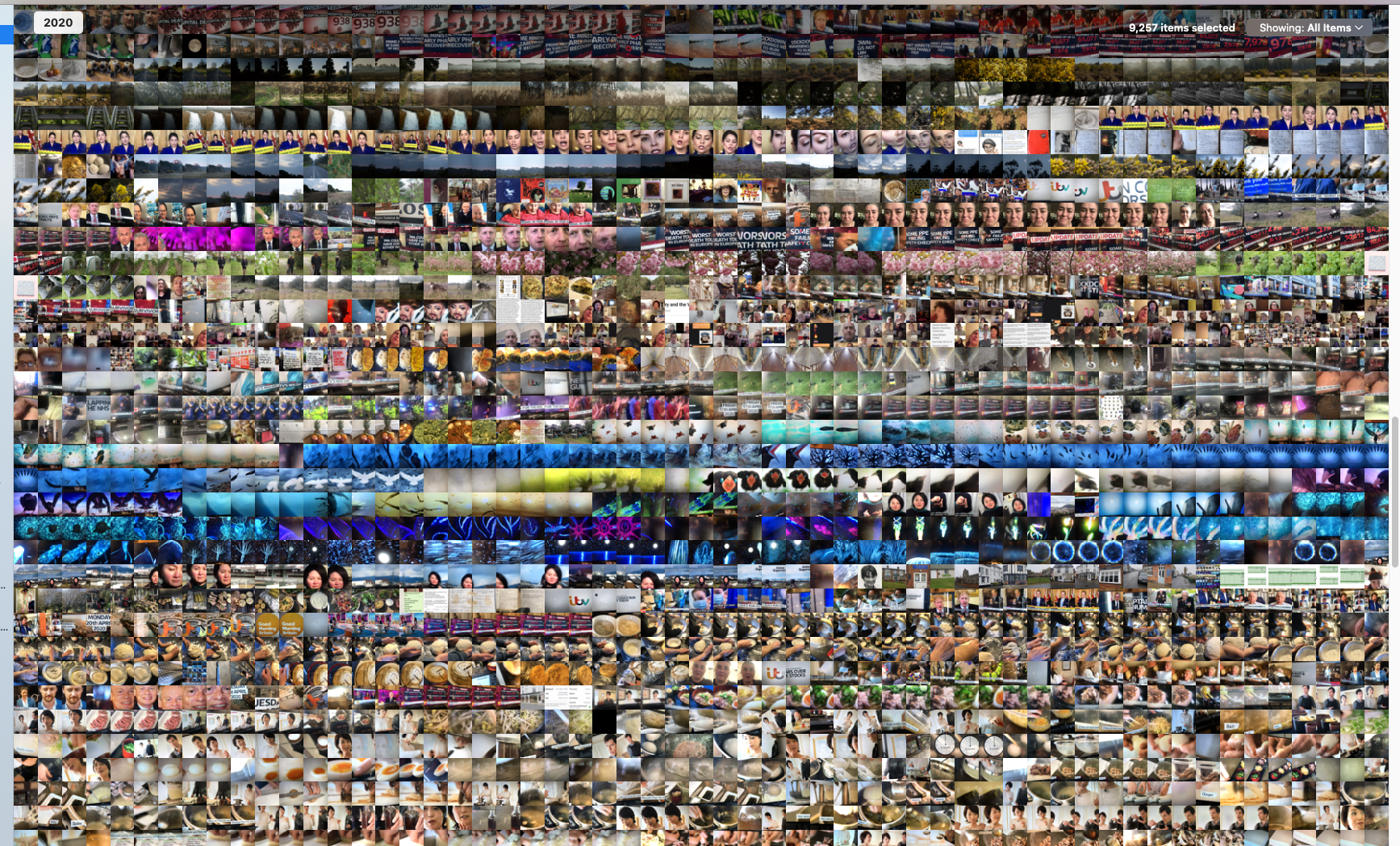
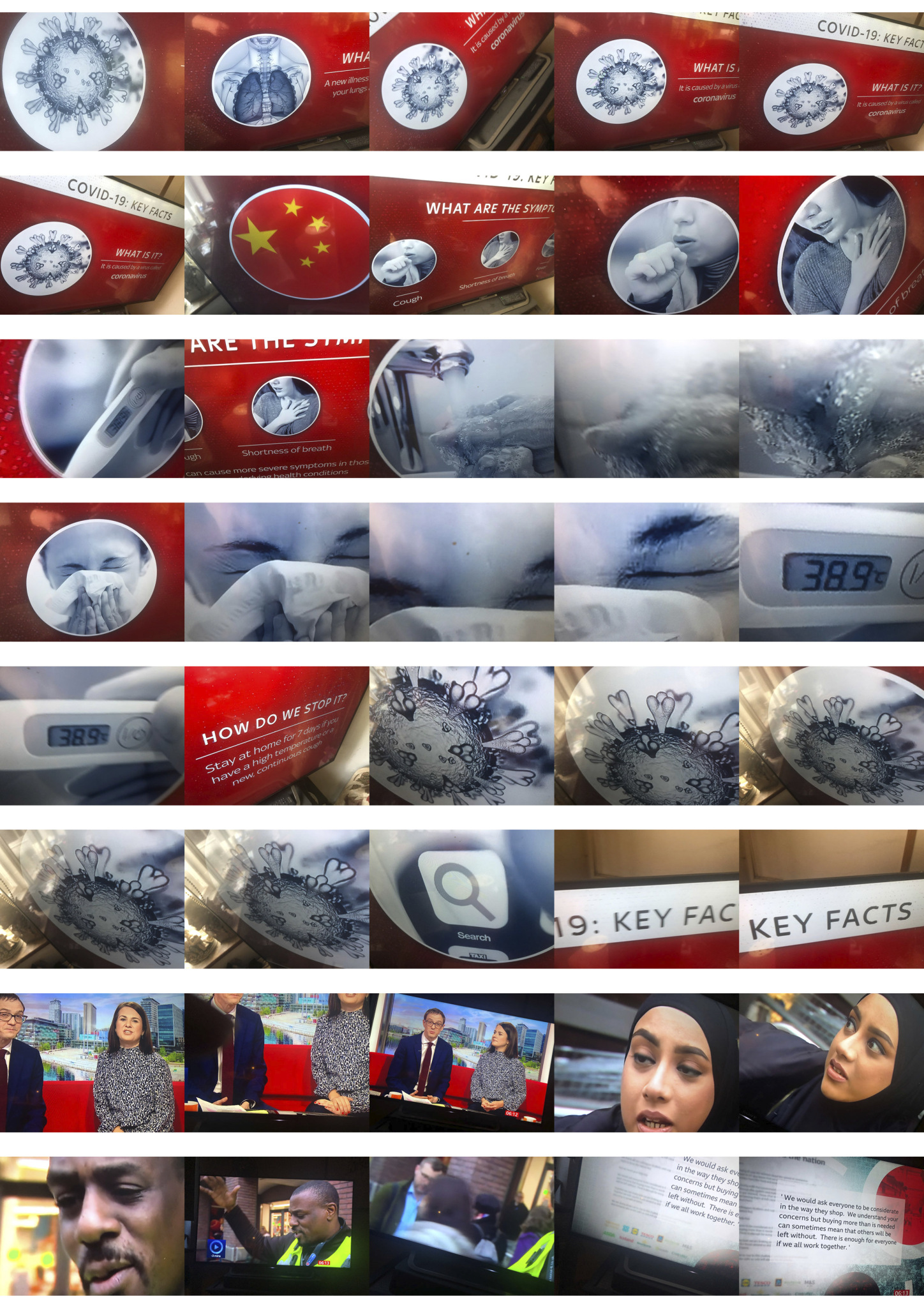
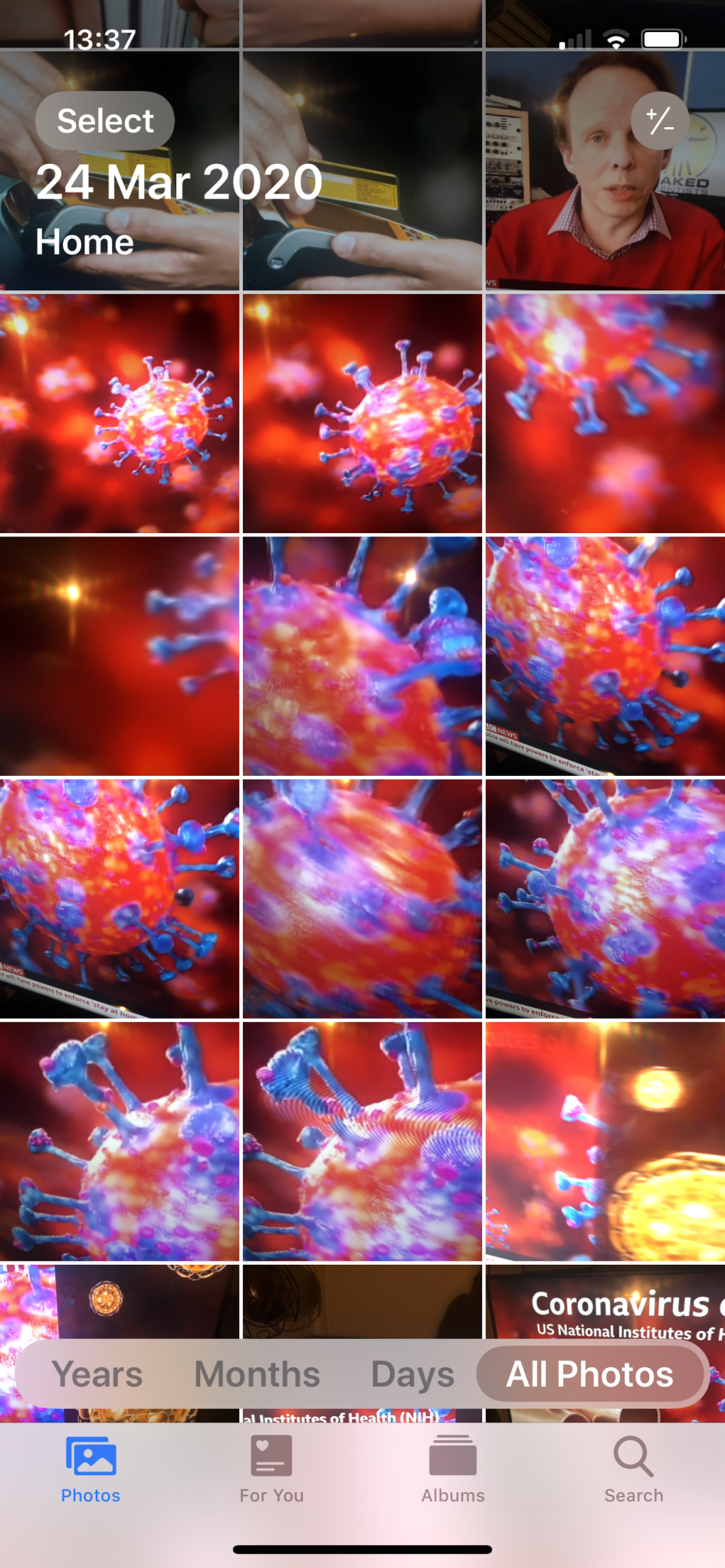
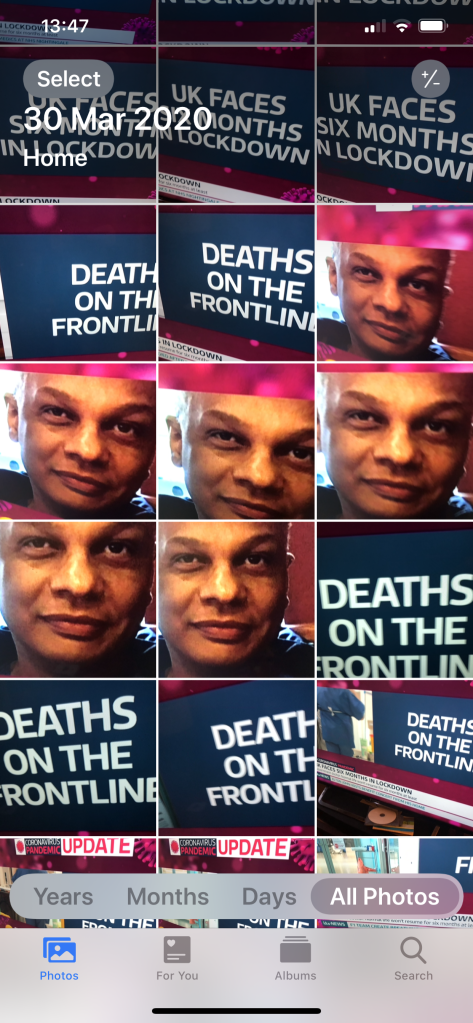
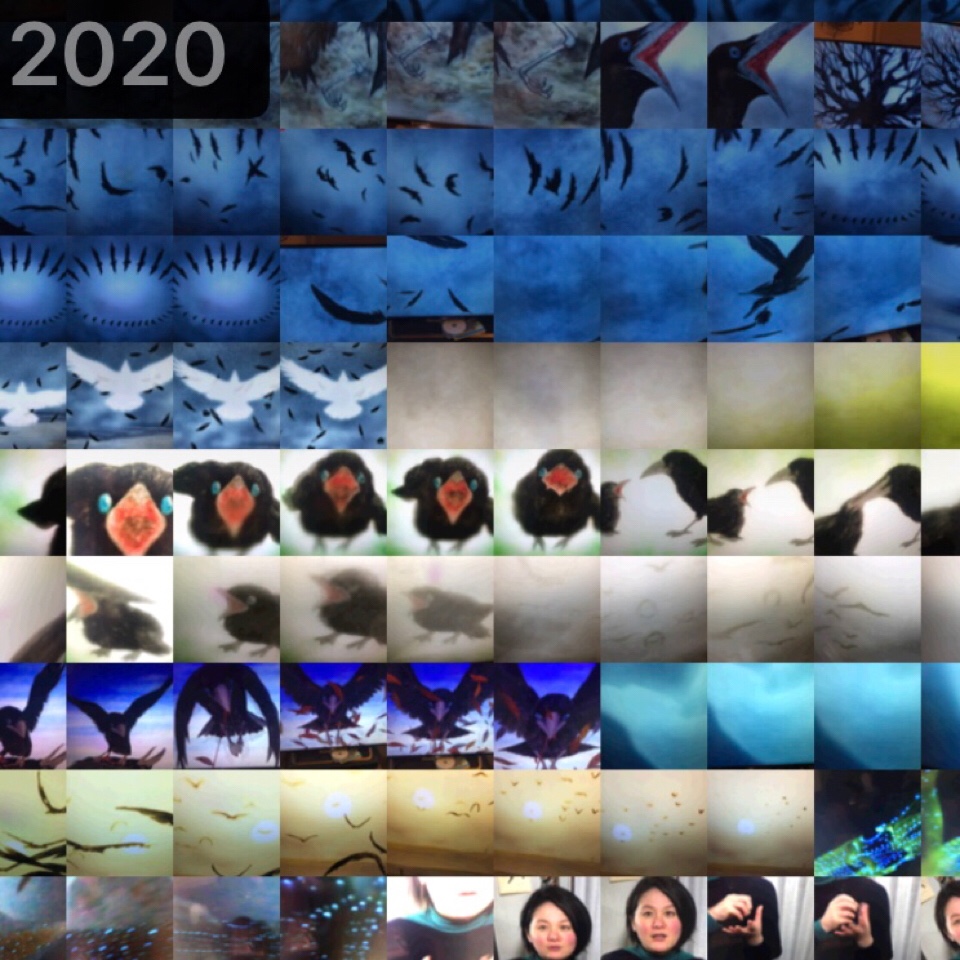
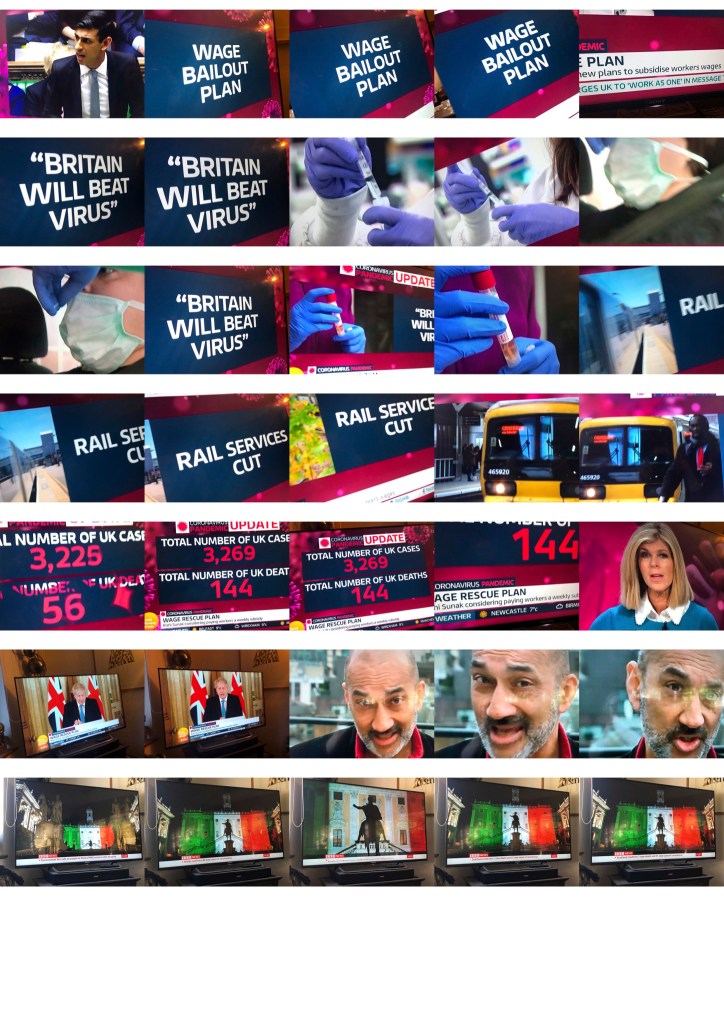
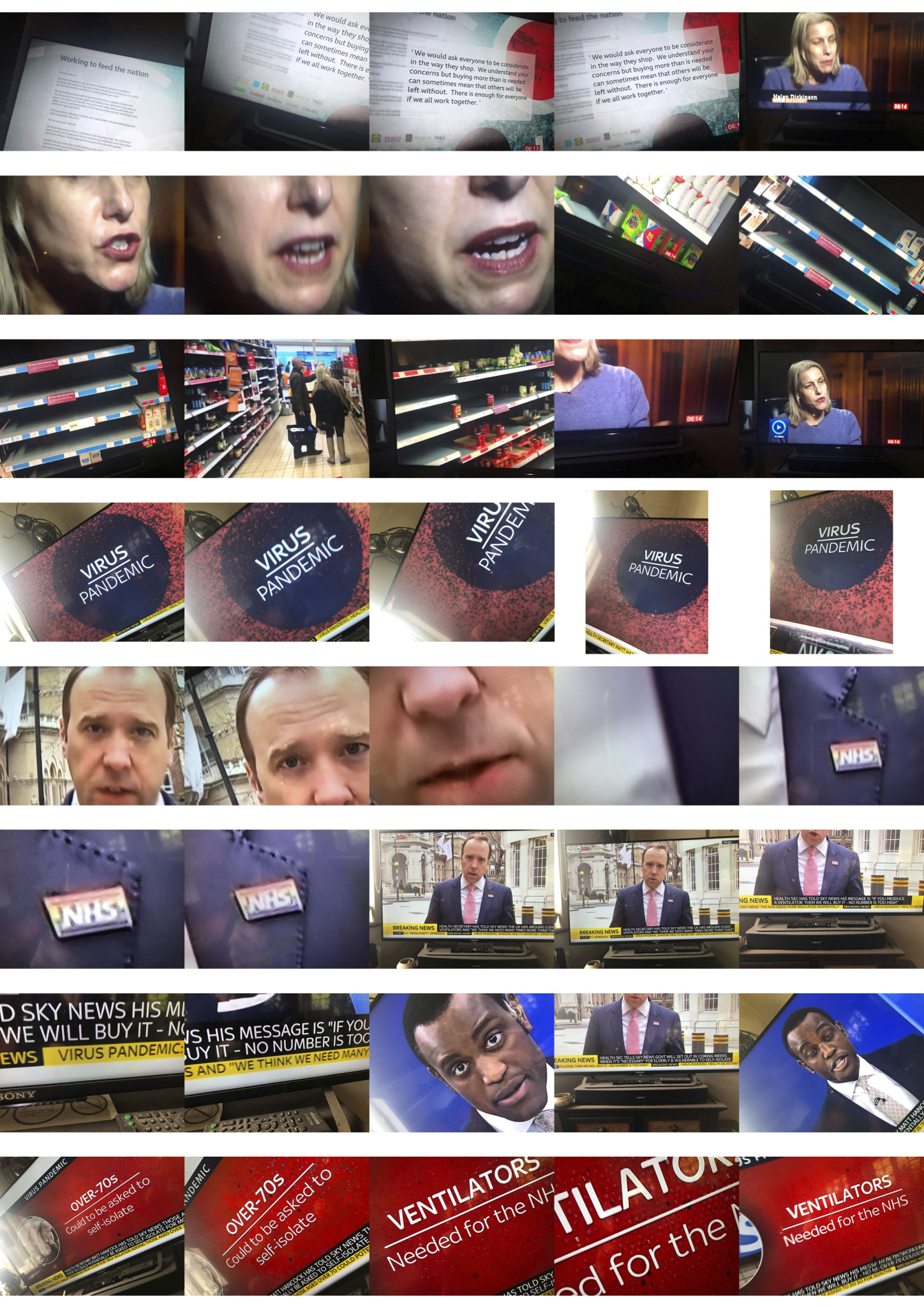
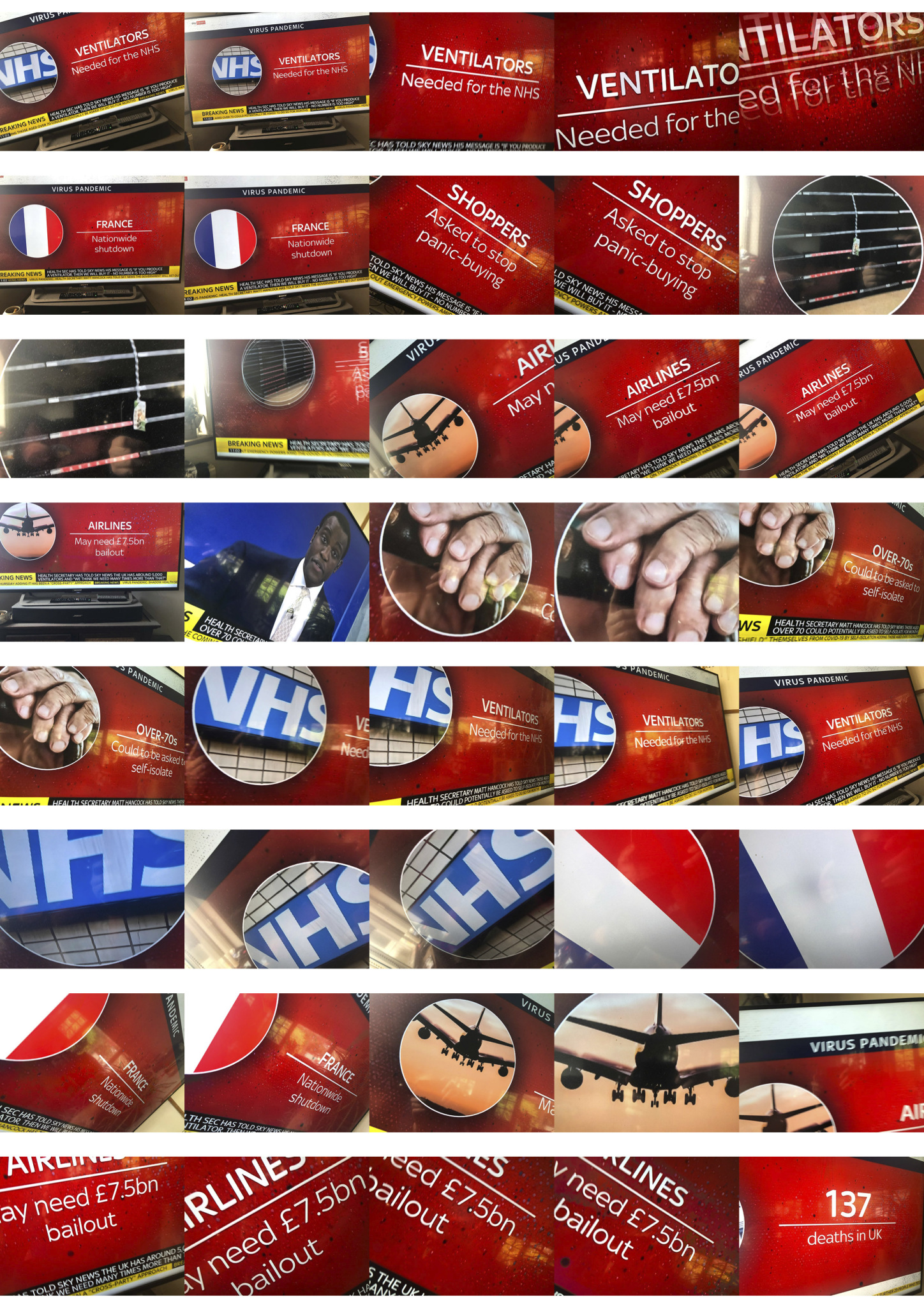
FROM THE 12th of March 2020 I TOOK 9788 photographs of my television over a period of 68 days. thats an average 148 images a day.

While locked in my house the television became my new portal to the outside world. It became a place i could visit while locked in, my new virtual Hyper reality. Over the next weeks i just watched and watched and obsessively took photographs.I was stuck, at times paralysed with anxiety and fear addictively watching the world transform before my eyes

using the graphic elements from my Images I was able to created an interesting narrative tool that allowed me in a way to create short films in a single image. to tell a story, The Story, or rather the story the media and government brian washed me into believe… for weeks and weeks there was nothing but death and fear spewing from the television set.

Images of virus where everywhere and in a way i became hypnotised by the circular shape and internal beauty of the virus

i also started to watch he daily death toll.. it almost became like gambling on the stock exchange, dopamein bursts and increased heart rates when the number of dead went up and up like a stock market while the financial markets crashed all around the world.

After a time i began to see the fear that was controlling me and started to with draw from the dreaded news narrative, like many in lock down i made sourdough bread, jam ,grew vegetable, my cat died, i cried, i missed my family, but i started to get some acceptance and regained some freedom and began to recognise my anger and ultimately its self destructive.

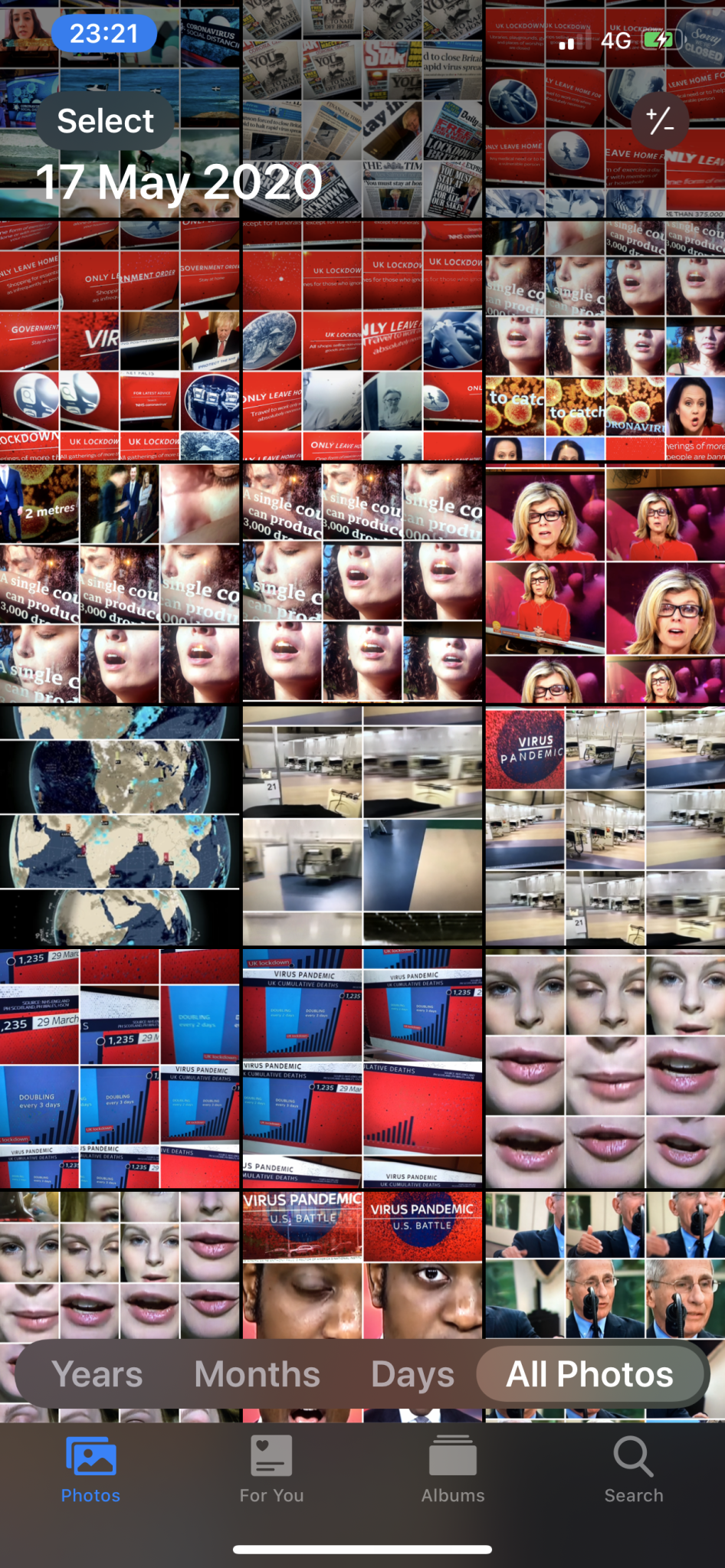
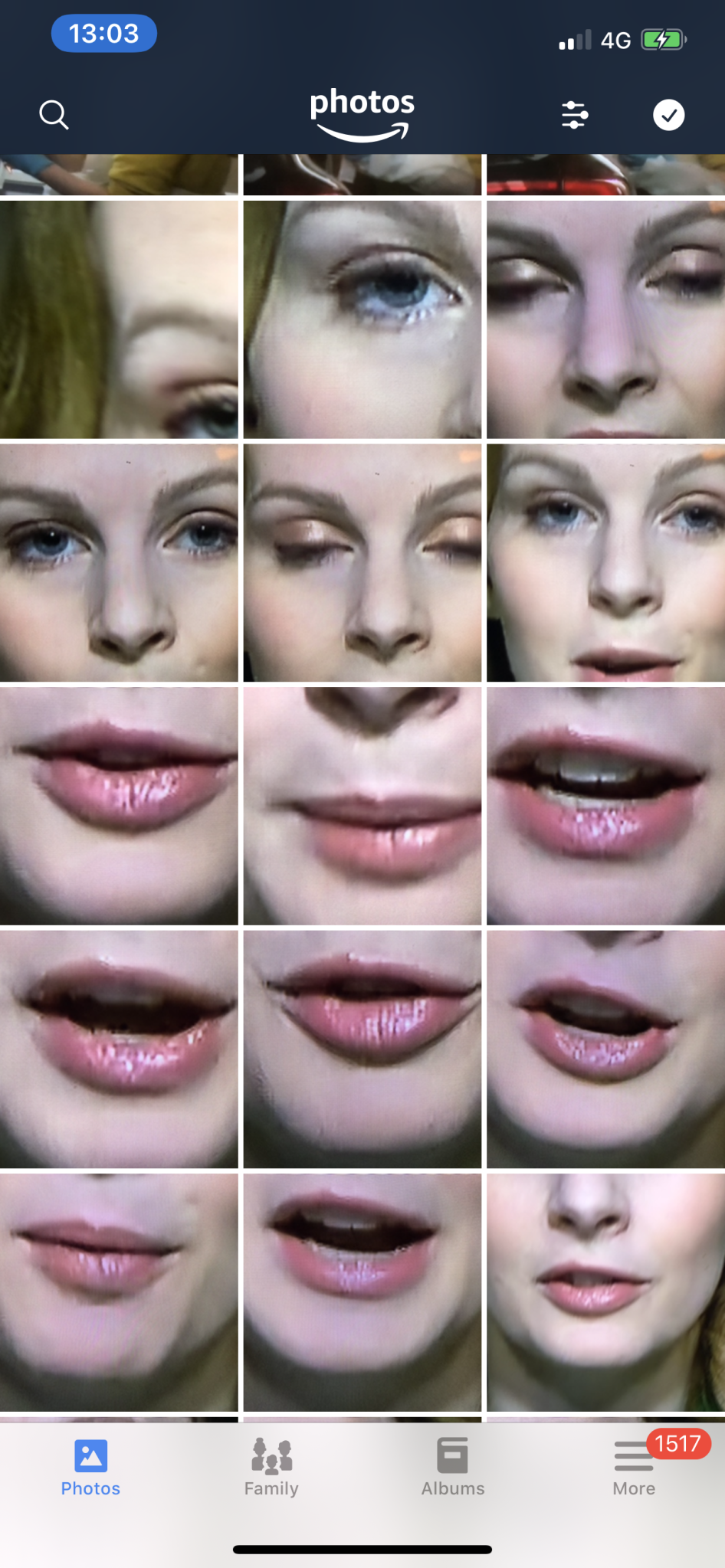
I made grids of every thing. i have 100s of grids. i also made grids in loads of different software packages. on my iPhone as screen shots, on amazon photo, in adobe bridge, i did grids with boarders and grids with out. i even started making grids of grids of grids Corona Vision was only created because i had fallen in to a Hyperreality rabbit hole during the first weeks of lock down and the global pandemic of Covid-19. Baudrillard has been credited with inventing to term Hyperreality and used terms like “Blizzards of information” and has described “the ecstasy of communication”.

Over a 9 week period i had taken 9788 pictures of my Sony Television with my IPhone and now realise I had lost my grip on reality. I was compelled and addicted to my television, gripped by the propaganda and fear that spewed out of every news channel. I had no reference and in a sea of subliminal fake news was gripped by a terror of confusion and lack of control. Addicted to adrenaline and other neurochemicals being constantly triggered by the drug we call television. I am shocked at how extreme my reaction was and how now in 2020, I am, l believe living in a world so profoundly described by Baudrillard. When the present government is actually a giant PR company where no one knows how to anything but lie, the death tolls rise, the graphics all brightly coloured become meaningless, a game a non reality. impossible to navigate. Baudrillard posed many questions. Is it possible to lose contact with reality and float away from the material world to something else

Art is always an illusion, is writing a kind of virtual reality and do the pixels of our televisions masquerade as reality? Don’t all these things already merge in advertising…..when they are based on nothing

The wikapedia definition of Hyperreality is

Hyperreality, in semiotics and postmodernism, is an inability of consciousness to distinguish reality from a simulation of reality, especially in technologically advanced postmodern societies.[1] Hyperreality is seen as a condition in which what is real and what is fiction are seamlessly blended together so that there is no clear distinction between where one ends and the other begins.[2] It allows the co-mingling of physical reality with virtual reality (VR) and human intelligence with artificial intelligence(AI).[2]

Individuals may find themselves, for different reasons, more in tune or involved with the hyperreal world and less with the physical real world.

The words of Baudrillard and the art of Nam June Paik with his show “good morning MR Orwell” ( worlds first cross continent live satellite linked show broadcast in 1984) tie perfectly in with my work Corona Vision. Where many images from a single TV sourced from an infinite number of channels at a time of crisis created a hyperreality that that left me controlled by a project of fear like we have never seen. When Paik broadcast “Good morning Mr Orwell” in 1984 he is quoted as believing there was a good side to George Orwell’s Big Brother, i am not sure that is true today. the Big Brother of our PR based societies of valueless signs and communications seems very sinister indeed.

With CORONA VISION I am basically doing the same thing but with a still image. I am taking other peoples output and combining it to make something new. instead of layering images I am grouping them into mini narratives and dances of colour. together they are new.

ART – ANYONE CAN DO ANYTHING

ART – Its paint on a canvas, arrangments of paint or pixels or chemicals… all art is an illusion. You can’t fix light and the world, its always changing.

Below is a list of artists i have researched around my Corona vision project and are going to be a continued source of inspiration while i continue my project.

About

Scanning for the website

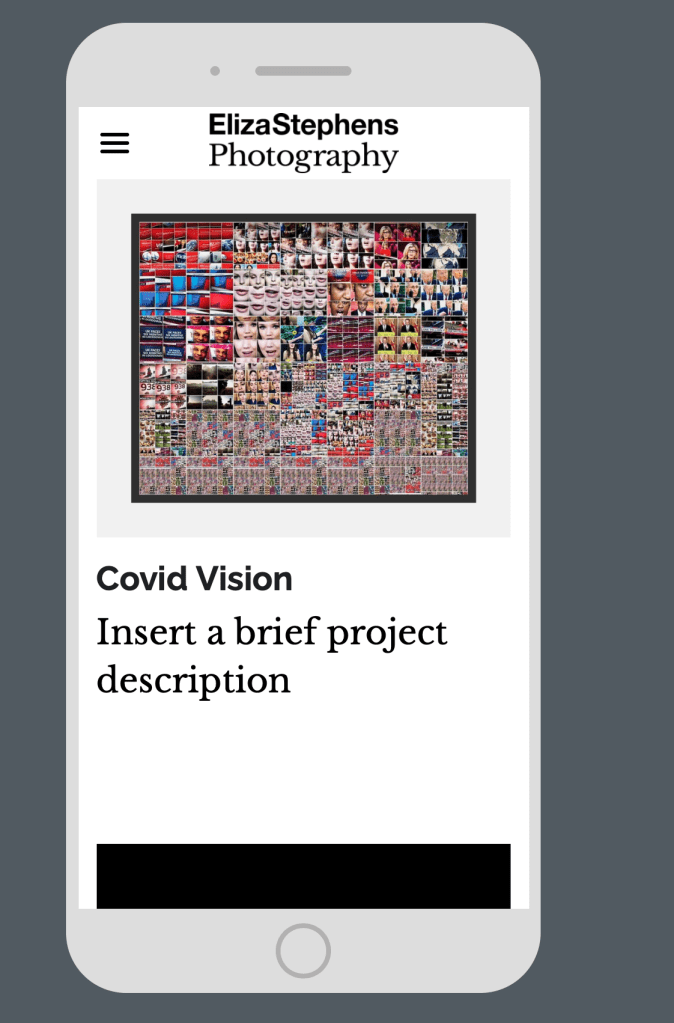
Here is the final layout I have chosen for the site. Neuro diversity friendly

how it look on the phone

SCANNING THE NEGATIVES

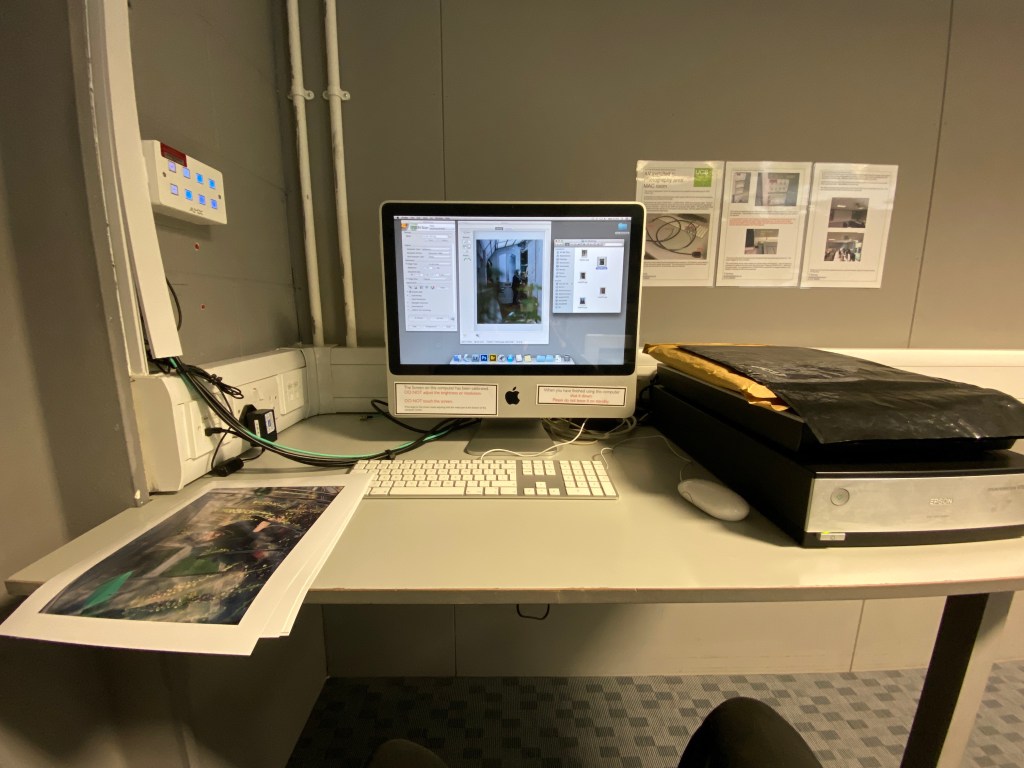
Once I had decided on there layout I needed to prepare the images. I had to scan work from my previous old projects and prepare all the files in photoshop. as I had shot on film they had to be referenced from the negatives. I wanted high quality images on my site

Scanning my NOT drowning project for the website. I have medium formate prints so need to scan

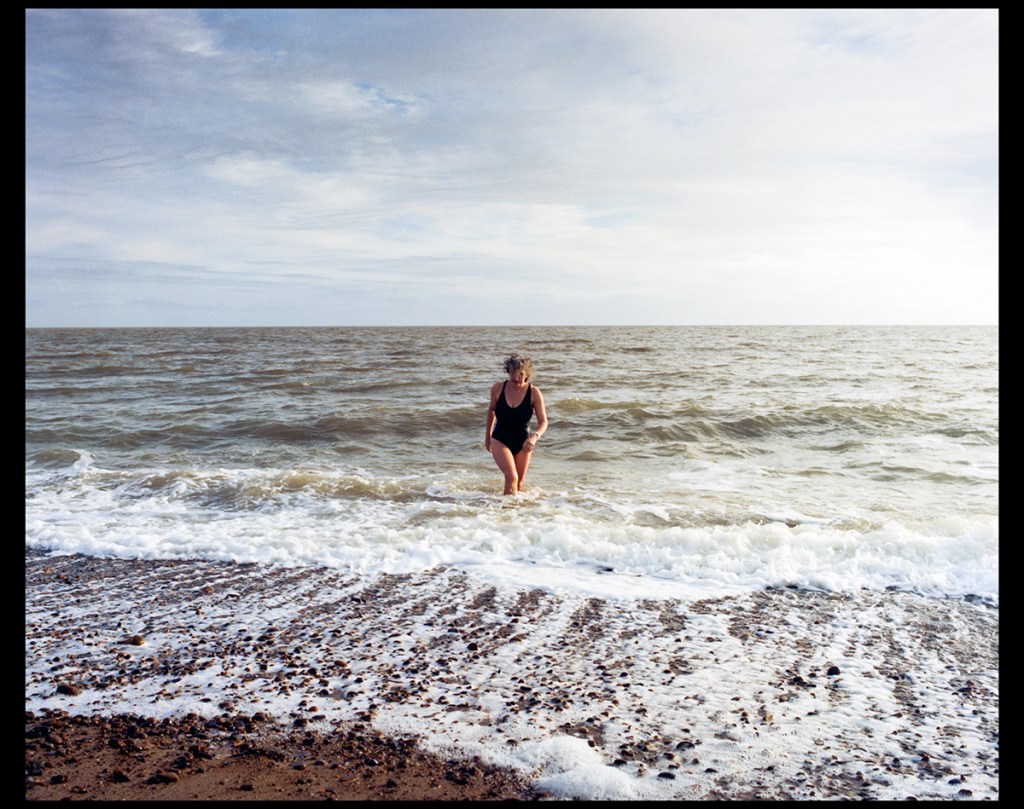
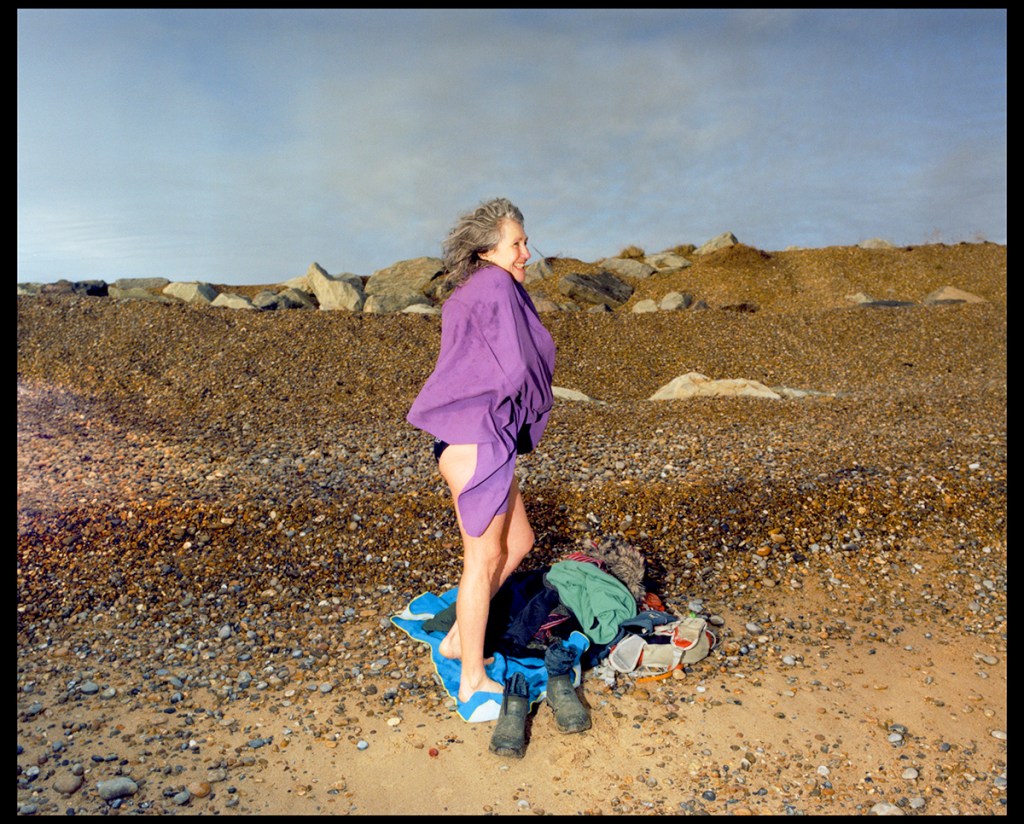
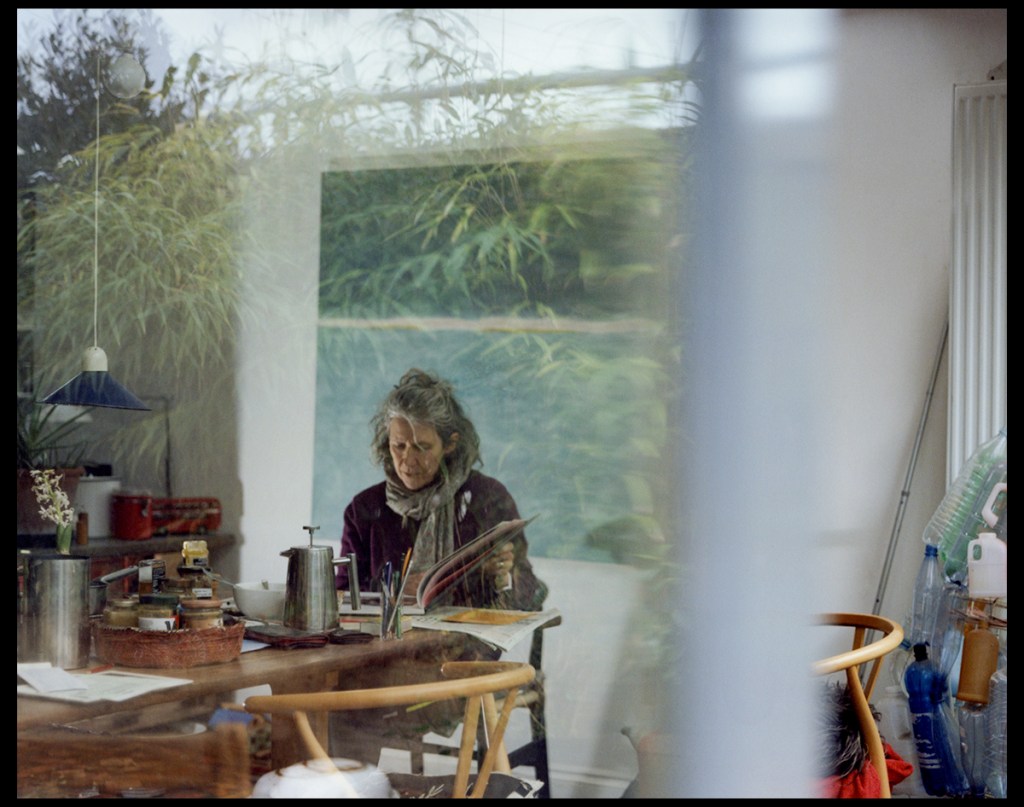
NOT DROWNING

here are my images

CORONA VISION – PROJECT 2

PORTFOLIOS

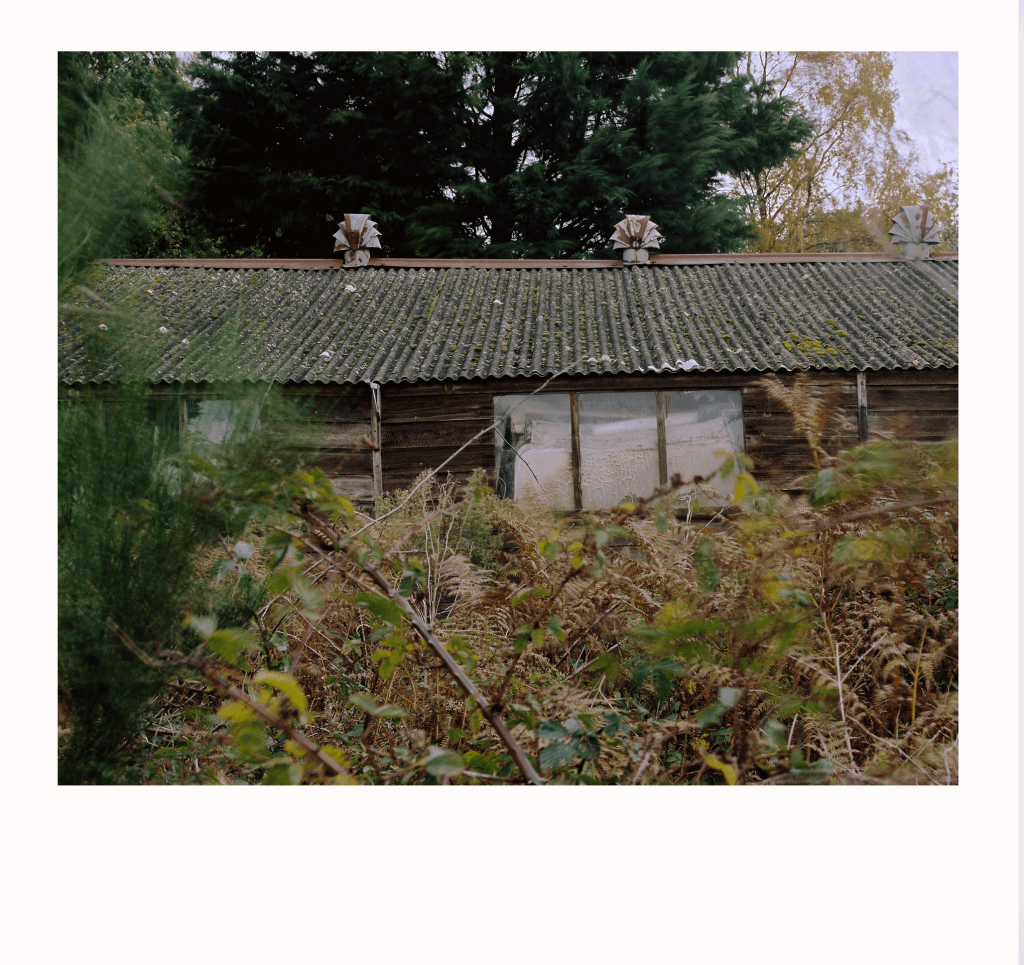
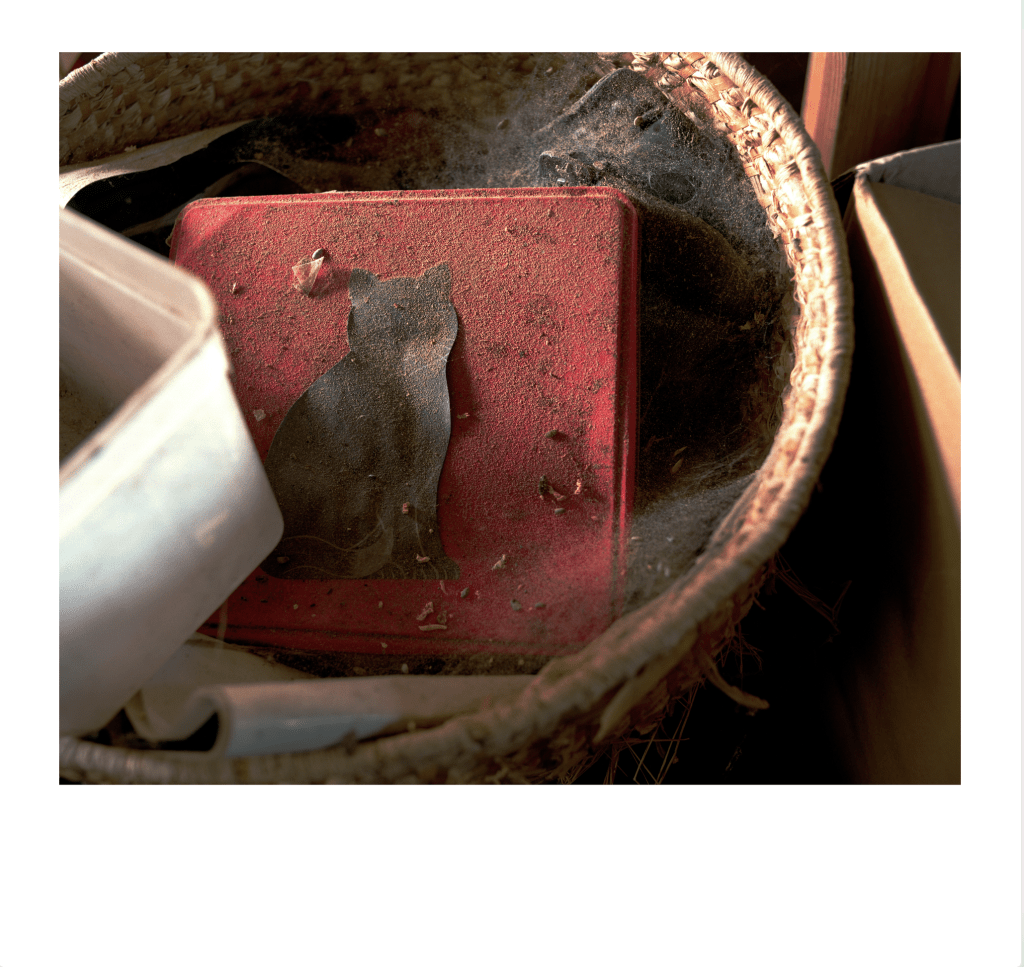
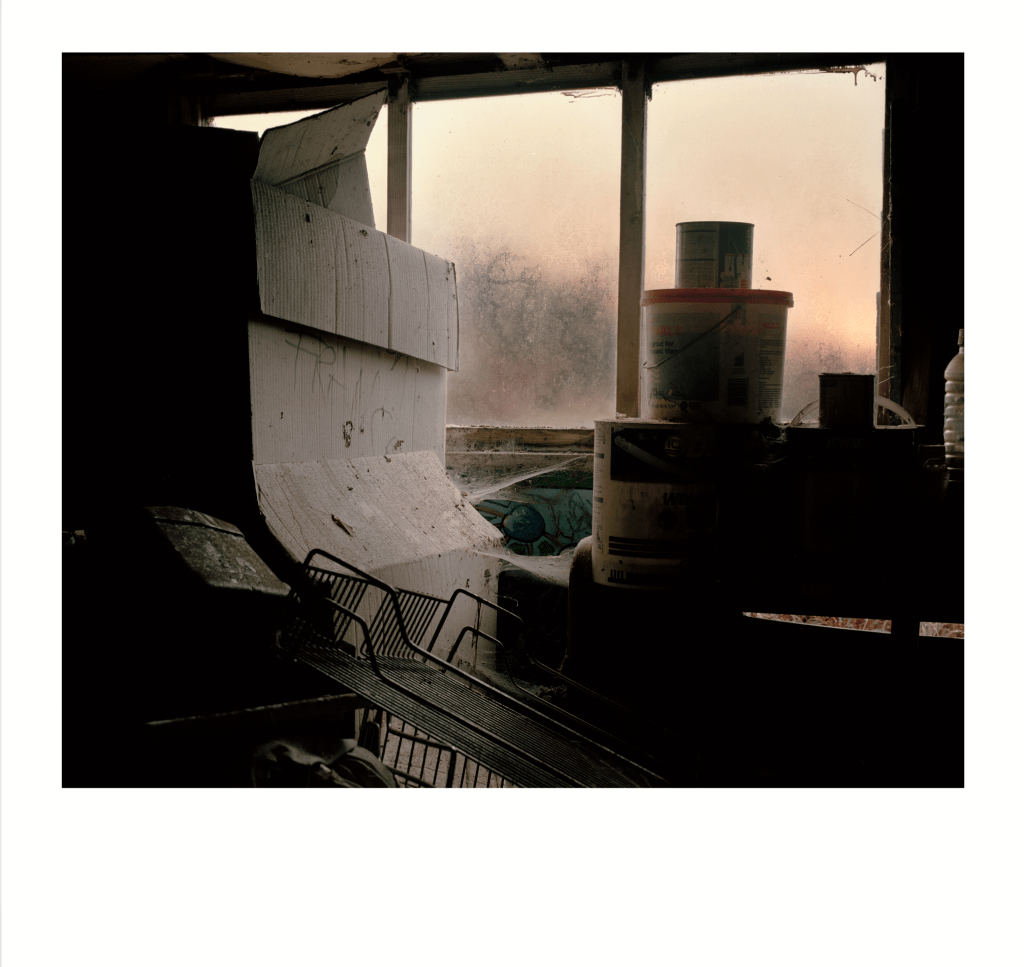
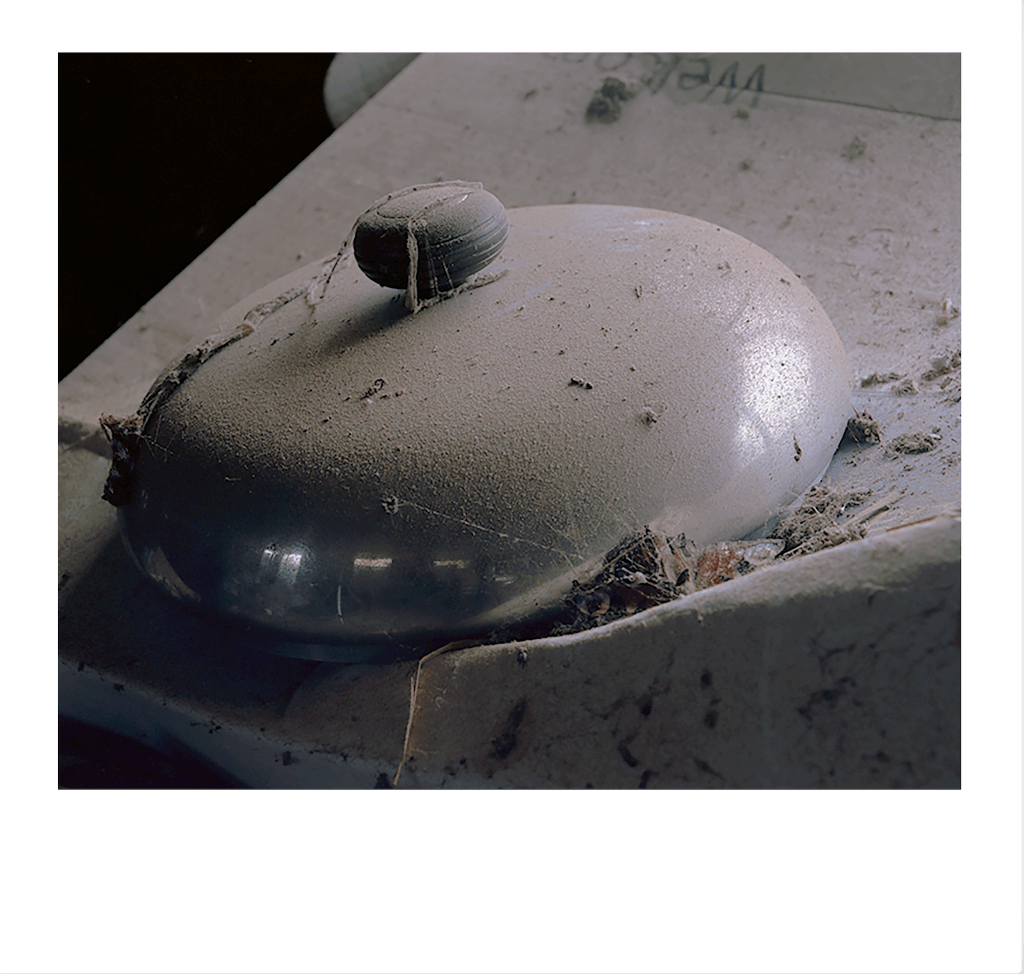
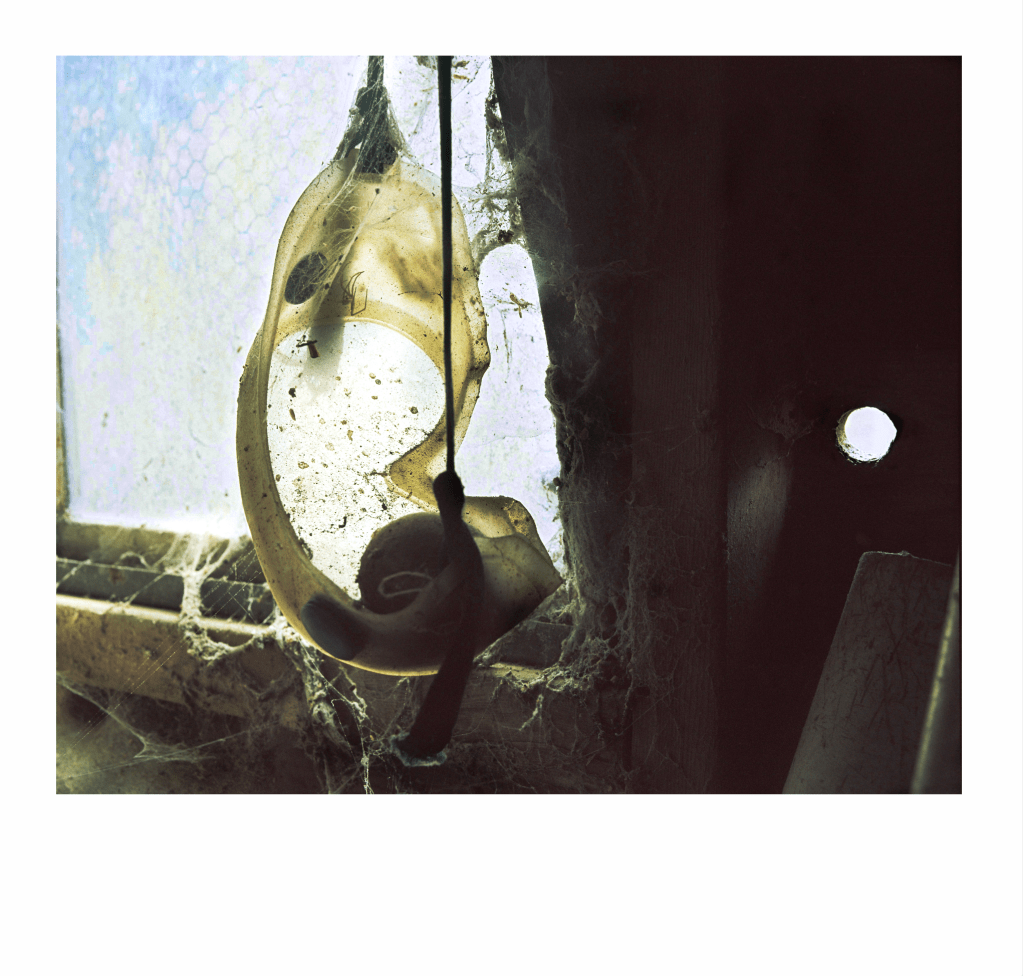
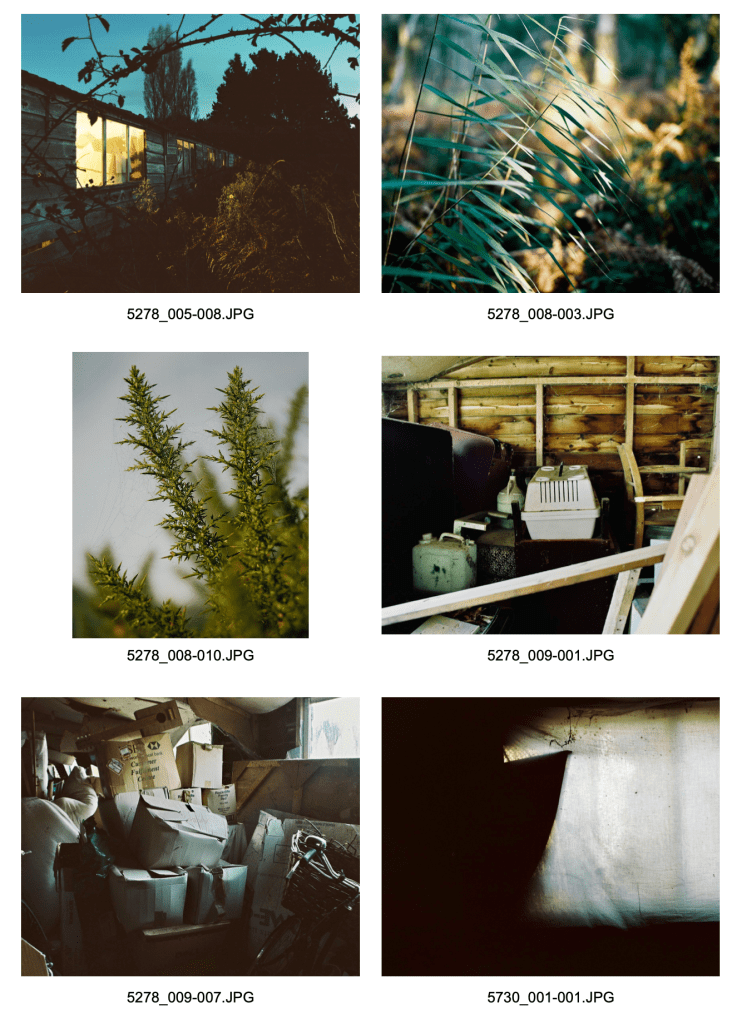
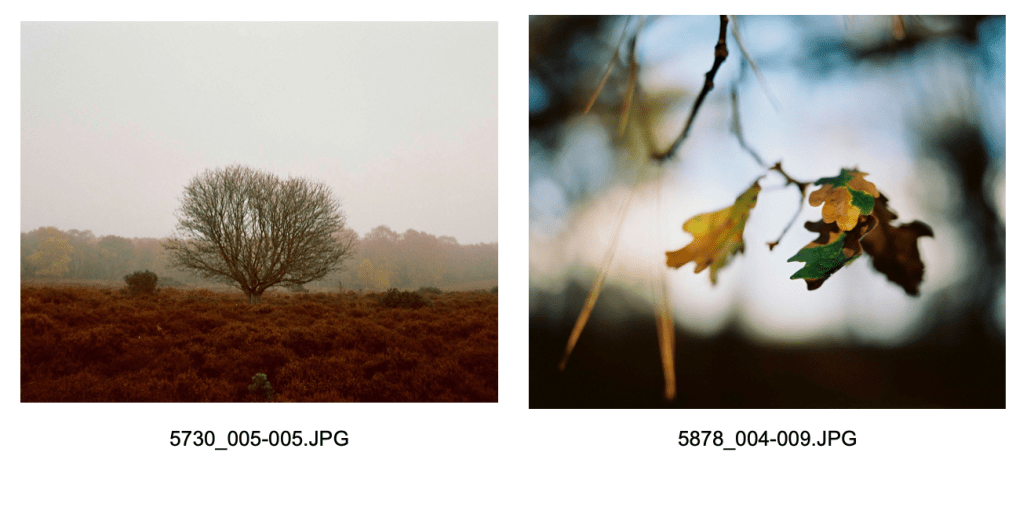
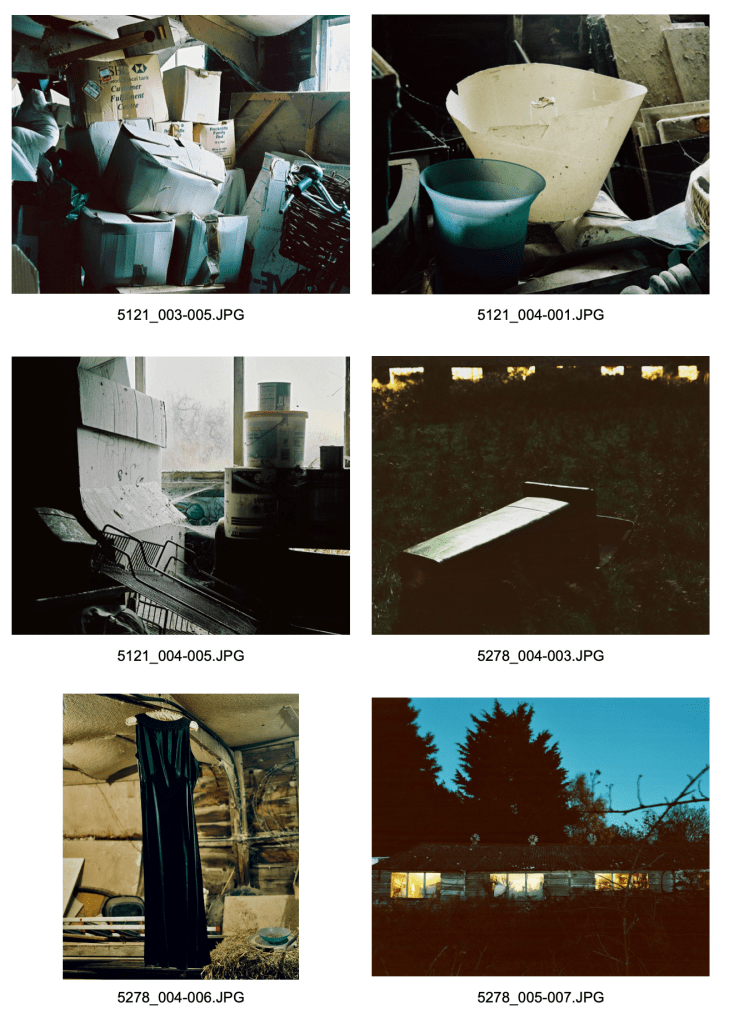
I am using my project “the winter garden” from last year. it was shot on the Mamiya rb67

Spent the day printing images for my portfolio with Lawrence, due to the problem with access to the printer and time constraints we were unable to do in-depth test strips for the images A couple of these images have issues with colour balance which I was unable to correct. I have included them in the portfolio because I believe their value in telling the narrative of the work overrides the issue. in a professional environment sometimes compromises have to be made to reach a dead line. I personally don’t mind the colour cast, I find them slightly etherial and would be happier including them them not.

I prepared all of the images at home and worked out all the sizing, dpi settings and canvas size, I chose a polaroid style farming because I like it and I guess in theory I would maybe include a signature or title at the bottom. I like the look most of all. there are 6 images here that I am really pleased with and its great to actually see them printed. actually felt quite excited!! probably going to use this project for the photobook module next year. I am also going to Update the website to include this new project.

here is a synopsis

The Winter Garden

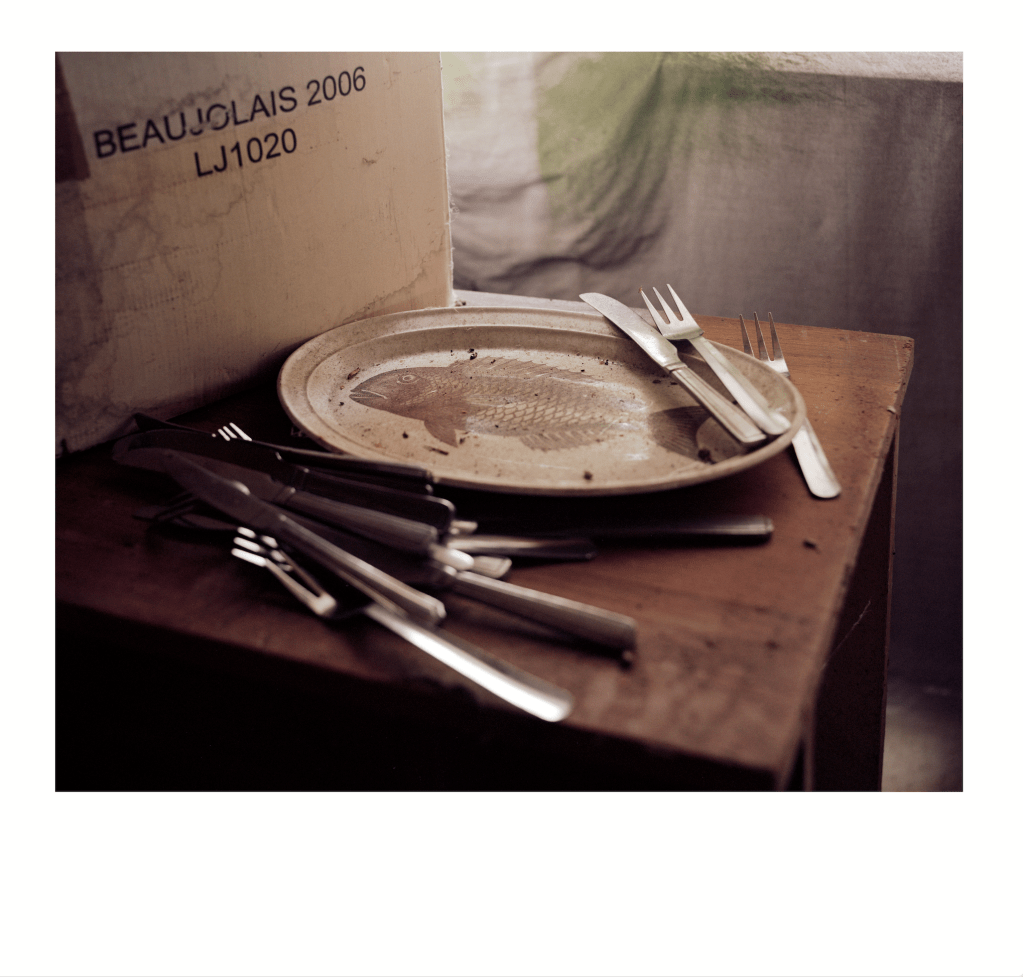
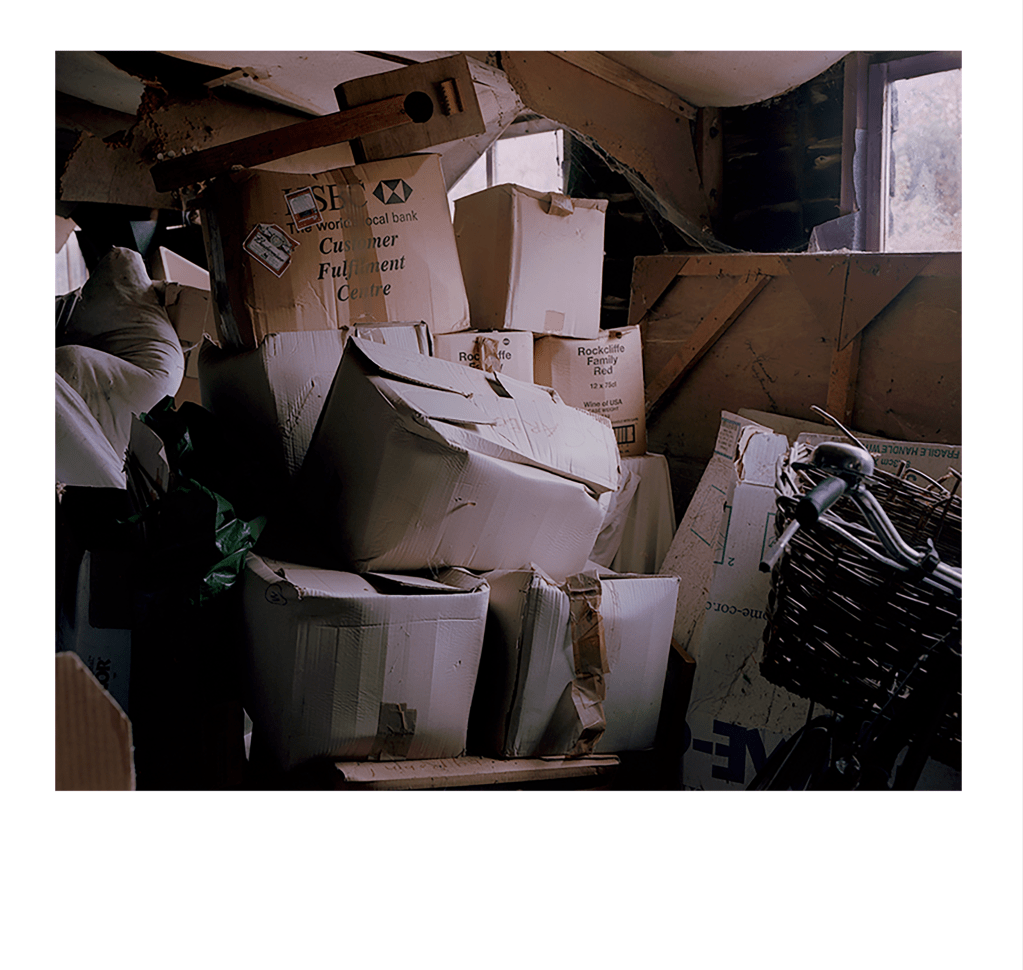
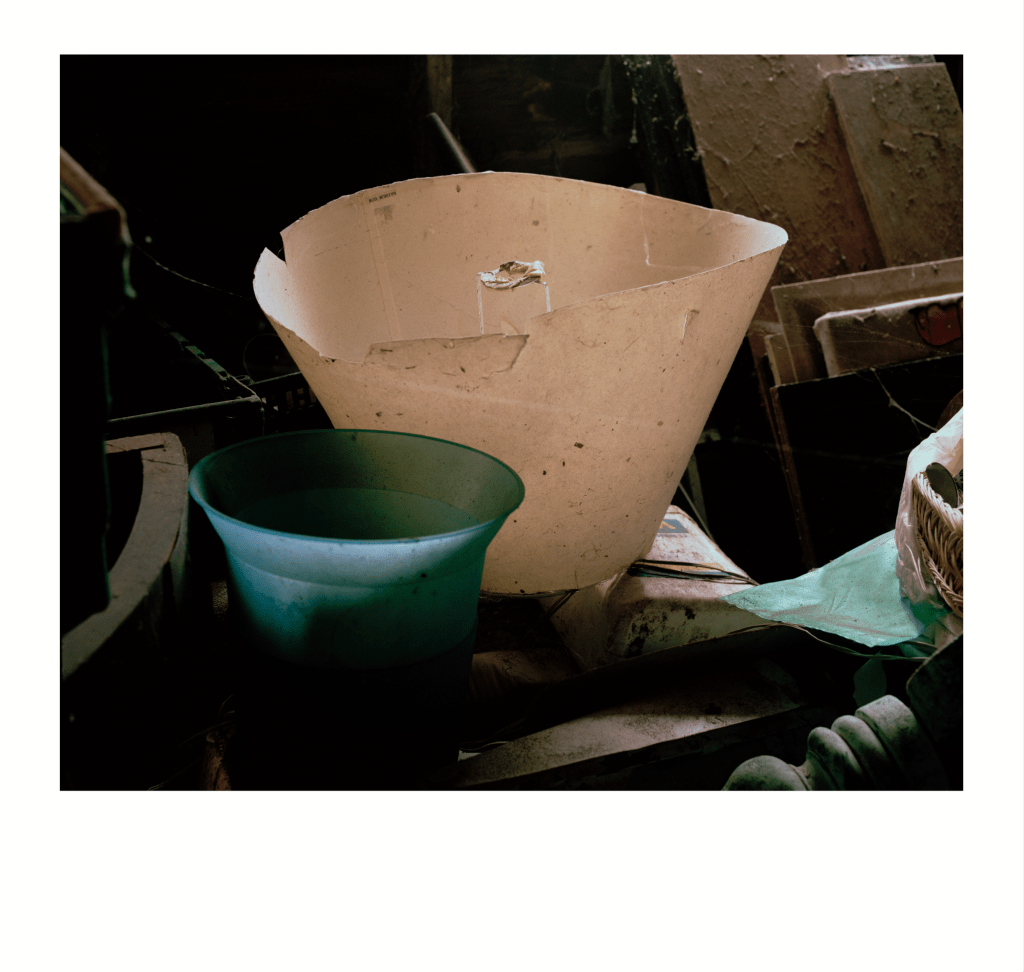
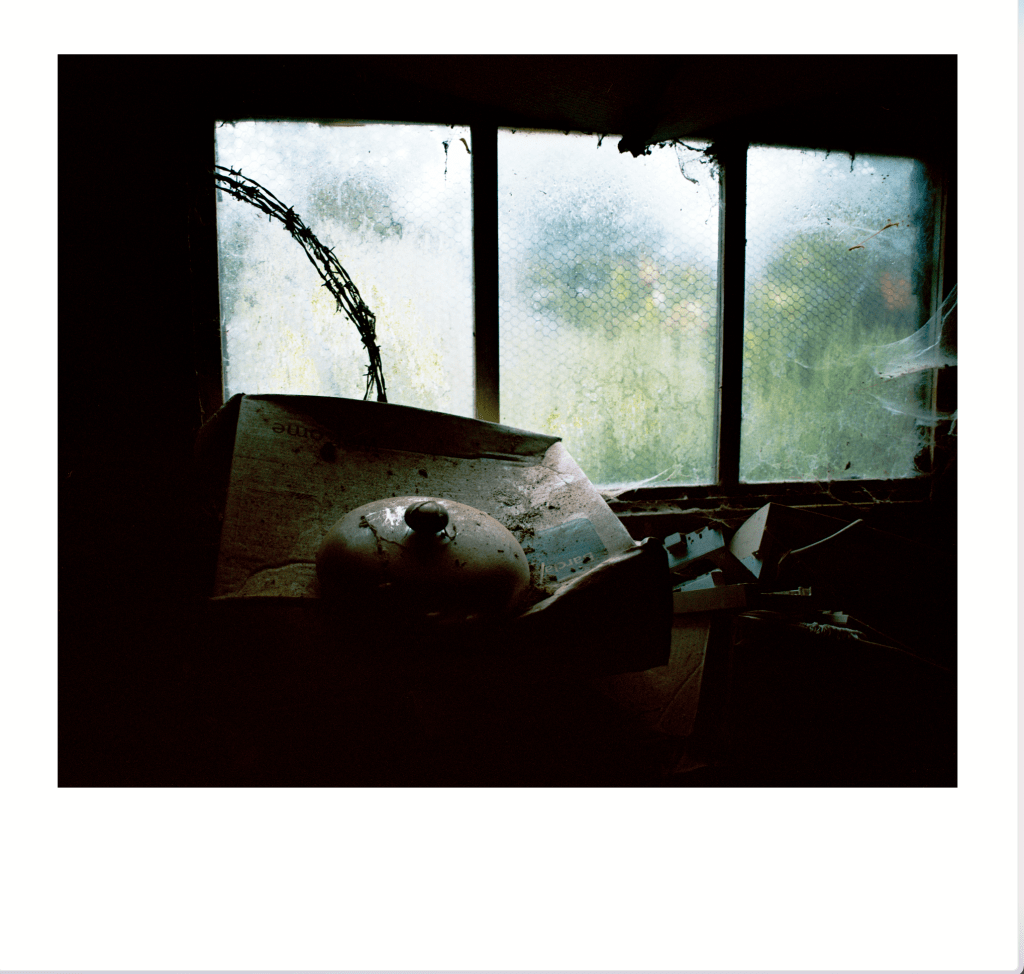
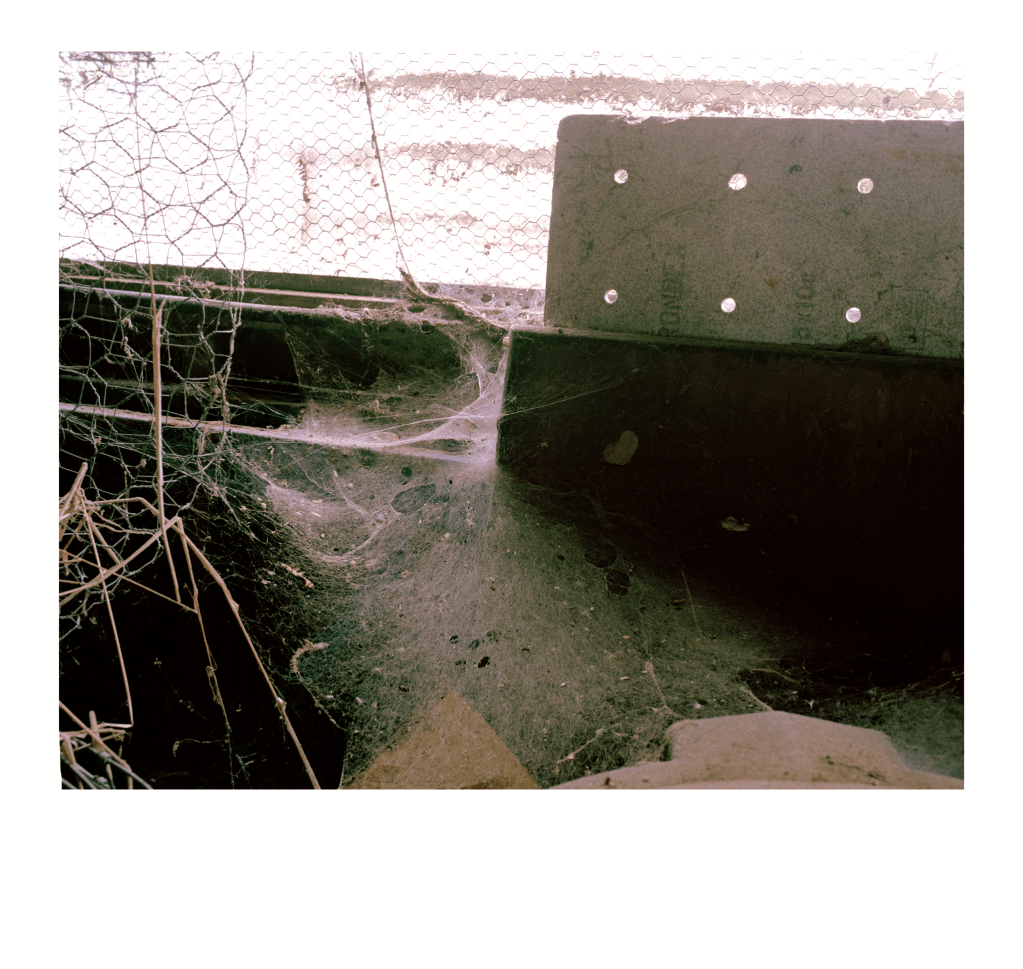
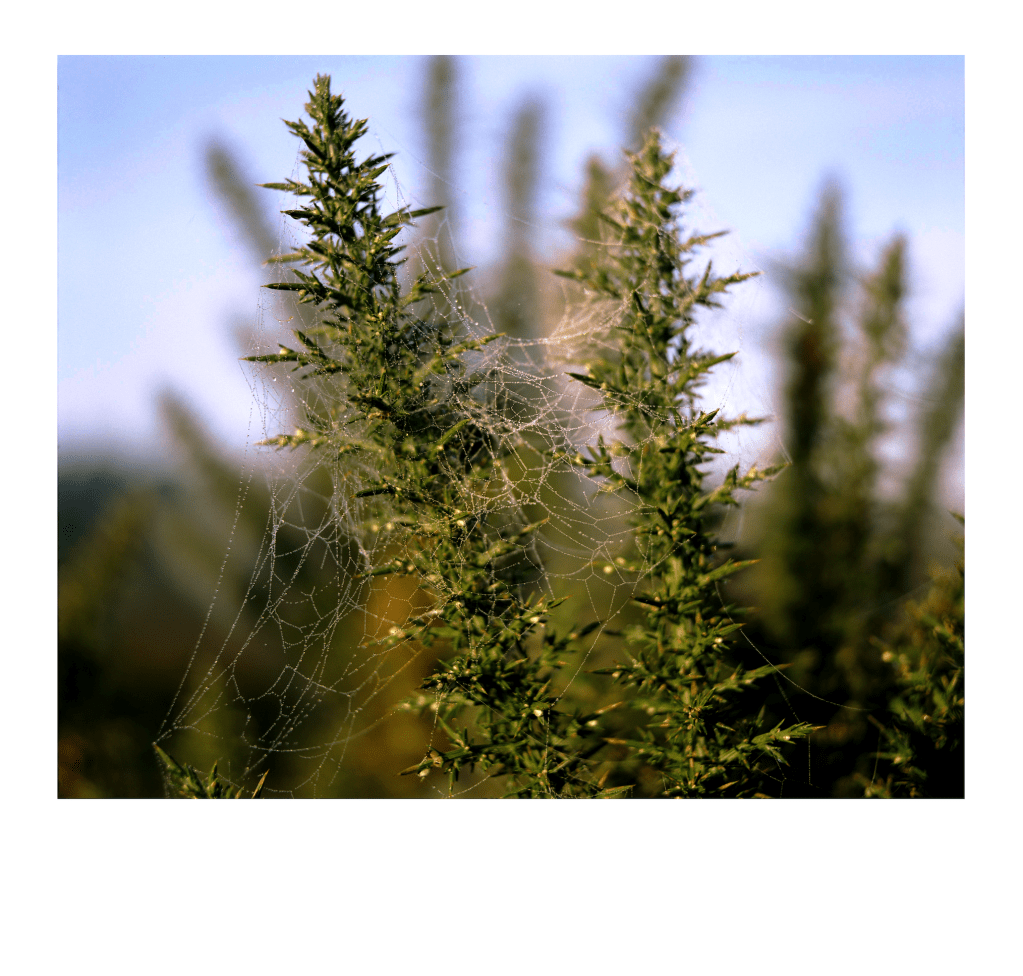
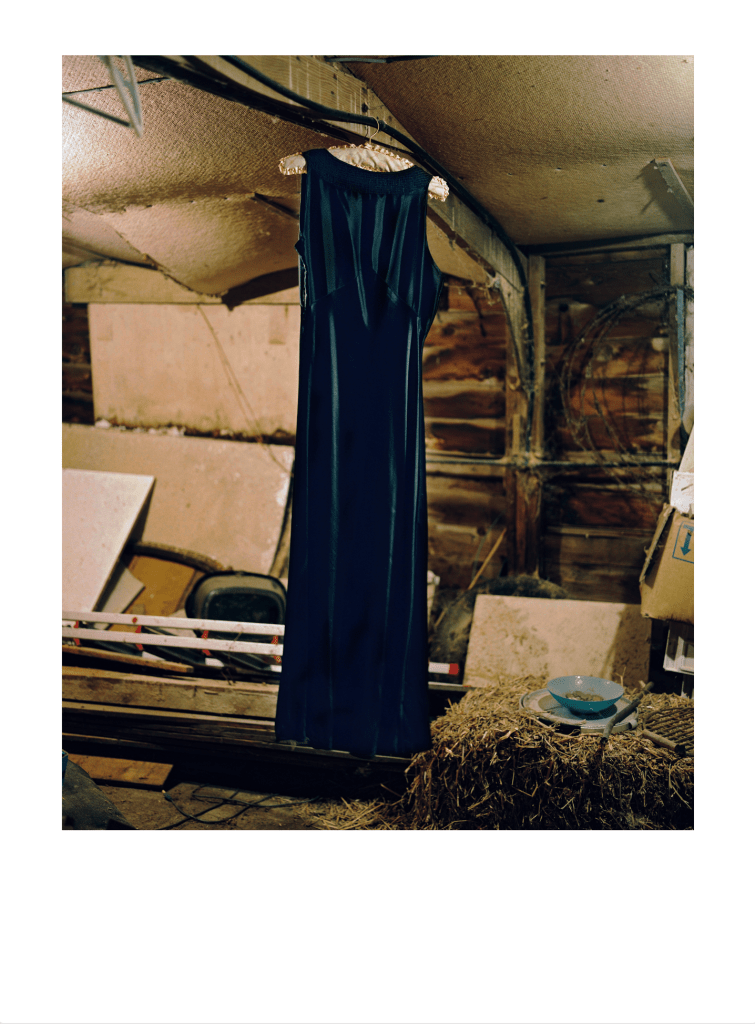
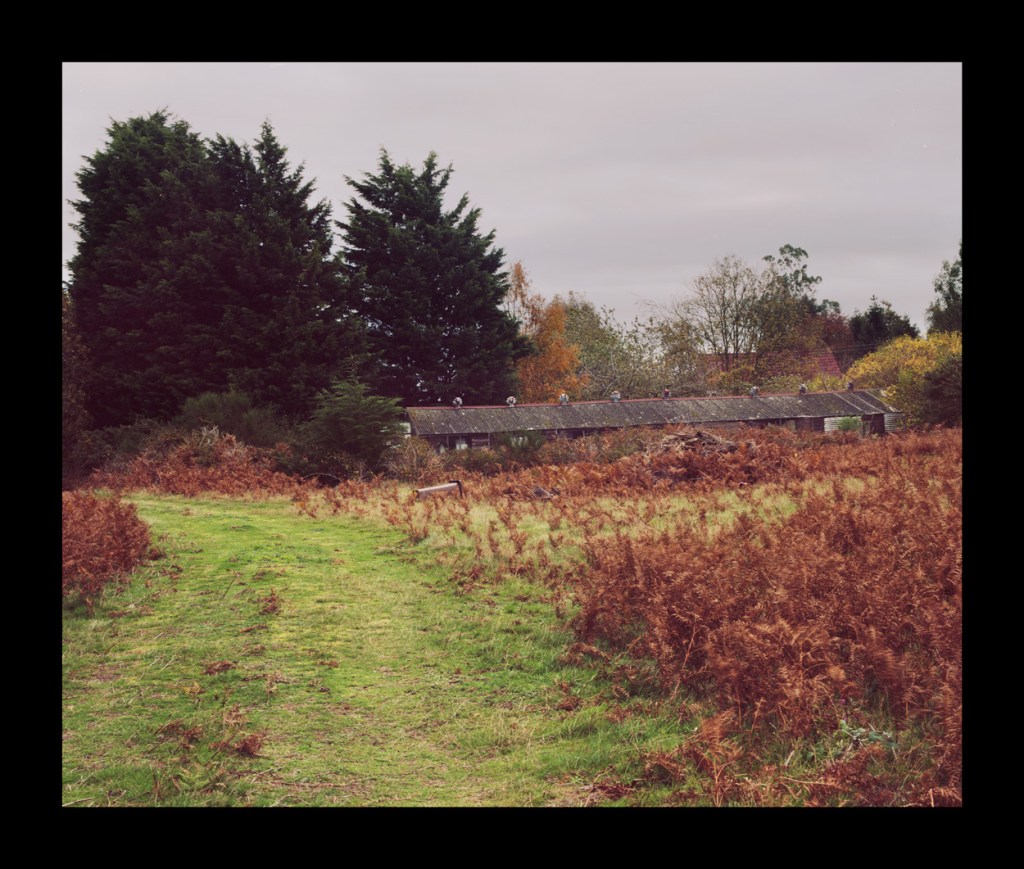
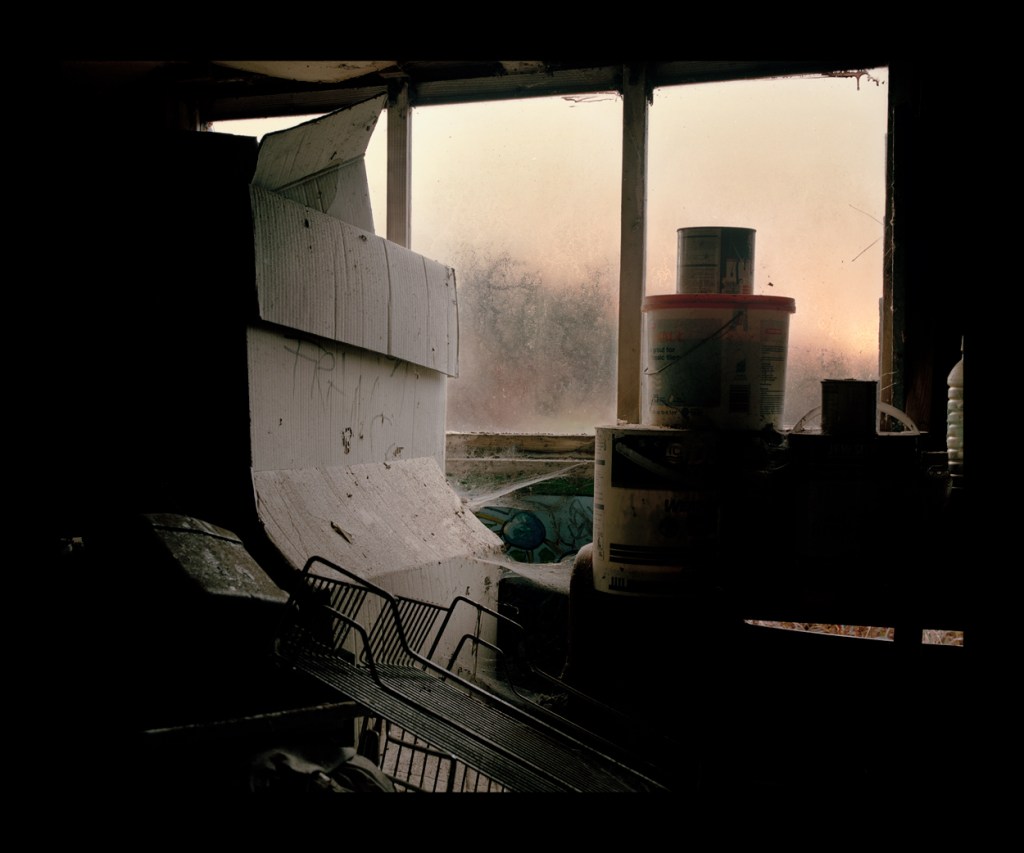
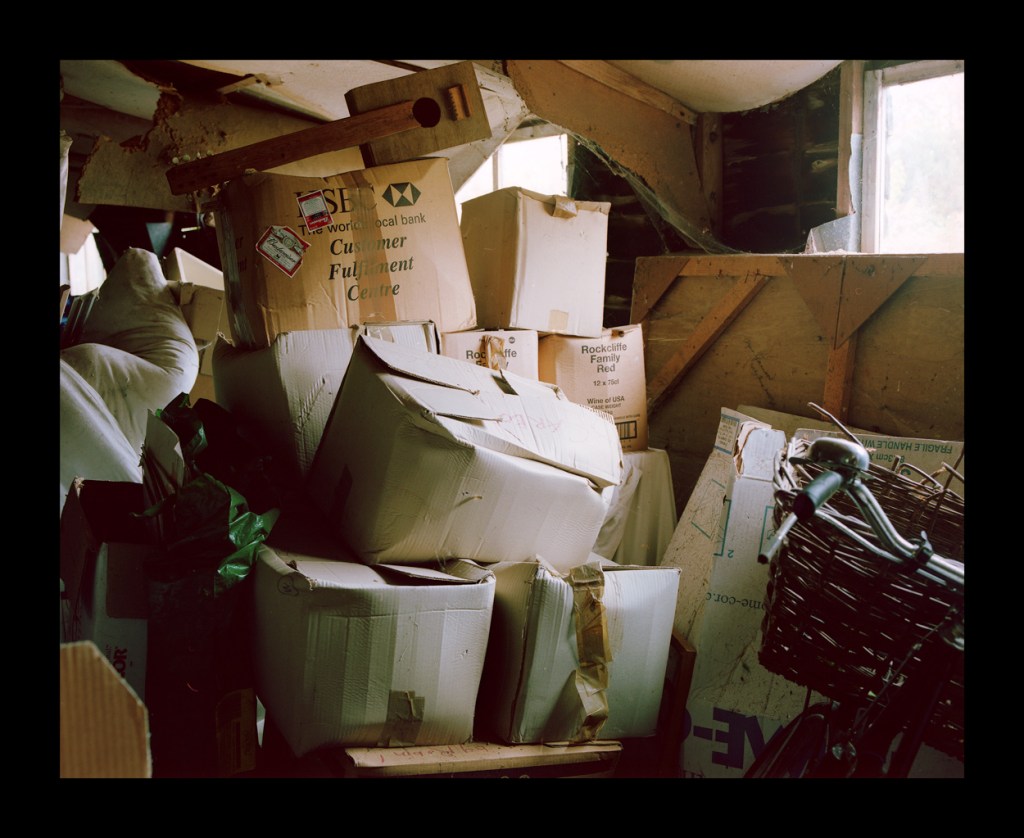
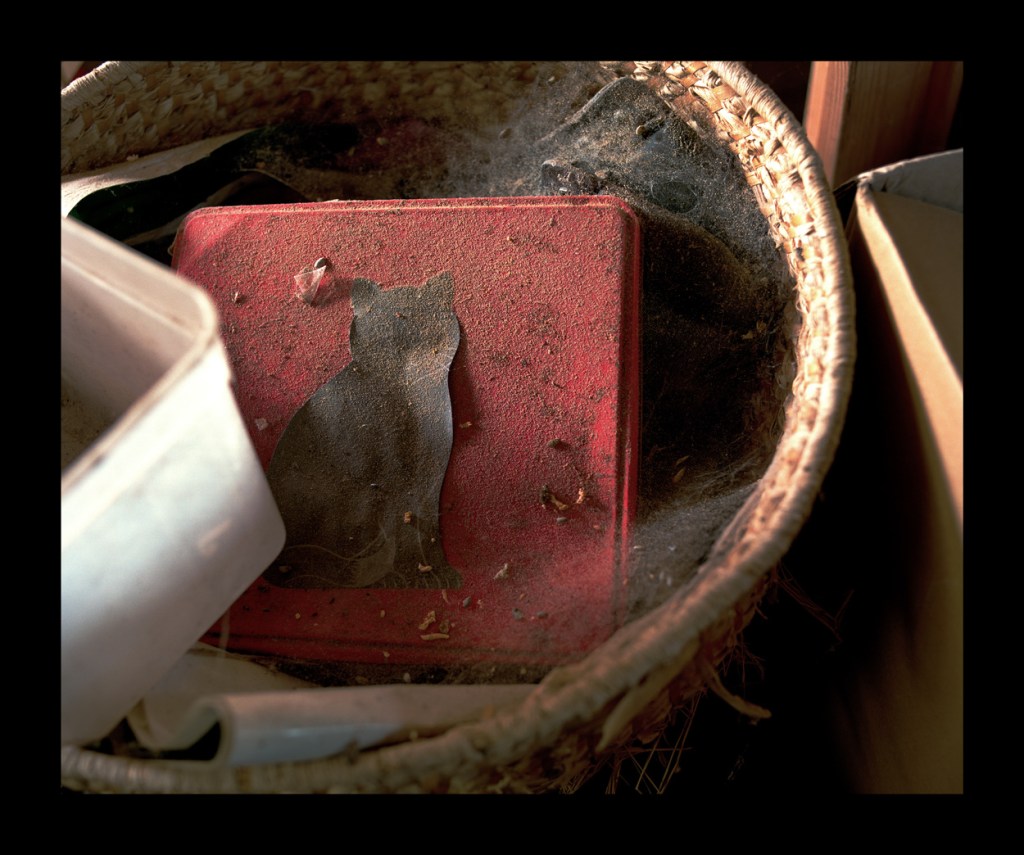
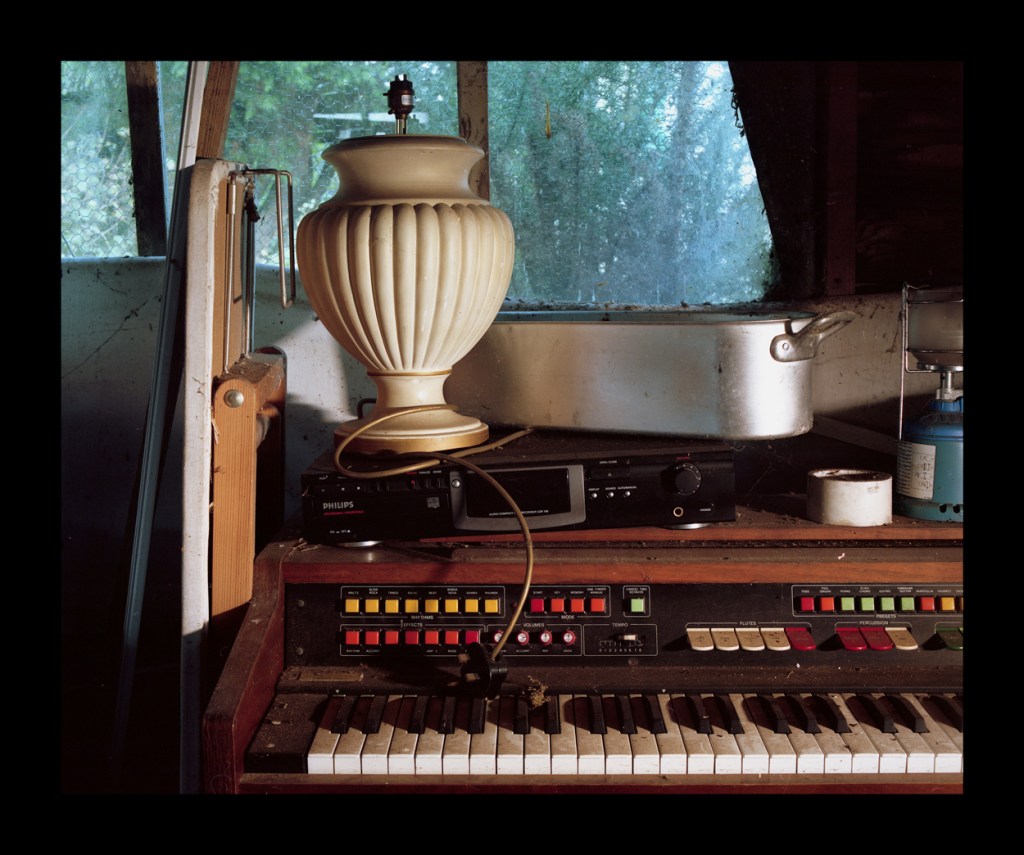
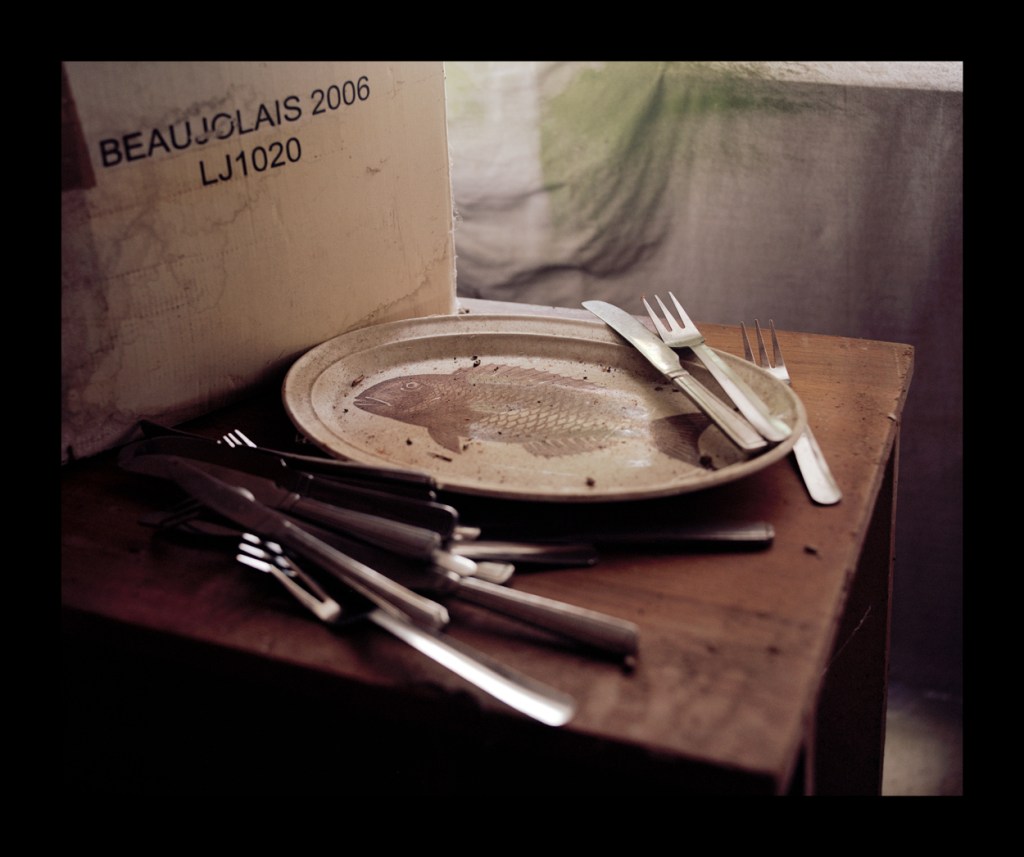
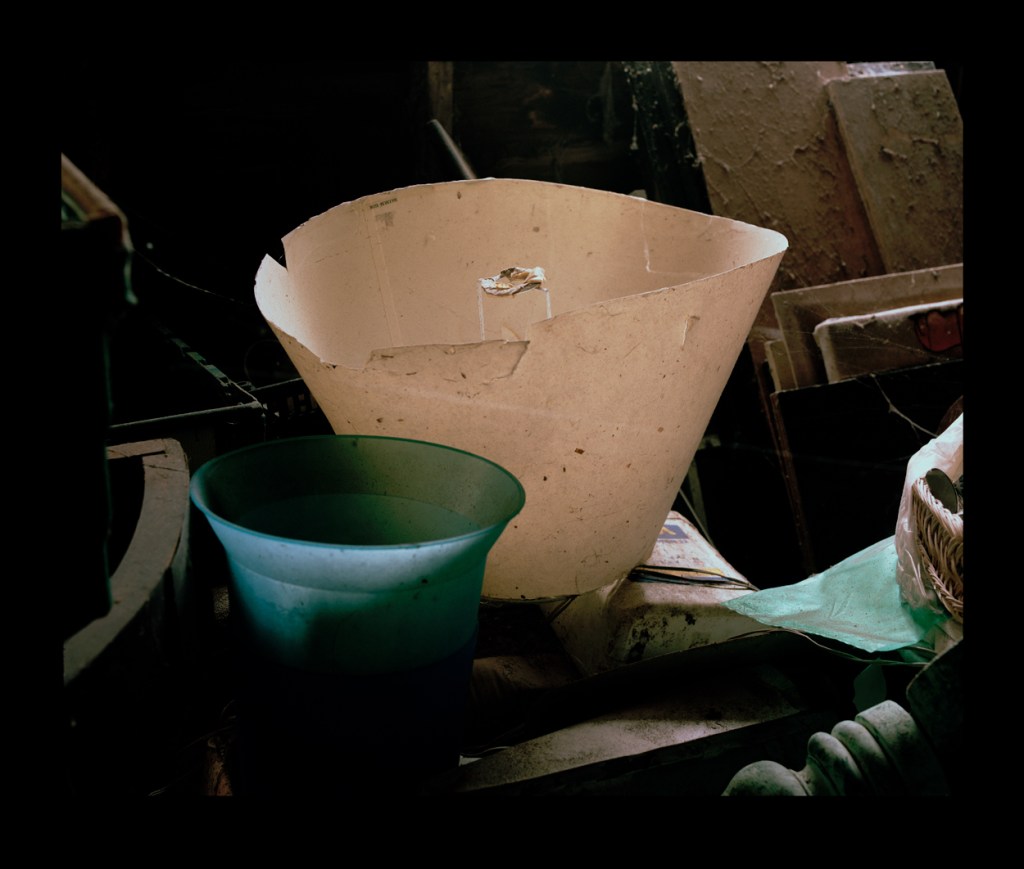
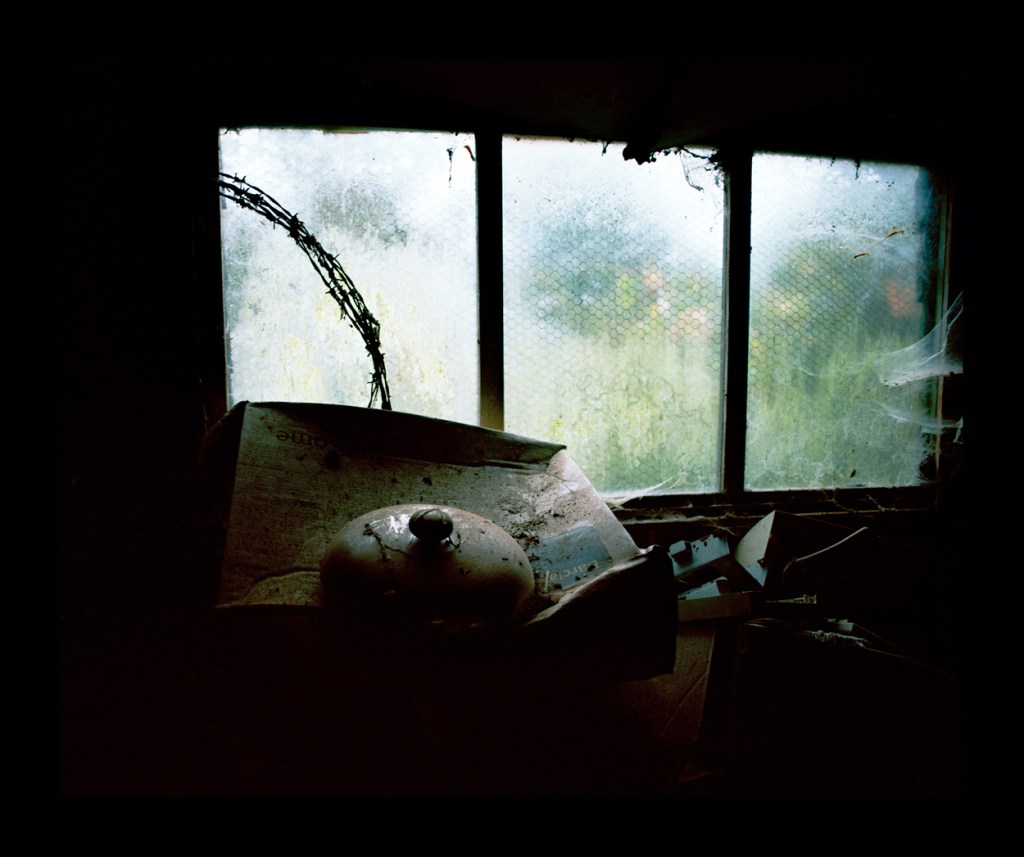
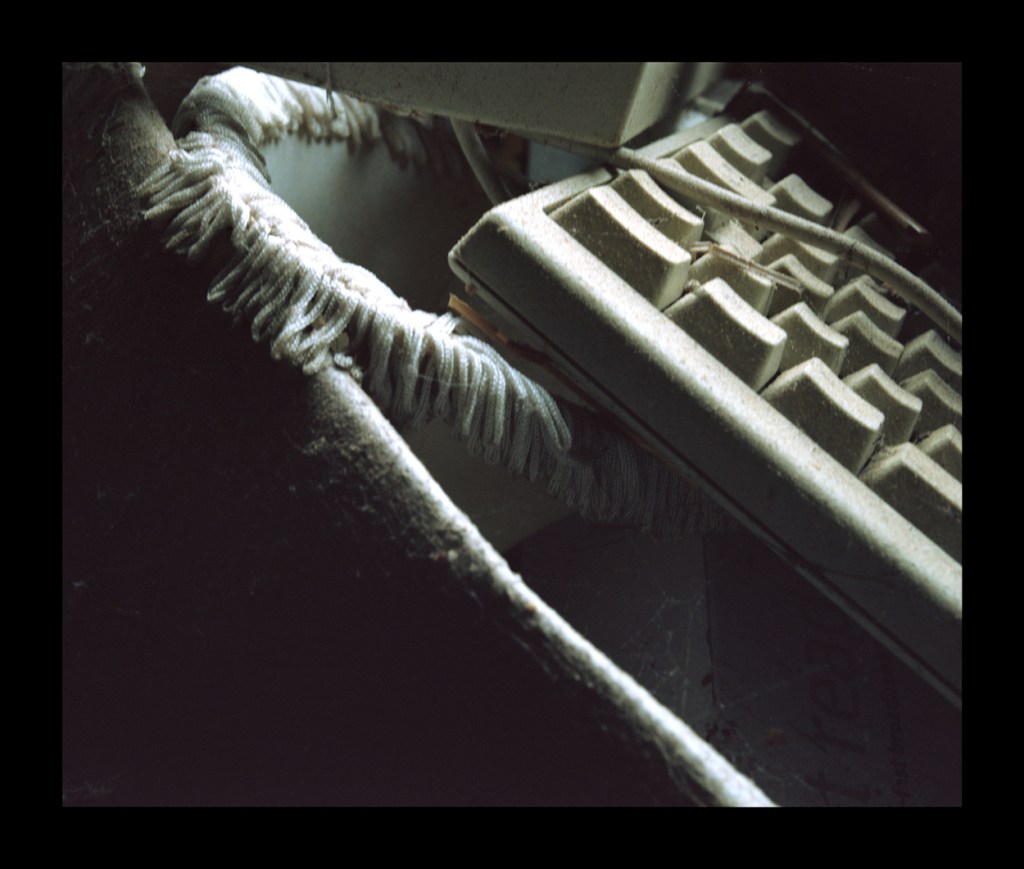
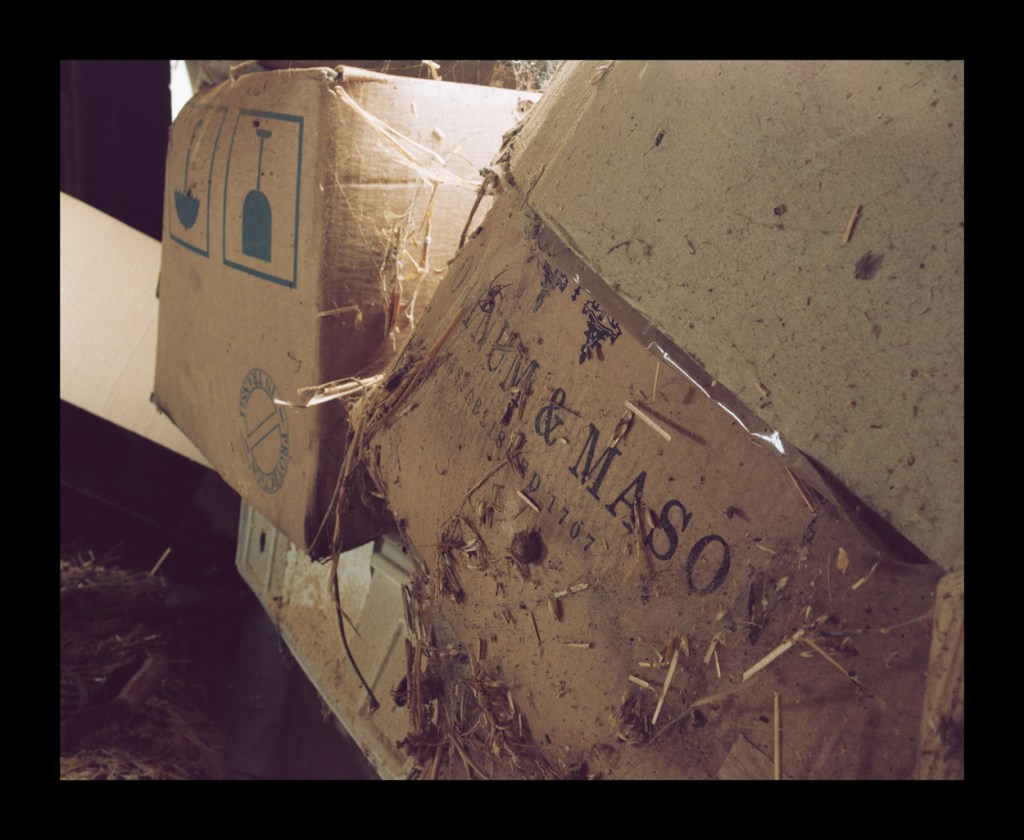
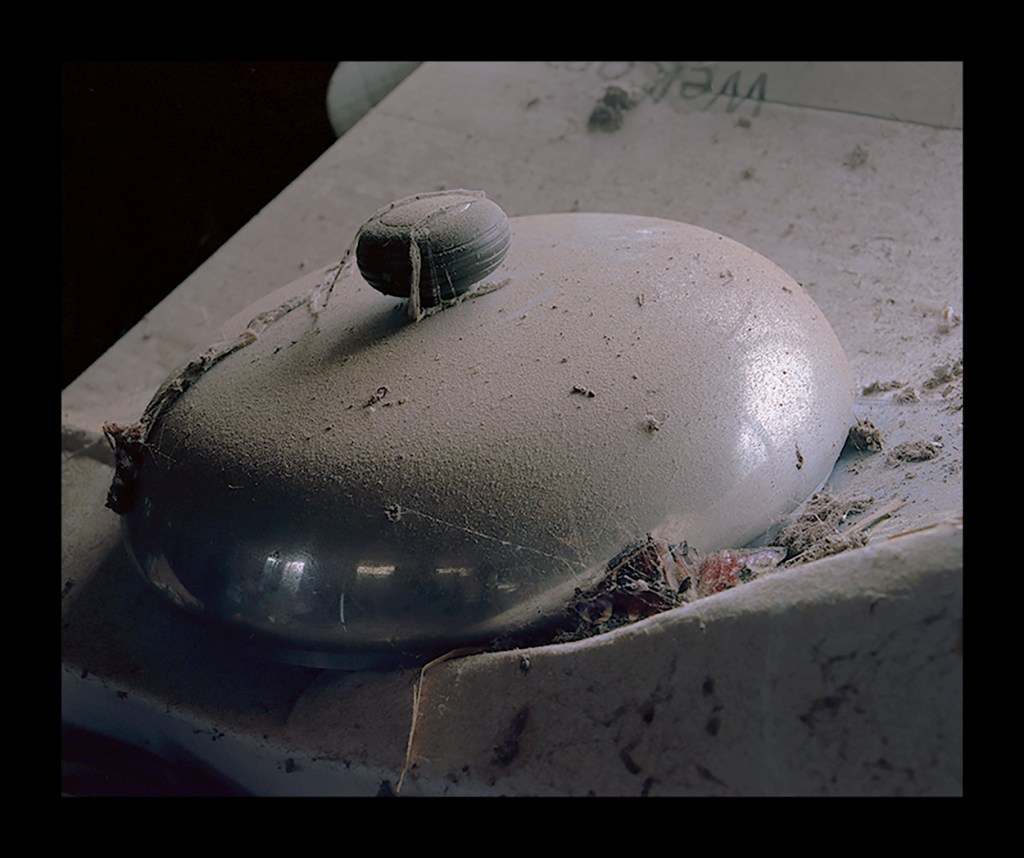
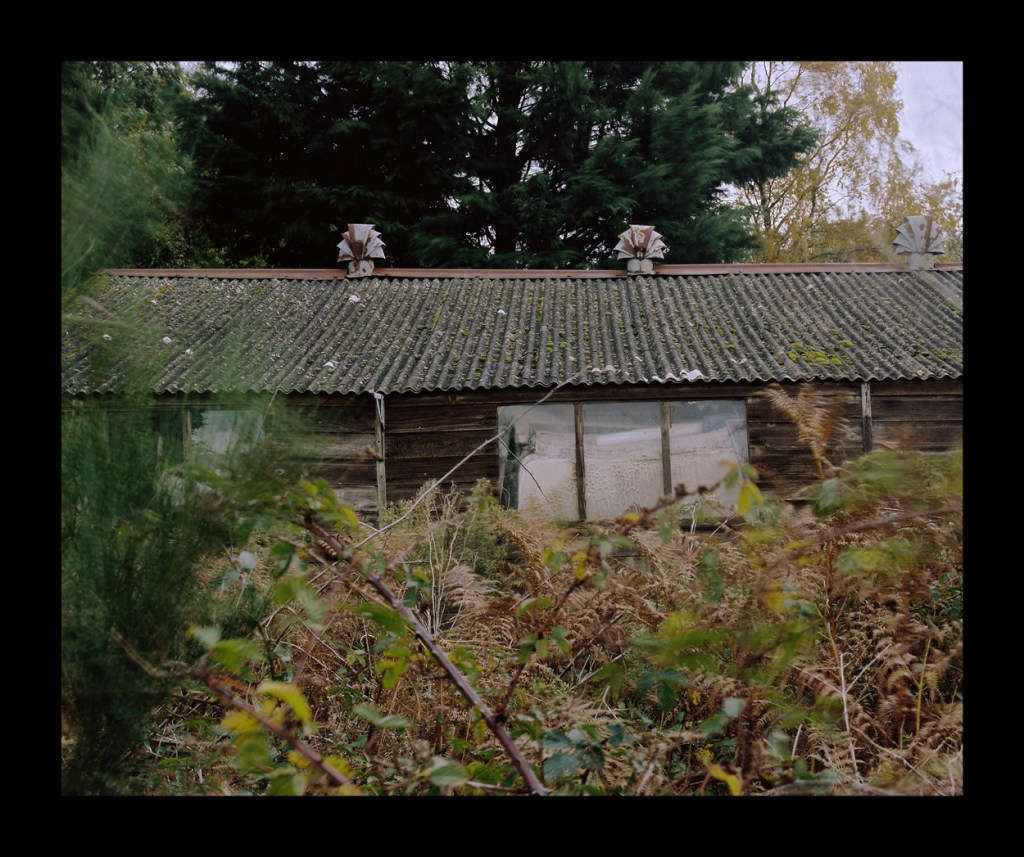
At the end of my garden is an old barn where I have been hoarding “stuff” since my mothers death in 2005. This project is about the stuff in my barn and why I have held on to it for 15 years. I hadn’t been into the barn for years and it was full to the brim, as I stared working on this project I realised that really the objects in my barn represented my grief. My mothers old lamp shade, her dinner plate, the lid to one of her saucepans. Many of these things are covered with years of dust and cobwebs yet in some way I believed that my mother lived on in these everyday objects and that if I kept them close to me I would feel safe. These objects had become a wall that I had created to hide away from loneliness and heart break.

At first I believed that if I photographed these items it would be a way of me keeping them as a photographic memory and that this process would allow me to let them go, take them to the recycling centre. As the weeks passed, the harder I looked, the more I realised that these objects were meaningless. They were just things bought from shops that nobody really needed. In our society where consumerism is almost our new religion I too had mistakenly attached emotions to objects with no value. My mother was not inside the dark barn, she was not the genie in the lamp. In fact her life force was all around me, in my heart and outside in the living landscapes of beautiful Suffolk. 
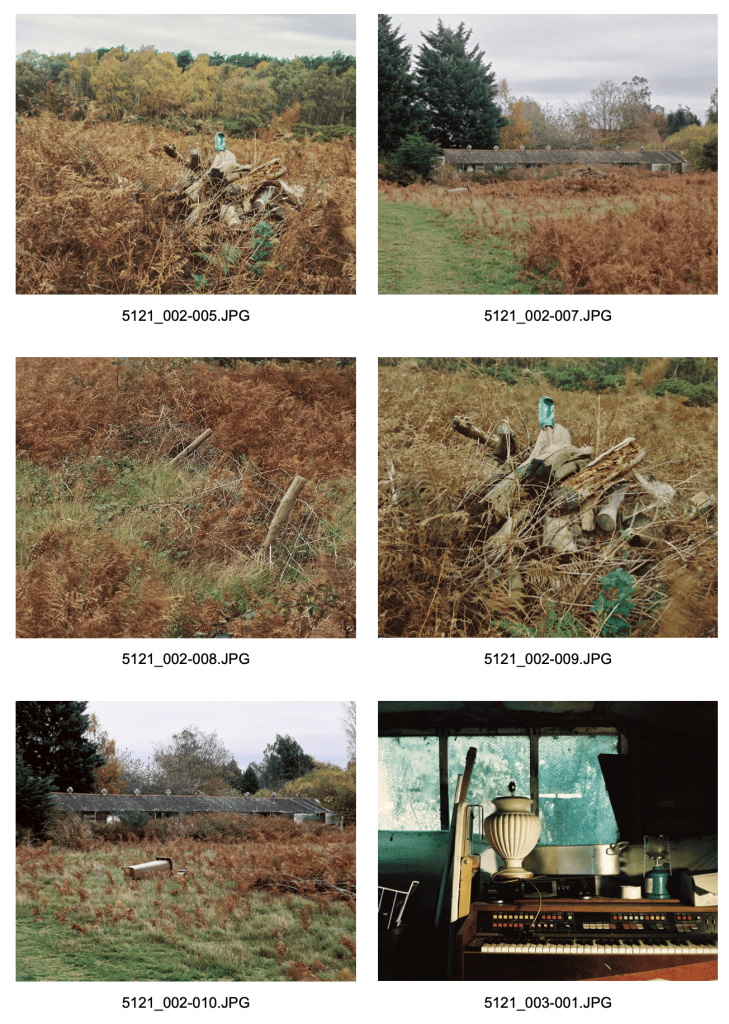
For me this project has turned out to be art therapy in its truest sense, it has given me chance to explore my grief and ultimately find strength and freedom. 

with in the portfolio I am also going to include the about section I wrote for the website.

Portfolio and Web site update 11/2021

Managing and updating the website is important to keep the site professional. last year I uploaded two projects on to the site and wanted to add my latest project “mementoes”. I also used these images for my portfolio and felt it was important that my website reflected my portfolio.

This project was shot on medium formate Kodak porta 160 with my Mamiya RB67. All the negatives were scanned at the university and I have processed them in photoshop. I had to create two separate file types one for printing and one for the web. My printing files were quite large and had a width of 16 inches and I used a white polaroid type framing. The website needs a much smaller file size so that it will upload relatively quickly, I used an image size with a width of 1250 pixels and made sure all my files were under 500 K. For the website I changed the boarder to black to fit the graphic style of the site, I prefer the white boarder and have used this in my portfolio.

Synopsis

The winter Garden

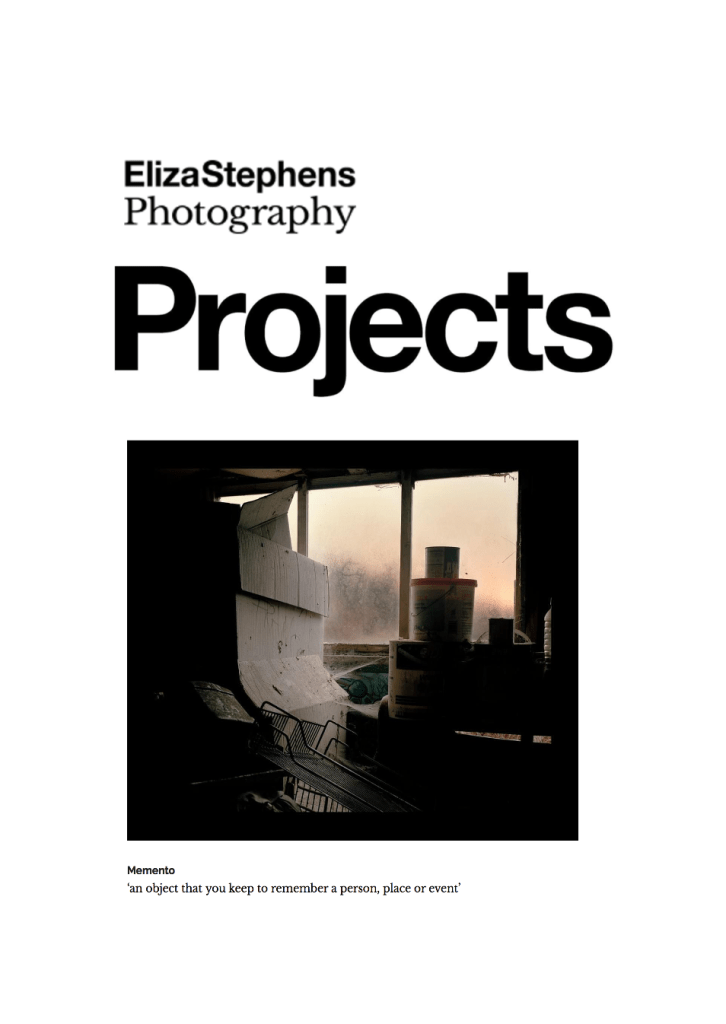
Memento – ‘an object that you keep to remember a person, place or event’. 

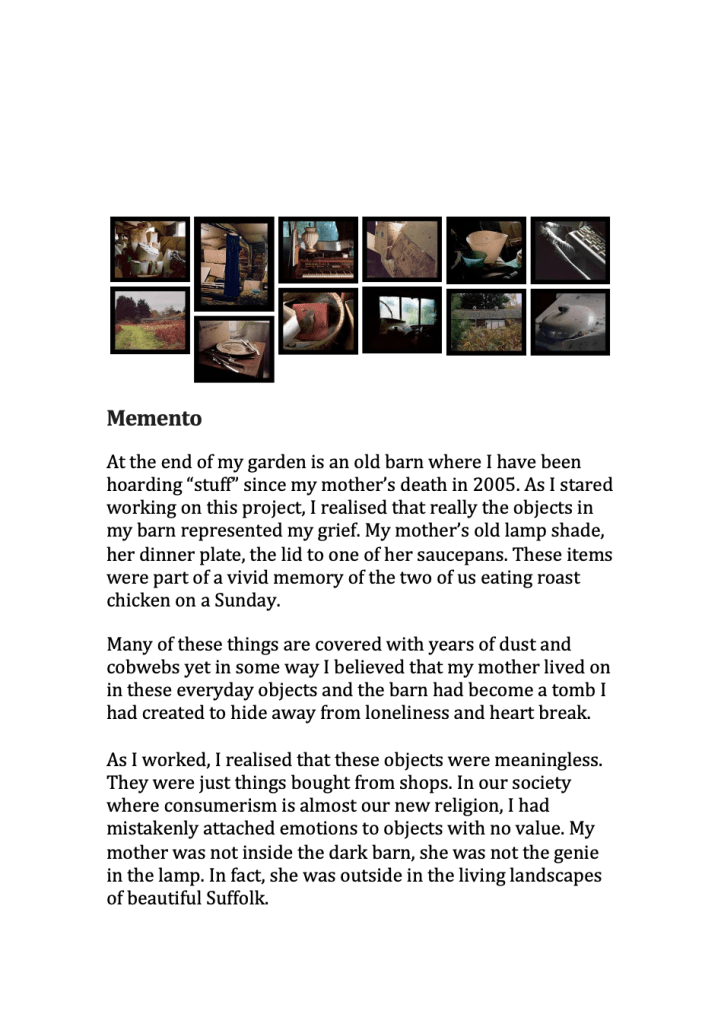
At the end of my garden is an old barn where I have been hoarding “stuff” since my mother’s death in 2005. As I stared working on this project, I realised that really the objects in my barn represented my grief. My mother’s old lamp shade, her dinner plate, the lid to one of her saucepans. These items were part of a vivid memory of the two of us eating roast chicken on a Sunday. 

Many of these things are covered with years of dust and cobwebs yet in some way I believed that my mother lived on in these everyday objects and the barn had become a tomb I had created to hide away from loneliness and heart break. 

As I worked, I realised that these objects were meaningless. They were just things bought from shops. In our society where consumerism is almost our new religion, I had mistakenly attached emotions to objects with no value. My mother was not inside the dark barn, she was not the genie in the lamp. In fact, she was outside in the living landscapes of beautiful Suffolk. 

These images are now what remain and they have become my “Winter Garden Photograph” Like Roland Barthes search for a photograph of his mother in Camera Lucida I have captured my fondest memory, Roast chicken with my Mother.

Choosing my portfolio presentation style

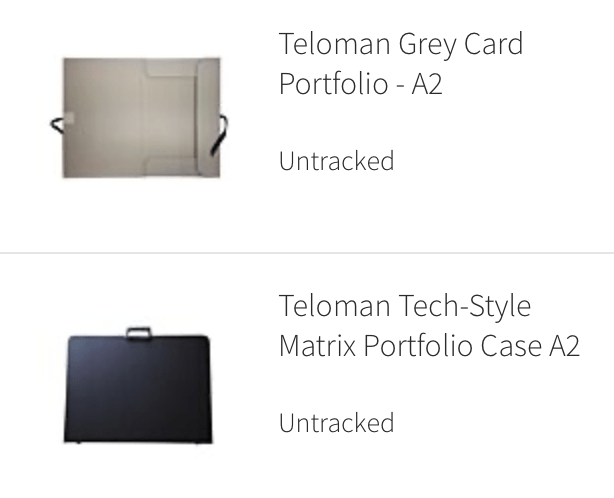
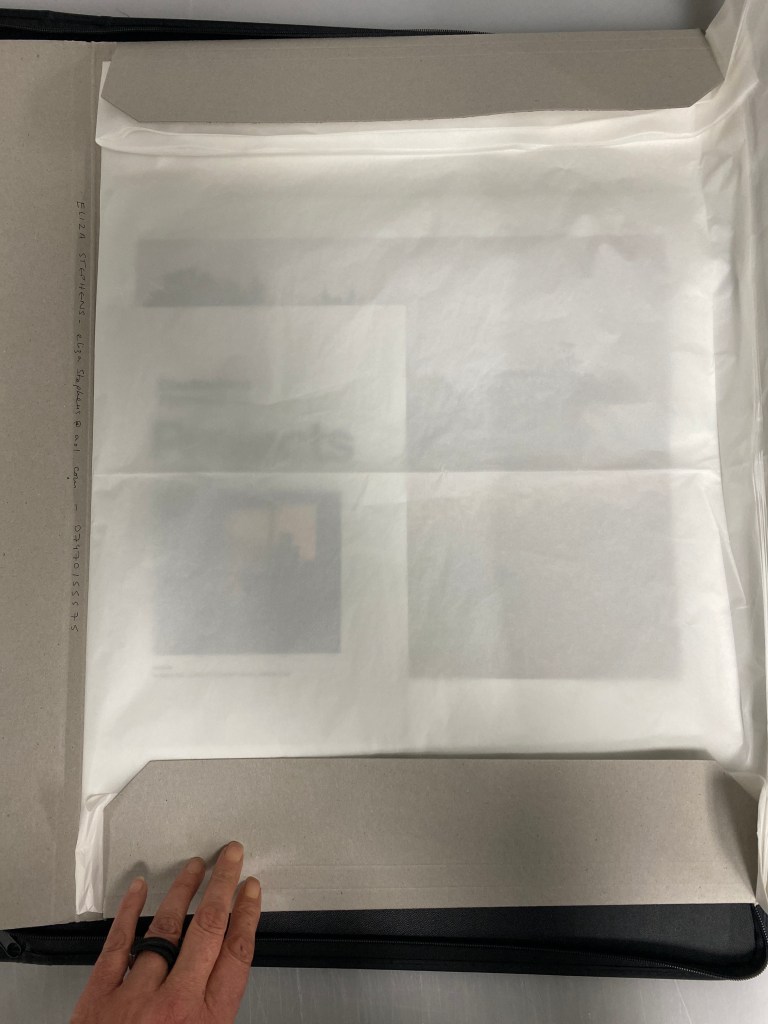
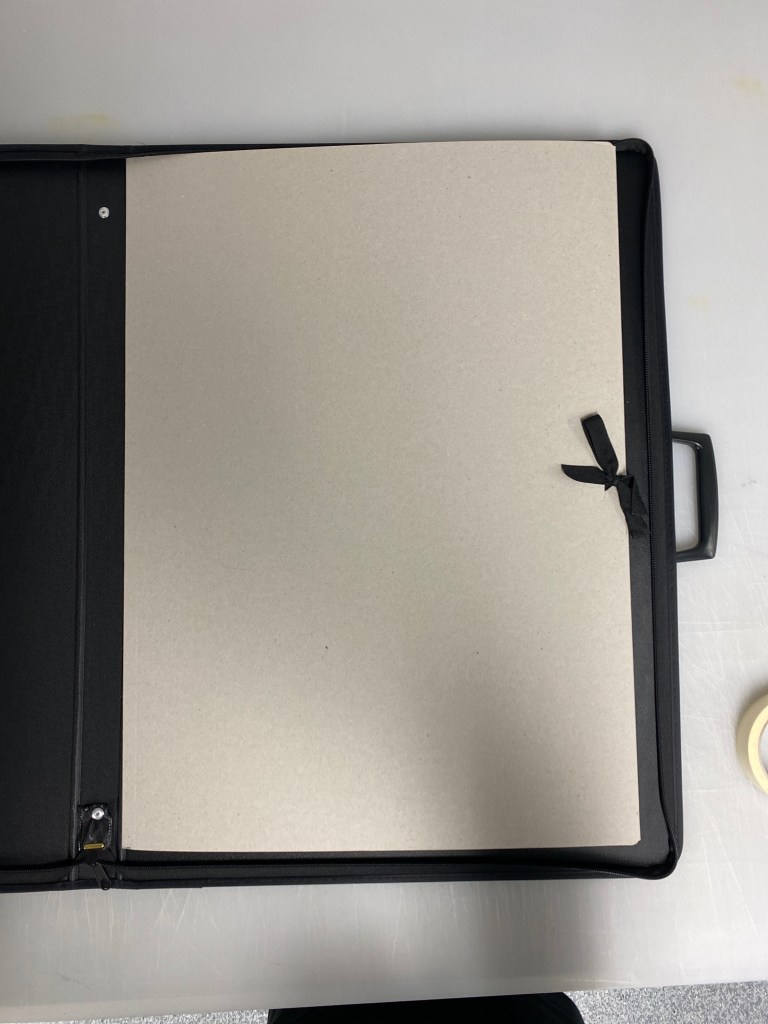
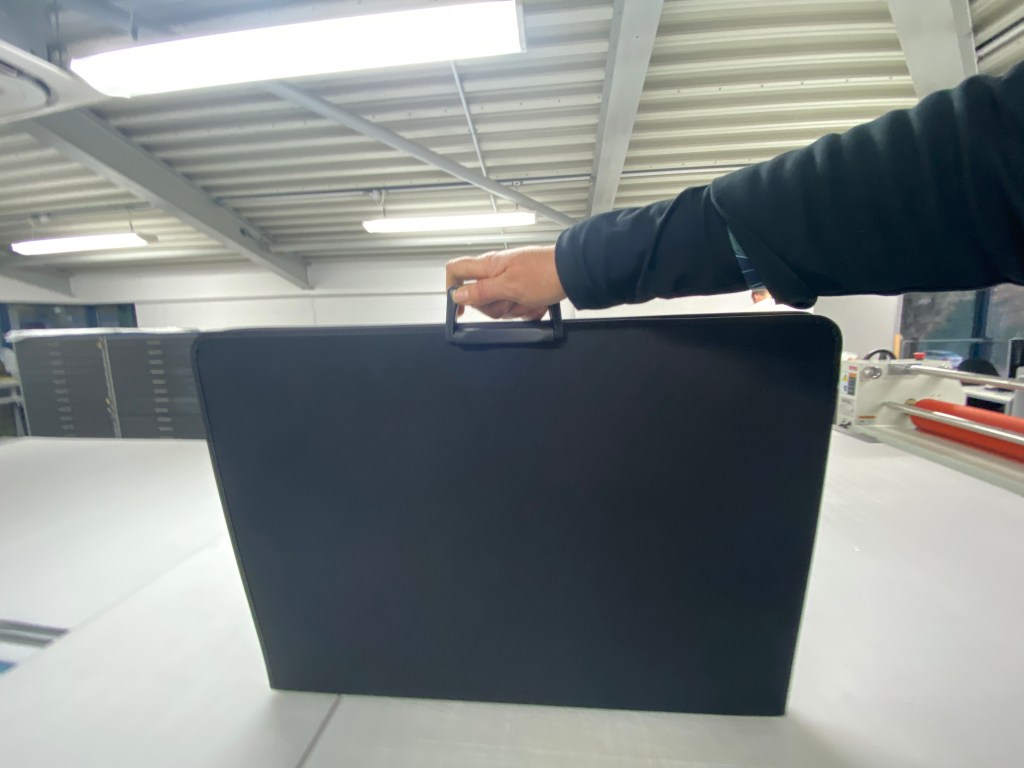
I am really pleased with my prints and when I thought about presenting the portfolio I wanted to have an environmentally responsible, tactile experience for my viewer. I choose a simple utilitarian portfolio box with an inner recyclable paper Sleeve to hold the prints. I also wrapped the prints in tissue paper to give it the feeling of a present and to show the care I had given to my prints. I had stored the prints in a large A2 plastic sleeve book But for presentation I wanted the viewer to handle the prints and have a tactile experience. I even took care tying the bow on the paper sleeve. I also enclosed a small print from my latest project about neurodiversity. On this print I wrote a handwritten note thanking the viewer for their time and added my contact details, a bit like a business card.

Within the portfolio I enclosed a small document with a synopsis of the project I am presenting, an About section and a brief summery of other projects I have worked on. The idea his to make my portfolio stand out and to interest the viewer. I used screen shots from my wedsite so as to keep a constant graphic stlye across all my platforms. website, instagram and the portfolio.there is a download of this document below and some reference screen shots in the gallery

EDIT for portfolio

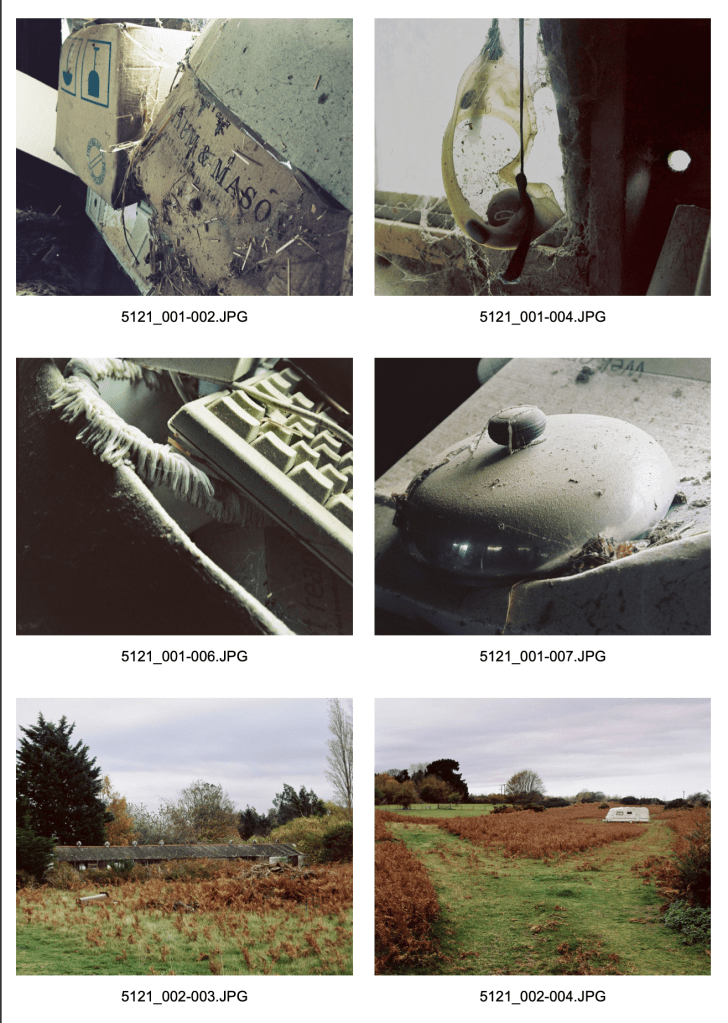
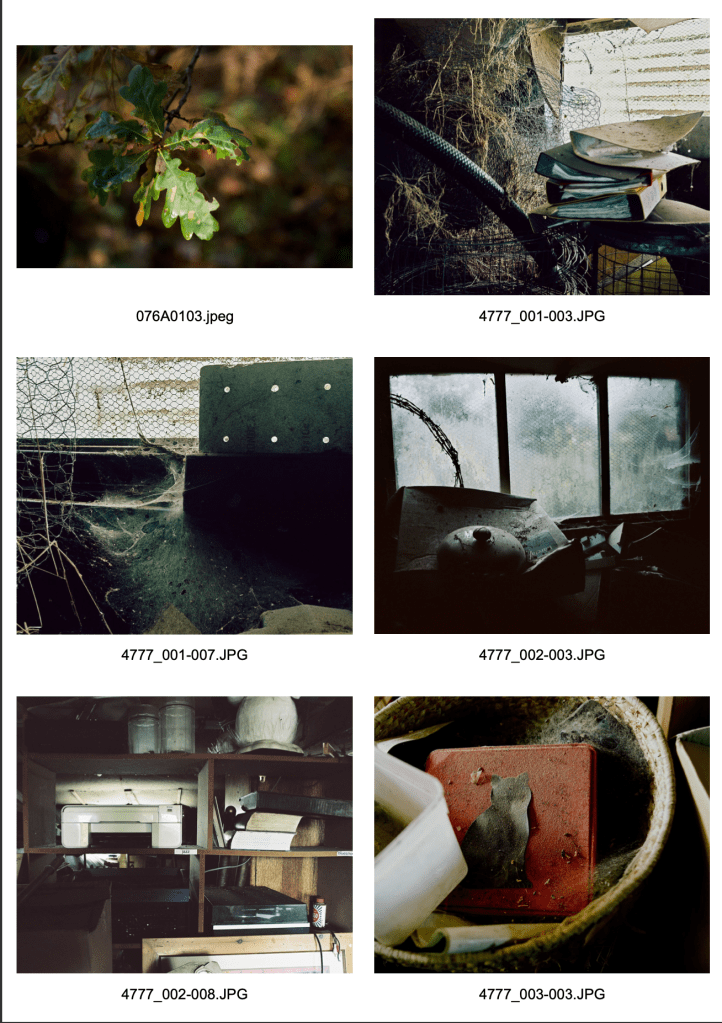
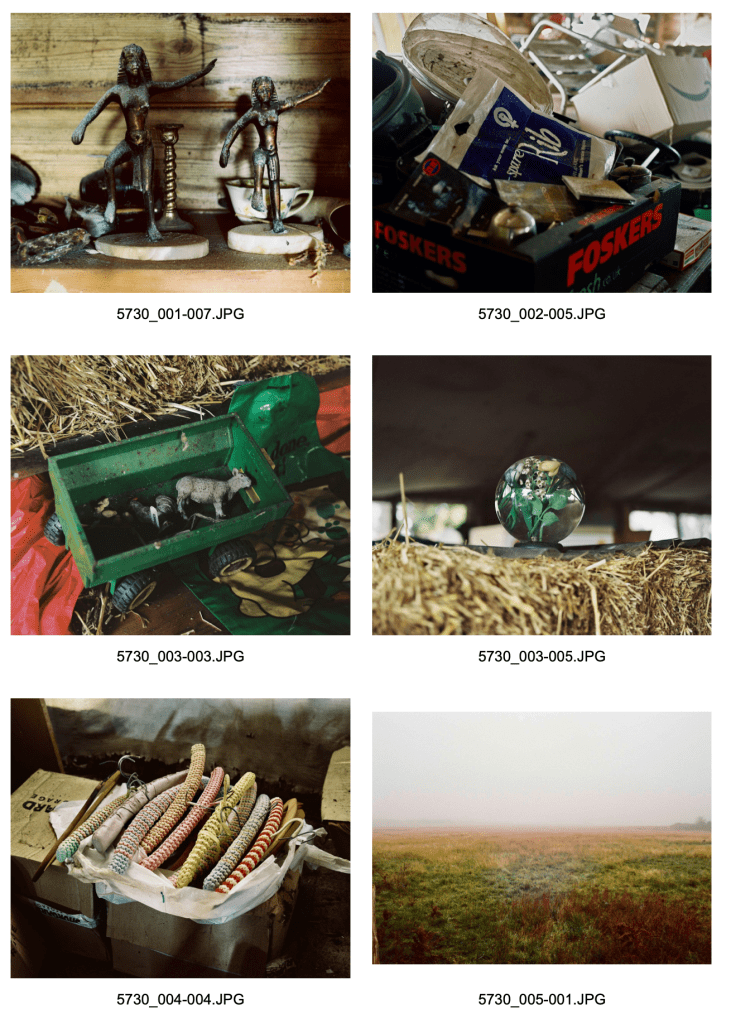
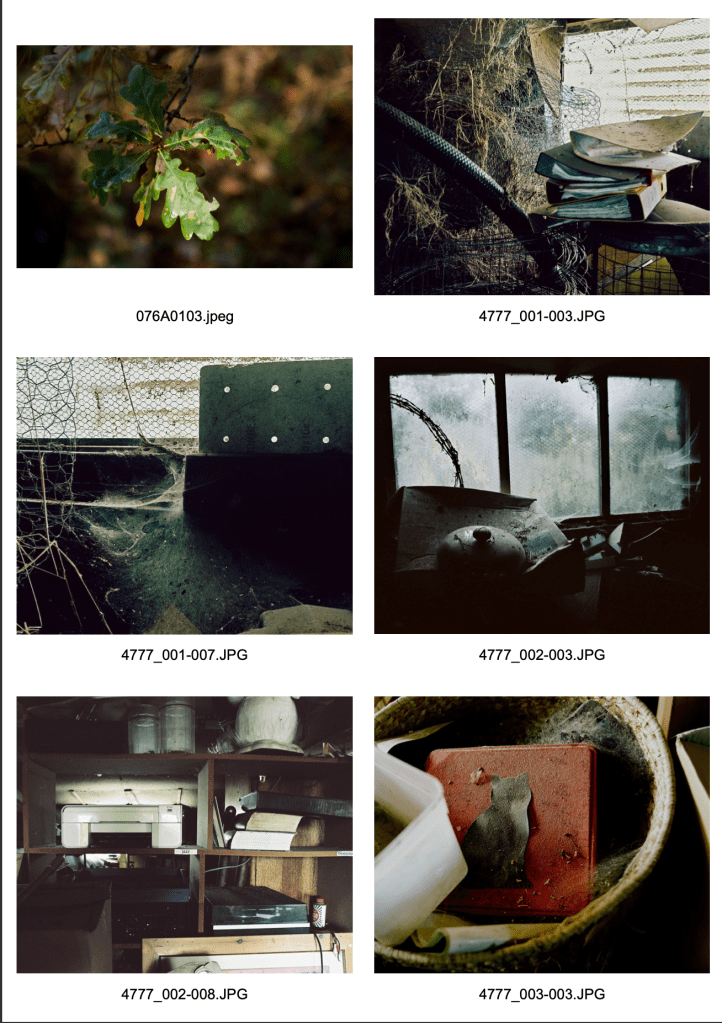
here are some contact sheets of all the images I had to work from for my edit for this portfolio. I didn’t have good quality scans for all these images and only used the images with the high quality professional scan quality. Also I tried to tell one story in the edit and concentrated on the memory of having roast dinner with my mother. These are other back stories covered in the images like her feminist roots and other beautiful details of the barn. I didnt have a good quality scan of a exterior landscape/nature shot and would of liked to include one in my final edit.

Limitations – improvements

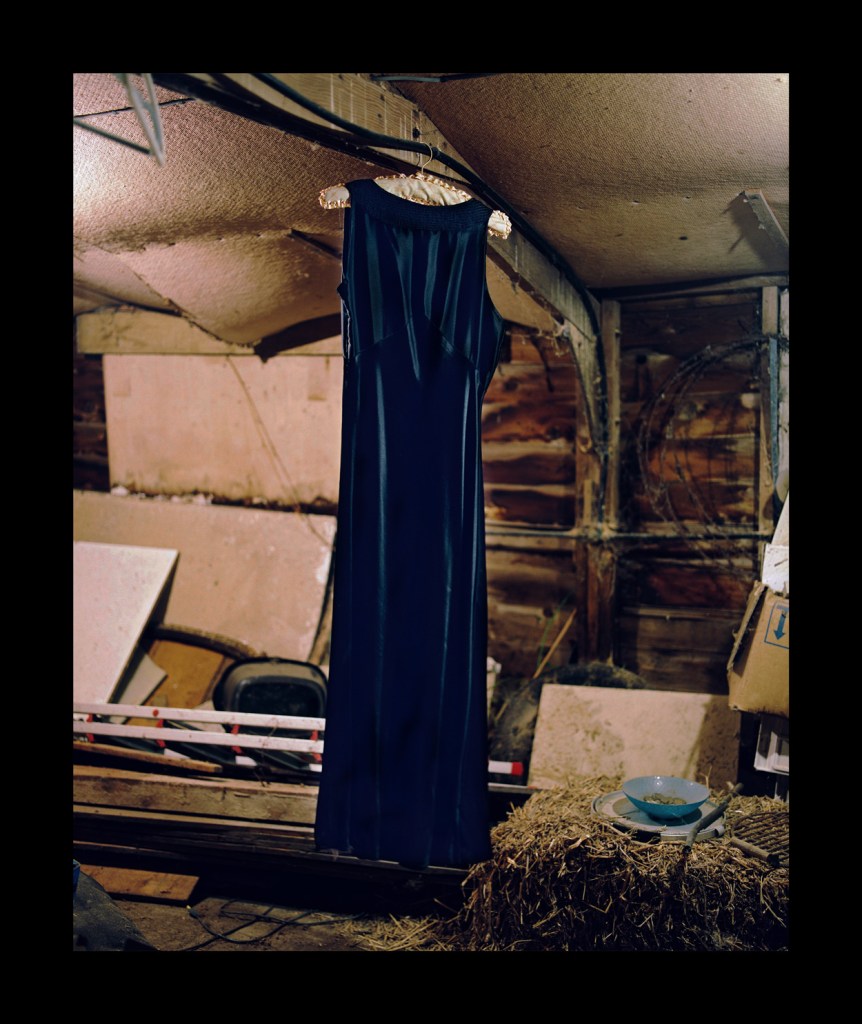
Over all I am very pleased with the portfolio but there are a few little mistakes which I would of liked to correct but was unable to due to problems with access to the printer and not being able to print with out Lawrence. when I was putting the portfolio together I noticed that one of the prints was a different size. I would also of liked to resize the only portrait formate print of the dress to make it same preparations as the landscapes formate prints, its a bit small. the other thing is colour balance. due to the limited time I had available with Lawrence I wasn’t able to do lots of test prints and really double check the colour palette across all my prints. These are not big issues But I don’t believe there is room for error in a professional portfolio. the client isn’t going to feel confident in your ability to deliver a professional final product if you can’t even get your own portfolio perfectly presented. I had to approach the project in a professional way in respect to access to printers, Lawrences time and cost of prints. I have pointed these errors out in this blog but believe that the work I have presented is just about to a high enough standard despite some of the compromises I had to make. in a professional world it is about both perfection, the reality and compromise.

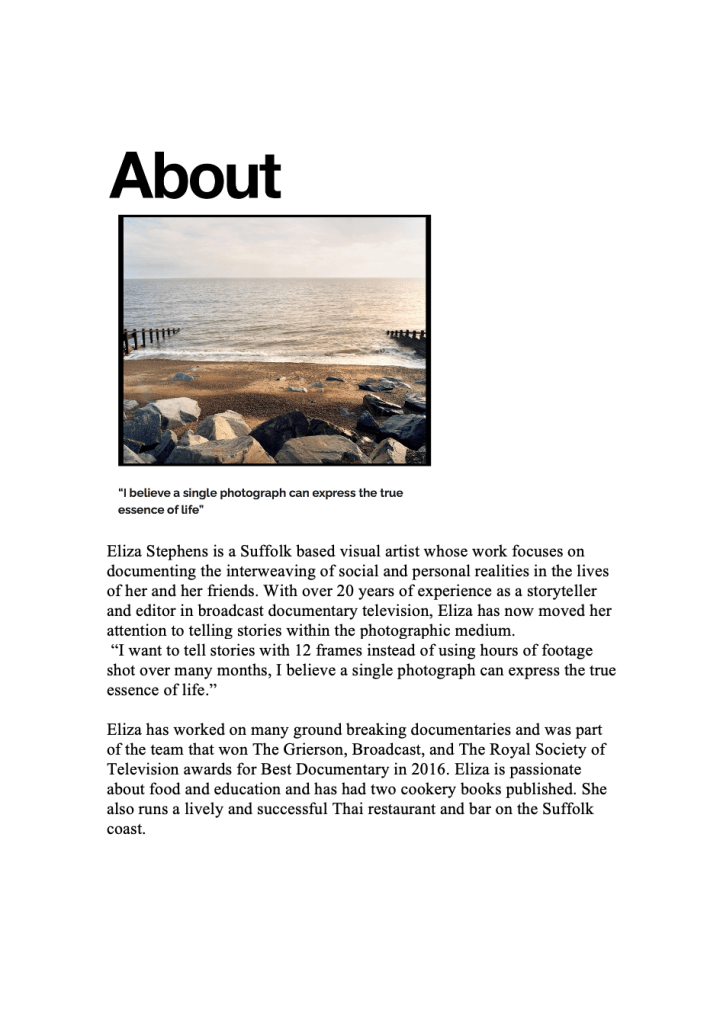
About

Eliza Stephens is a Suffolk based visual artist whose work focuses on documenting social aspects and the realities of hers and her friends lives. With over 20 years experience as story teller and editor in broadcast documentary television Eliza has now moved her attention to telling stories within the photographic medium.

“I want to tell stories with 12 frames instead of using hours of footage shot over many months, I believe a photograph can express the true essence of life”.

Eliza and has worked on many ground breaking documentaries and was part of the team that won The Grierson, Broadcast and Royal television awards for best documentary in 2016. ‘Here Come The Romanians’ was produced by Keo Films for channel 4.

Eliza is passionate about food and education and has had two cookery books published, she also runs a lively and successful Thai restaurant and bar on the Suffolk coast.

Recent photographic projects include

Corona vision – An exploration into the realms of Hyper Reality and the Main Stream Medias representations of the pandemic during the first wave of 2020. Using the portal of televisions as the eye of God combined with the enforced isolation of lockdown, this project narrates the first 60 days of this life altering global event. Exhibition Project, ongoing.

Dust to Dust – An exploration of hoarding and grief and attachment. A personal investigation into the objects that surround us, how we perceive a form of protection when really we are surrounded by a wall of grief and a lack of self validation. ultimately an investigation into concepts of mortality, eternity, acceptance and ceremony leading to a path of meditative spirutuality. 2020 Ongoing ( ANTHROPOMORPHISATION – Attribution of human motivation, characteristics, or behaviour to inanimate objects, animals, or natural phenomena. )

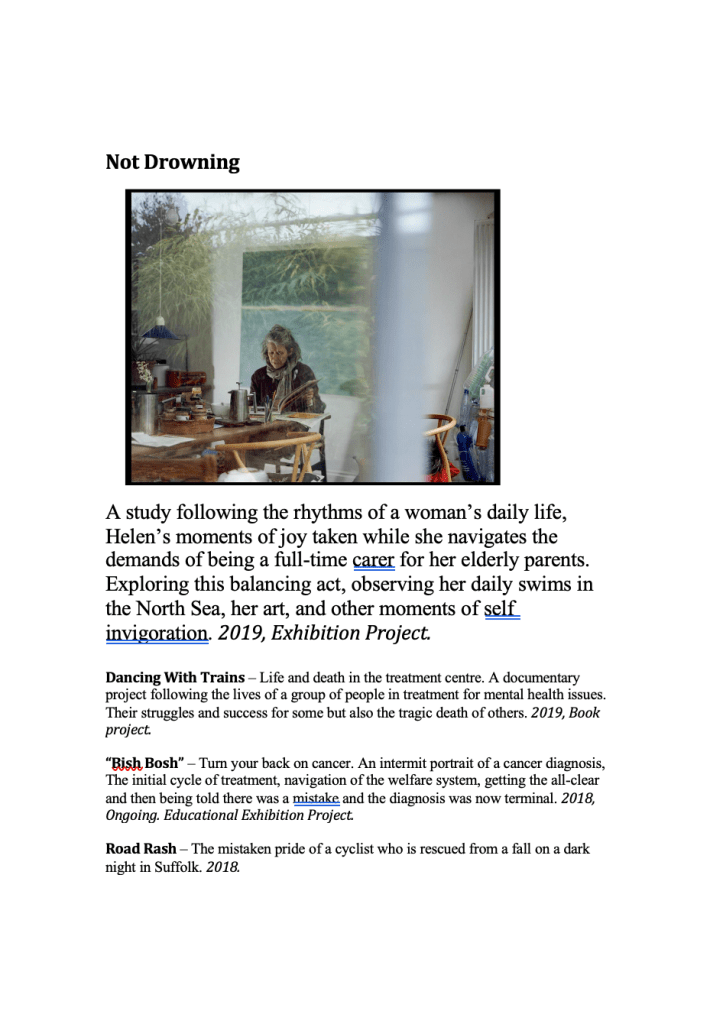
Not Drowning – a study following the rhythms of a woman’s daily life, her moments of joy taken while she navigats the demands of looking after elderly parents as their full time carer. Balancing herself with daily swims in the North Sea, art and other moments of self invigoration. 2019

Dancing with trains – Life and death in the treatment centre. A documentary project following the lives of a group of people in treatment for mental health issues. Their struggles and success for some but also the tragic death of others. 2019, book project.

Bish Bosh – Turn your back on cancer. An intermit portrait of a cancer diagnosis, The initial cycle of treatment, getting the all clear and then told there was a mistake and the diagnosis was now terminal. 2018, ongoing

Road Rash – The mistaken pride of a cyclist who is rescued from a fall. 2018

Design a site like this with WordPress.com
Get started