in this post I am going to discuss the four case studies covered in the lecture and comment on my own work and how it is affected by these ethical dilemmas . During the lecture I was specifically asked to research case study 2 about the Don McCullin image and issues around truth and facts in photography and the ethics of image manipulation in News photography specifically War and documentary work. I am also interested in this image in regard to the ethics around photographing dead people and showing their images to the public. I have used the image of a dead person in one of my images and I will discuss this. I am also going to discuss case study 3 and 4 as I am very interested in appropriation, I am very pro appropriation in fact and have used appropriation in my own work. I will discuss that further too. One of my main sources of research around the Ethics of photography is Susan Sontag masterpieces ‘On Photography‘ and ‘Regarding the Pain of Others‘. While Sontag discussed the ethical dilemma of photography I will also be looking at copyright law and professional codes of practice.
CASE 1
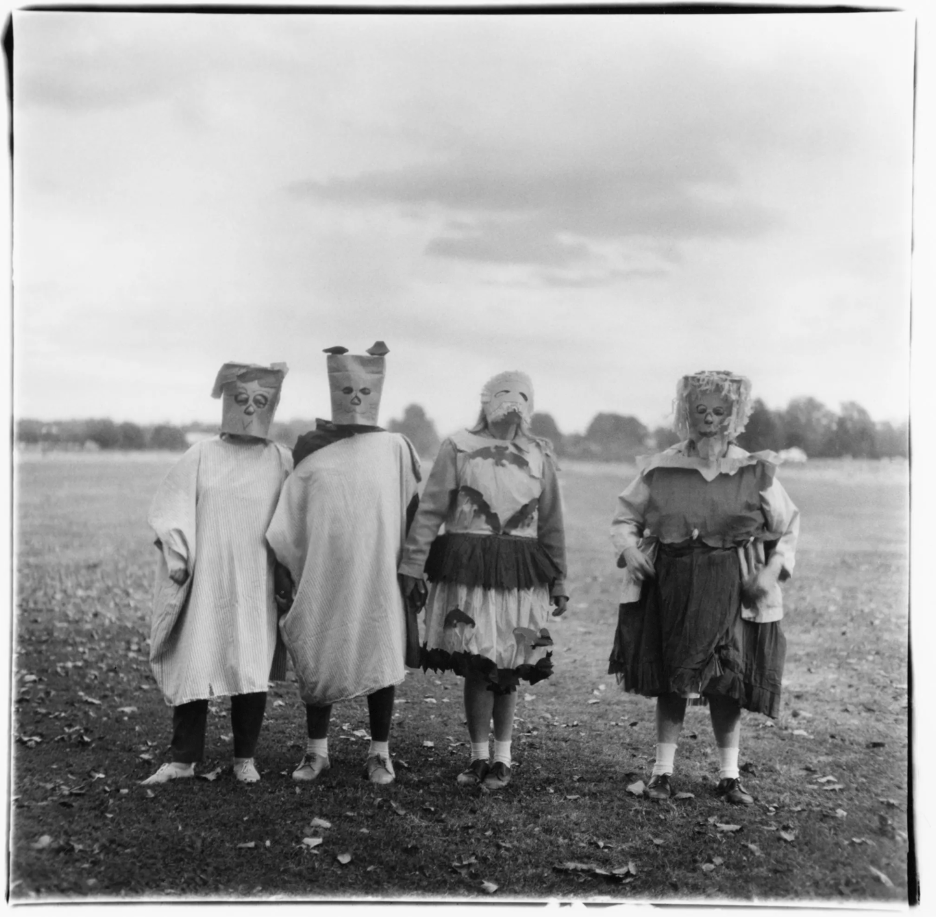
The incredible chapter written by Susan Sontag in her book On Photography called ‘America, Seen Through Photographs, Darkly‘ is a detailed discussion of the changing appetite of the viewing public from one of sublime “beauty” to morbid fascination of the “ugly”. On of the interesting analogies is that of Edward Steichen’s 1953 exhibit “the Family of man” as contrasted with Diane Arbus’s retrospective at MOMA in 1972. Sontag describes these events as “one does so by universalising the human condition into joy , the other by atomising it into horror”. both exhibits clearly correspond to the historical context of the time where Steichen’s exhibit in the 1950’s reflects the optimism of post war America and its need to make sense and soothe itself after the horrors of world war 2 the other reflects the emerging cynicism of the 1970s, “the American experience had gone sour”. Where up until then photography had been about “levelling up, not down” Another trait she discusses is the emergence of vernacular photography and finding beauty in the banal. citing the work of Walker Evens as an example of how to make the ordinary beautiful. Evens photographed a milk bottle in 1915 and this was one of the first examples of beauty with in objects that weren’t beautiful.
Another interesting exhibit at the time was “New Topographics- Photographs of man-altered Landscapes” shown in 1975 , an exhibition curated by William Jenkins, it featured the work of Robert Adams, Lewis Baltz, Bernd and Hilla Becher, Joe Deal, Frank Gohlke, Nicholas Nixon, John Schott, Stephen Shore, and Henry Wessel. It is Another turning point in the history if photography and it signalled a radical shift away from traditional depictions of landscape. Pictures of transcendent natural vistas gave way to unromantic views of stark industrial landscapes, suburban sprawl, and everyday scenes not usually given a second glance.
With Arbus, Sontag states the intention was contrary, “lined up assorted monsters and borderline cases – most of them ugly; wearing grotesque or unflattering clothing; in dismal or barren surroundings” Arbus did not invite the viewer to relate to these miserable looking people she wanted to create a sense of other and a non humanistic view.
“concentrating on victims…but without the compassionate purpose that such a project is expected to serve… she shows people who are pathetic… does not arose compassionate feelings”.
the images have a dissociated view and have been praised with an unsentimental empathy. Sontag reminds us that the camera can function as “a kind of passport that annihilates moral boundaries and social inhibitions, freeing the photographer from any responsibility toward the people photographed”
Arbus is quoted as having written “and essentially what you notice about them is a flaw” she is attributed with an overriding theme to her work.. “armed with a camera, could insinuate anguish, kinkiness and mental illness with any subject”. It was arbus’s intention and her choice of images show this clearly. She didn’t choose the most flattering image. and there is an ethical issue of what it might mean to depict a subject with an image which is at odds with their own desire to flattered. This image below was taken from a contact sheet of many more attractive images, that wasn’t Arbus’s imitation. her choice was deliberate as you can see here.
diane Arbus
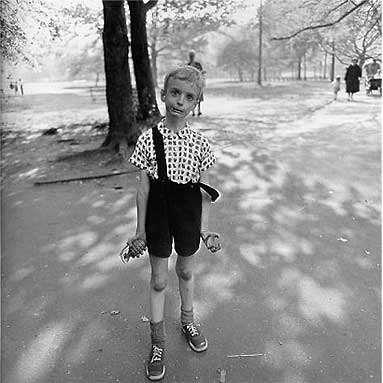
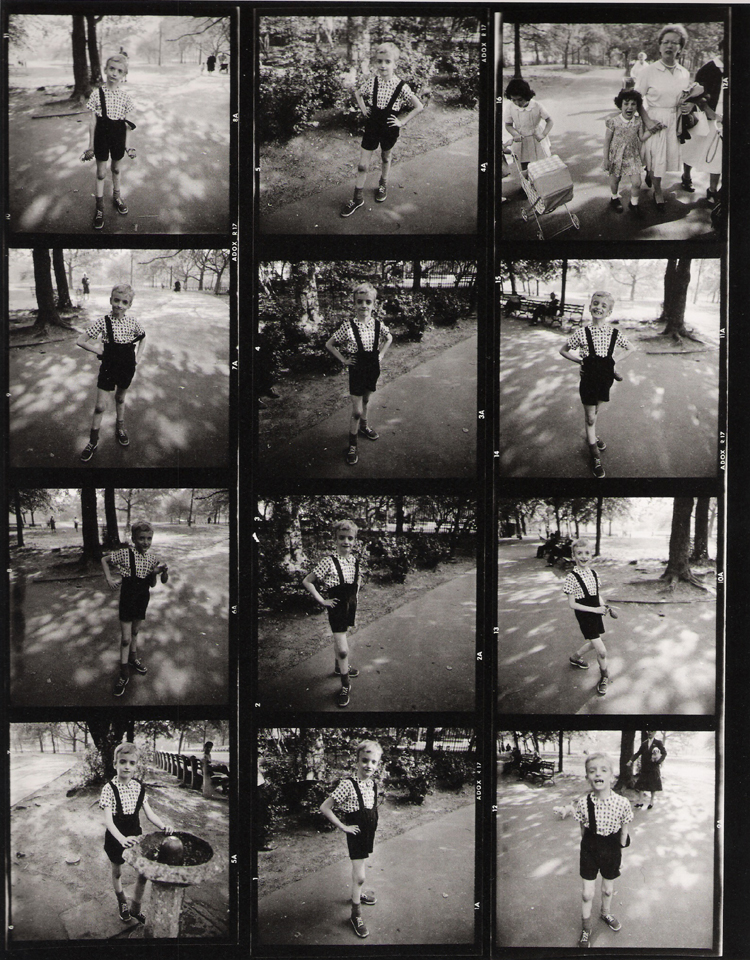
It was Arbus’s choice to suggest a world in which we are all isolated and awkward. It has been said that all controversies around Arbus’s practice was vindicated by her own suicide. Sontag says “the fact of her suicide seems to guarantee that her work is sincere, not voyeuristic, that it is compassionate, not cold. Her suicide also seems to make the photographs more devastating, as it proved the photographs to have been dangerous to her”
Sontag also reminds us that the camera can function as “a kind of passport that annihilates moral boundaries and social inhibitions, freeing the photographer from any responsibility toward the people photographed.”
Compliance and privacy issues remain. The issue of who has control over the final image are not quite clear in copywriter law. its true that whoever presses the button own the image unless they are under contract and are working for someone else, then they could also be assigned ownership. When working in Television documentary release forms would have to be signed by all specific contributors if the were speaking But background people , on the street for example did not have any right to the images as the street is a public place. if you were filming in a public place like restaurant which was still open to the public individual permission would not be necessary but a notice would need to be put on the wall notifying people that filming was taking place.This due diligence provided exemption for privacy claims.
When I photographed people in the Rehab back in 2019 I spoke to everyone and asked permission too photograph them and did not let my lens rest of those that didn’t want to be included. obviously a rehab also raised issues around medical health and medical confidentiality. if I was going to publish a book of these rehab pictures I would follow my own code of practice and contact all the people again to check they were still happy to be identified as addicts in the public domain.
with Arbus’s images the people in her images have given permission by default because they are posing for the camera, so that is an unwritten consent. there is an interesting debate about the life of a photograph as being separate from the subject within it. it has been said that
“the photograph always includes our death. It is a thing that by its nature exists apart from us and can continue to exist after us, and its necessary independence and durability presuppose our mortality. In similar fashion, the very form of the medium also presupposes that it will not and never could protect the wishes of those being photographed. “
Nussenzweig v. DiCorcia

In 2006 Erno Nussenzweig took Philip-Lorca diCorcia to court. This pivotal lawsuit began in 2005, when Nussenzweig discovered that diCorcia, the renowned photographer, exhibited and sold images of his likeness without his consent. it was part of diCorcia’s 2001 series, Heads, at the Pace/MacGill Gallery. As an Orthodox Hasidic Jew, diCorcia’s reproduction of Nussenzweig’s image were violations of his deeply held religious beliefs, and in legal terms, a violation of the Civil Rights Law and New York State Privacy laws. The lawsuit requested the halt of all sales and publications of the specific image, as well as over $1 million in compensation.
DiCorcia’s defense stood by the fact that the Nussenzweig’s photograph was “art” and therefore exempt, since “art” is protected as free speech under the First Amendment of the United States. diCorsa won and went on to sell prints of Nessenzweig for $30,000 each, a run of 10 !
This is an interesting landmark case on the ethics of street photography and the use of public places. Is it a free for all for artistic expression or an invasion of privacy. What happens now as our world grows into a surveillance state and our faces, taken as we are strolling down the street, is captured infinitely.
Case 2
Documentary, War and News Photography
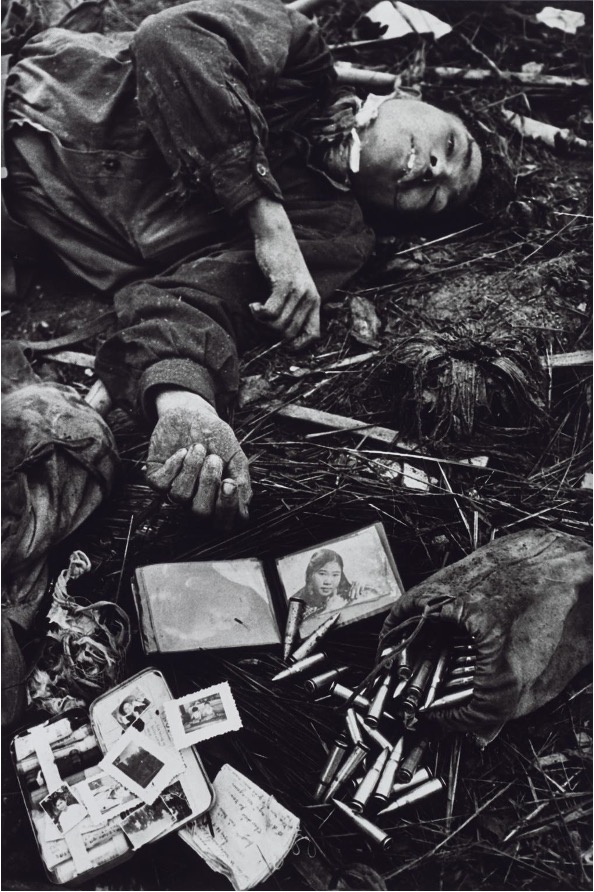
There are several questions around McCullin’s handling of image of the dead Vietnamese soldier above. One of the first is weather it is ethically correct to set up any part of a factual news photograph. fact or fiction? the other which I find fascinating is the ethics of showing dead people at all.
“He deserved a voice. He couldn’t speak so I was going to do it for him. I shovelled his belongings together and photographed them. That’s the only contrived picture I’ve taken in war.’
McCullin describes how just before he set up the picture he saw 2 American soldiers looting the booby trapped body and heard one of the soldiers refer to him as ” a dead gooK”. McCullin says he saw red and felt enraged and decided to right this wrong. he arranged the pictures of the soldiers mother, his sister and children and gave dignity back to ‘an innocent young man fighting for national reunification’. he humanised the man and gave his life context, he says he did it as a personal statement.. McCullin has been strongly criticised for doing this
https://www.theguardian.com/artanddesign/2012/nov/15/don-mccullin
In an interview in the guardian McCullin discusses the concept of TRUTH in photography. and he says that it is almost impossible not to be truthful in such devastating place as a battle field. if someone is dead they are dead, it doesn’t matter how you frames them. yes you take a split second to compose but its about an emotional commitment and connection not about perfection of technical aspects.
there is a long history of Truth in photography and when it was first invented people associated it with factual representation, Fox Talbert called it the pencil of nature. Its use by architects and the police as forensic evidence and as identification tools have given the photograph the reputation of being truthful. there is also a perceived attitude in the public that photographs shown by reputable agency like television and some newspapers all come with some kind of seal of authenticity and truthfulness. And it is true that many photojournalists would be refused work if they were shown to manipulate the truth while taking the photograph or in post production. there is a strict code of conduct.
there is a massive philosophical debate about what truth is, what facts are, is there even such a thing or are they just perceived ideas and actually truth is carried by the individual and totally reliant on the context of their own lives and environment. from Rene Descartes to Friedrich Nietzsche the search for truth, its meaning and even existence have been hotly debated. I would like to expand into endless philosophical ramblings here but will save you the pain and focus of professional practice not critical theory.
The subject of an image rarely sits alone and the context it is presented in both within the frame and outside of it, with supporting text for example, can dramatically alter the perceived truth of the image.
In my opinion with this McCullin image I feel the McCullen was honest about what he had done and that he separates this image from his other true documentary/war images by saying “I was making a statement” in a way that is like saying this image had become an expressive”artwork”. he used props to tell a narrative. There was a sincere motivation to his manipulation which sits fine with me. I think in a post truth world that we live in it is difficult to trust almost anything!
Photographing the Dead or Dying
Another ethical issue around McCullin’s image and of course many war photographs is that they show pictures of dead people. Dead people who can’t give their permission to be shown and issues of privacy and respect to family members of the deceased need to be taken into account. I wrote about the image below for critical studies last year and discussed this subject in some detail. here is a summery of some of the ethical debate around both war photography and photos of the dead or dying and why they appear to have been censored from todays news outlets and newspapers.
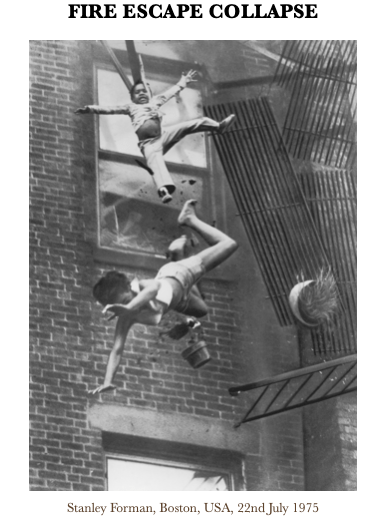
This photograph won the 1976 Pulitzer Prize in Spot News Photography and the World Press Photo of the year 1976. It was taken by Stanley Forman in Boston, USA while he was working for The Boston Herald American Newspaper. The photograph was printed on the front page and then around the world. According to Stanley the photograph was part of a sequence of shots that showed the moments nineteen year old Diana Bryant and her two year old god daughter Tiare Jones are thrown off a collapsing fire escape during an apartment block fire. Diana sadly died later that evening but Tiara survived as her fall was said to be cushioned by Diana’s body. The photograph caused public outcry and was accused of invading the privacy of the victims and their family.
There is extensive debate about the morality and ethics of printing explicit pictures of people who are dying or dead, in war zones, suicides or accidents. ‘Fire Escape Collapse’ was published in July 1975, a few months after the end of the Vietnam war. A conflict that generated a huge quantity of uncensored harrowing images, like the McCullin image that were widely published.
In 1977 Susan Sontag wrote in her book, On Photography, about the almost aggressive allure and pornographical nature of both violent and sexual images. That there has been a level of emotional insensitivity, or “compassion fatigue” caused by the over exposure of people to explicit images of violence and death.
Since Vietnam there has been a self imposed censor ship by the media to stop showing the dead. In his Article Horrific Blindness, David Campbell, traces the history of “disappearing bodies” from modern media. From the lynching photographs of the early twentieth century, when the public appetite for horror was rampant.
“Hundreds of kodaks clicked all morning at the scene of the lynching…”(Litwack, 2000, cited in Campbell, 2004, p.57)
Campbell describes the decline in publication of horror images from Vietnam to Iraq and finally to their complete absence in the the media during the Bosnian war. Campbell agues that this self censorship has resulted in the media being unable to uphold their “ethical responsibility” in the face of crimes against humanity.(Campbell, 2004)
In his book, Body Horror, Taylor also addresses the “disappearance of the dead” writing that it was the media’s own restrictions that censored the Bosnian war. In the UK this led the BBC’s corespondent, Martin Bell, to complain publicly that he was unable to report the reality. The censorship of “good taste” was, in Bell’s words, “leading the BBC to prettify and sanitise the war”
The modern Press has is own codes of decency and propriety. The National Union of Journalists has a list of twelve codes of conduct; number six states:
“6. Does nothing to intrude into anybody’s private life, grief or distress unless justified by overriding consideration of the public interest.” (NUJ code of conduct, 2011)
Are these codes of good taste and decency beneficial or even relevant today with our uncensored access to the internet. When Stanley’s Photograph was printed it was in the public interest. Stanley wrote
“I was never bothered by the controversy…My photograph prompted people to go out and check their fire escapes and ushered in new laws… for fire-escape safety”(Picture Power:Fire-escape drama, 2005)
The Vietnam photographs helped to catalysed the huge anti-war protests that contributed to the withdrawal of American troops. In fact Sontag later argued that perhaps ‘compassion fatigue” is not due to over exposure to explicit images but about the political context in which they are shown, to be empowering there needs to be an option for change.
“People don’t become inured to what they are shown – because of the quantity of images dumped on them. It is passivity that dulls feeling” (Sontag, 2002 cited in Campbell, 2004, p.63 )
One of the most censored images in modern times is “The Falling Man” A photograph that was published around the world, then all but disappeared from public view. Today with the internet I was easily able to find a copy online.
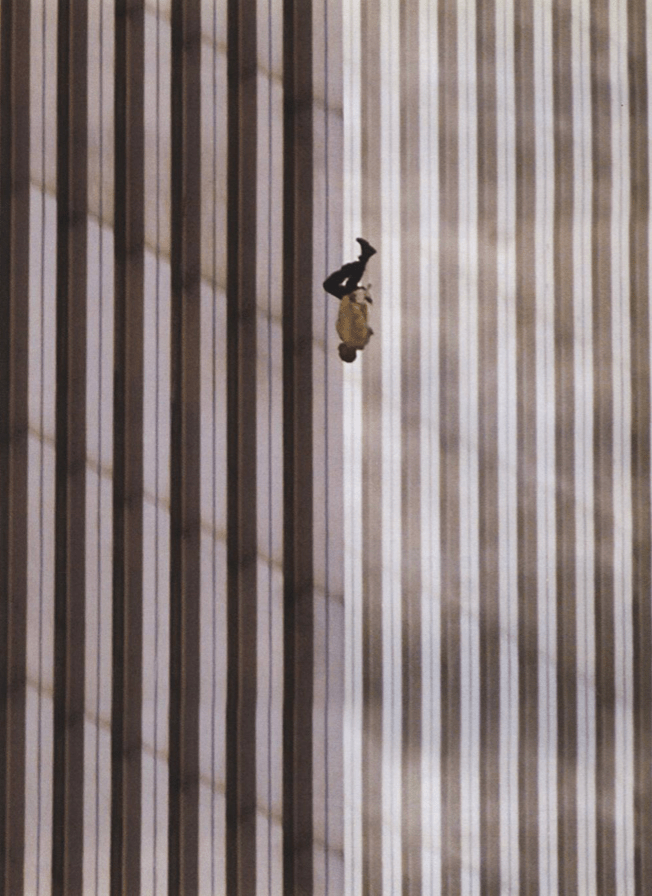
The photo shows just one of the estimated 200 people, called “Jumpers”, who instead of burning and suffocating, choose to fall to their death from the World Trade Centre on September the 11th, 2001. An event described in Esquire Magazine as a “mass suicide” (Junod, T. 2003). The public discourse and mass-condemnation of its printing could be attributed to the sense of powerlessness people felt around this terrorist attack, there was nothing they could do, was it gratuitous? Or perhaps it was that the “Jumpers” were mainly white, middle class and symbols of the American dream.
With the loss of control of institutional censors and the freedom of information online I believe censorship guidelines should be changed. It is vital to increase the visual intelligence of the viewing population. If the main stream press took back the responsibility of reporting the full extent of the horrors of life it could help people contextualise “horror” images and decrease their ability to violate and titillate the viewers.
Using pictures of the dead in my own work
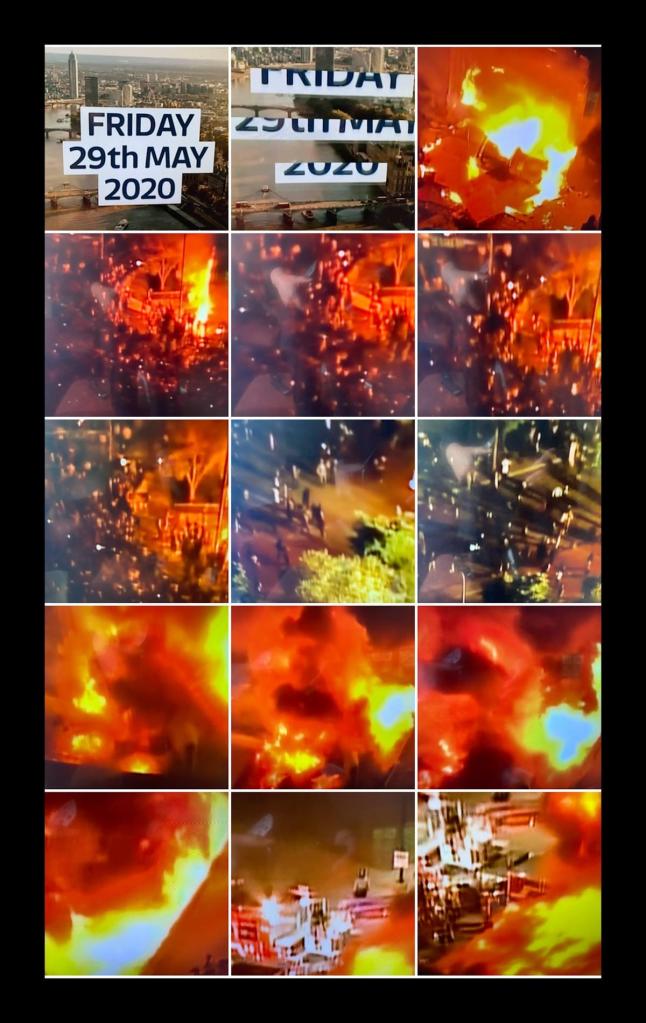
on my website in one of my projects called Corona Vision I have included a pictures of George Floyd as he was being murdered by the then 44-year-old Derek Chauvin, a serving white police officer with Minneapolis Police Department on May 25th 2020. Chauvin was convicted of his murder on April 20th 2021. George Floyd’s murder led to world wide protests against police brutality, racism and police accountability.
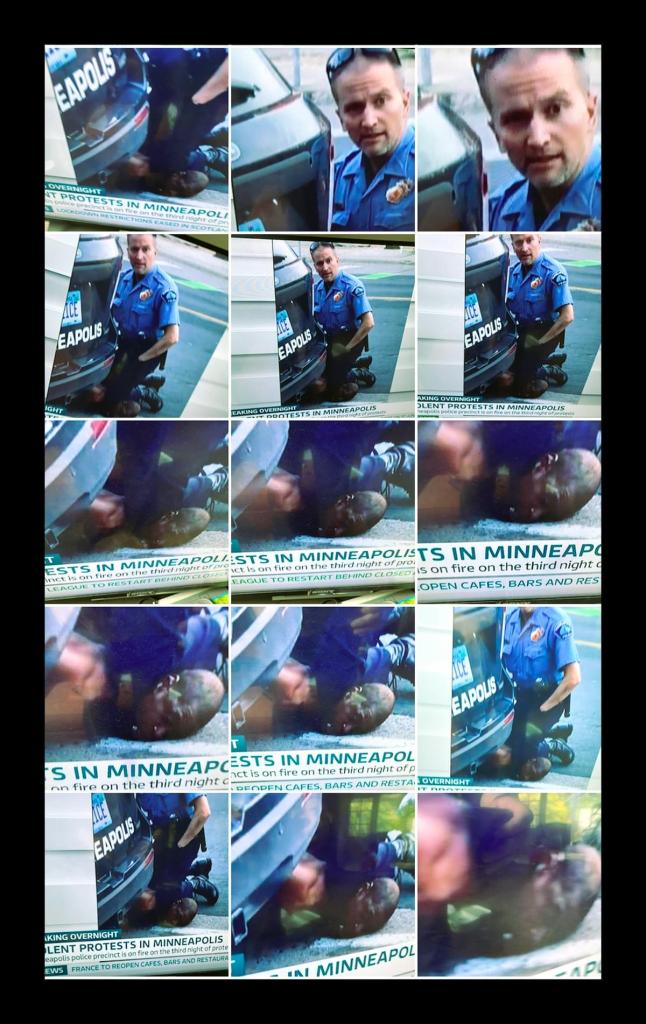
here is the synopsis of the project
Corona vision – “Good Morning Mr Orwell”
An exploration into the realms of Hyper Reality and the main stream media’s representations of the pandemic during the first wave of the Coronavirus pandemic of 2020. Using the portal of televisions as the eye of God, combined with the enforced isolation of lockdown, this project narrates the first 60 days of this life-altering global event. 2020, Exhibition Project, ongoing.
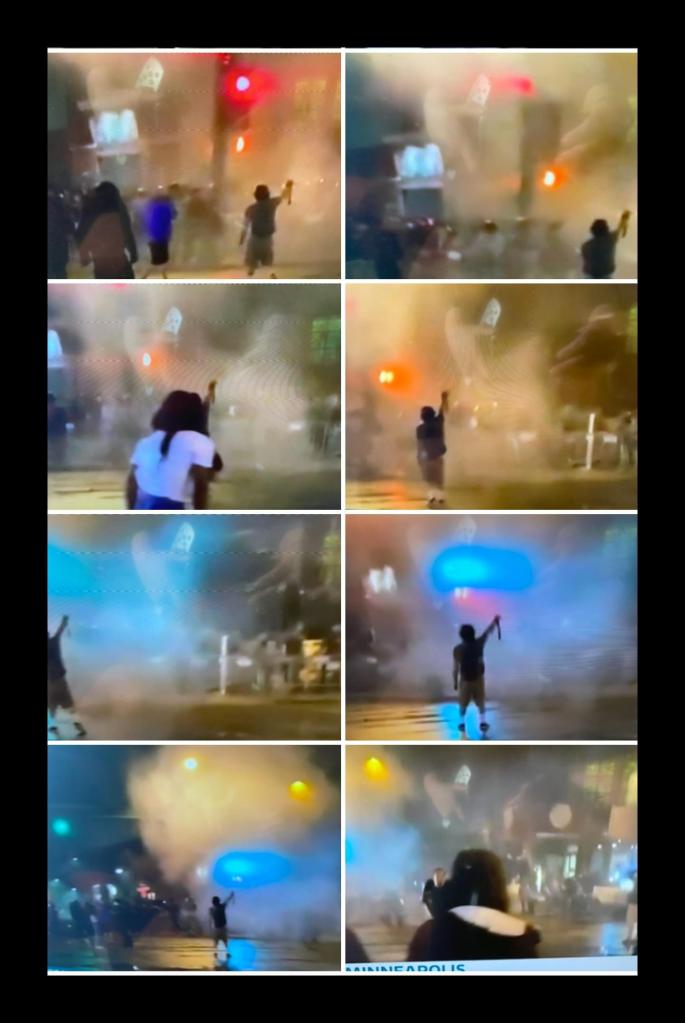
I actually discussed the use of these images with someone at the university just to check my working practice and ethics around showing a dying person on my website. As discussed earlier my project is a comment and Narrative around a series of events that shaped the world in the first few months of the pandemic and how it was represented in the main stream media. my use of these images are not gratuitous or disrespectful, I believe by showing them in conjunction with the other two grids representing the protesting and rioting that resulted from the murder of George Floyd it gives context and shows respect. I also believe that my choice of images in my George Floyd grid clearly focus on the brutality of Chauvin, The George Floyd pictures in the grid are all deliberately quite blurry, but Chauvin is clearly represented. looking at it now I find it a very disturbing image and think it is quite powerful.
also my image is a comment on the over use of such images by the media at a time when people were trapped in their houses with only a television to keep them connected. My project looks at the effect these images had on peoples mental health during this time.
CASE 3 & 4 – Appropriation
“Appropriation is the practice of artists taking already existing objects and using them, with little alteration, in their own works. The objects could be functional, everyday objects, or elements of other art pieces; commercial advertising material, newspaper cuttings or street debris” (the guardian)
https://www.theguardian.com/technology/2015/jul/18/instagram-artist-richard-prince-selfies
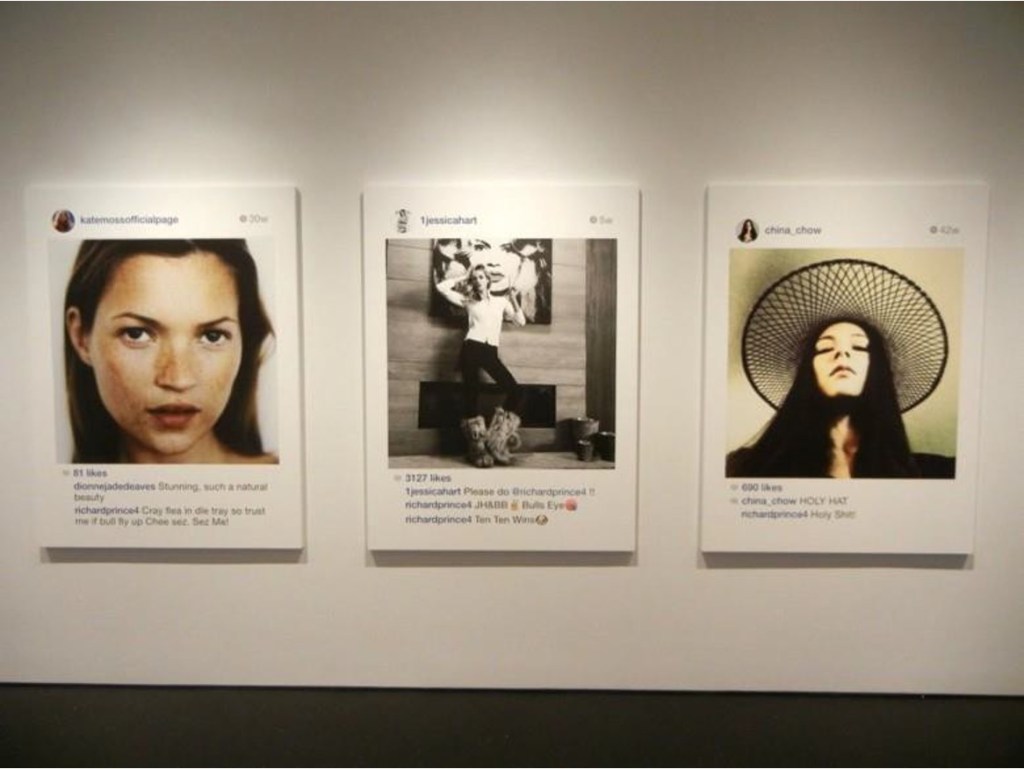
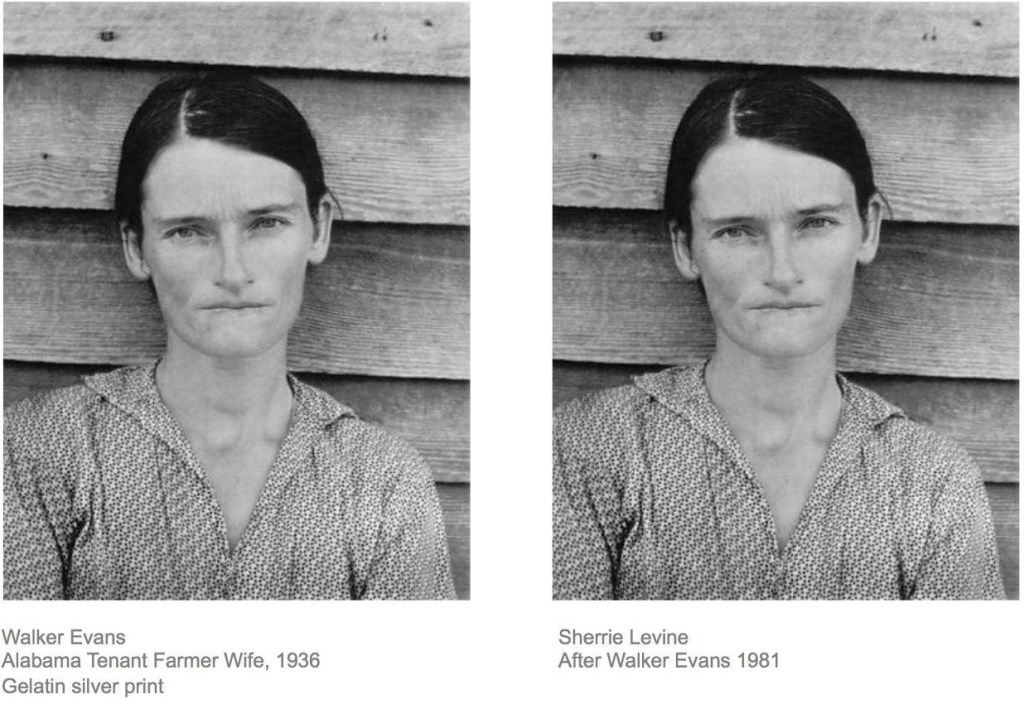
Both of these cases represent extensive legal battles around copy write law and ethics of Fair use. Both images are part of the development of “appropriation Art ” in the late 1970’s, a post modernist practice of what Prince describes as “rephotographs”. in both cases the artist has literally reproduced someone else work and called it their own. it is also conceptual art and the artist explanations for this practice is complicated.
with Sherrie Levine she questions how images are culturally constructed and the effects of their dissemination . Levine’s work questions what exactly one is looking at and asks viewers to consider the reasons why we inherently trust values in art such as authenticity and originality. it is said Levine sees her work as more of a collaboration with previous artists, in copying and replicating the work of male artists Levine also levels a feminist critique against the ingrained patriarchy of art history and society at large. Lavine mentions the ideas of French theorists such as Roland Barthes who declared the “death of the author” and whose texts became important for postmodern theory.
Appropriated art can be traced back to Picasso and Marcel Duchamp ready made sculptures, but Levine and Prince took it to a whole new level and infringed on intellectual property rights and had accusations of plagiarism.
Lavine’s work raises issues around repetition and how we judge difference and authenticity, she has also said her work is about fetishism and particularly marxist commodity fetishism where we assign monetary value to symbolic objects.
Roland Barthes – Mythologies, 1957. in this book Barthes uses advertisements for soap, the image of a film star and other common objects to reveal that each carries a hidden message, a mythology, an invented persona, an ideological meaning which represents and endorses certain political and social ideas of how the world is and should be. Mythologies that makes us the consumer allow it to take up new meanings and new values. Barthes pioneered ideas about systems of signification operating with in culture. he alluded to both structuralism and post structuralism and his work ranged from semiotic theory to autobiographical and he wrote about the practice of writing and photography. Barthes is one of the most important theorists of culture of the twentieth century.
when looking at the work of Prince it is clear he is following in the path of Roland Barthes. his deconstruction of cultural imagery from advertising and socials media lays bear the codes and signifiers of commercial photography, their repetition and cliches. By reproducing advertising and social media in a gallery, Prince forces the viewer to confront their fiction. his images of cowboys or reproduction of the pages of Instagram exposes these false constructions and shows how dependent they are on the context in which they are represented. It is said he has crafted a technique of appropriation and provocation. Prince followed in the footsteps of Andy Whole and Pop Art, blurring the boundaries between fine art and advertising, he is said to have influenced Levine. his brazen and unapologetic manner is also said to have been an important model for the Young British Artists (YBA”s) of the 80’s and early 90’s, especially Damian Hirst.
Both Levine and Princes Appropriation techniques have solisited multiple law suits, with mixed results but their work has forced a legal and artistic reconsideration of the rights of reproduction and the ownership of images.
Prince’s use of appropriation has been particularly problematic. His “Canal Zone” series sparked a lawsuit when the French photographer, Patrick Cariou, sued Prince for the unlawful use of his original photographs. The case is influential, weighing artistic freedom and fair use guidelines against copyright protections. The rulings were mixed, initially supporting Cariou’s claim and then supporting Prince upon appeal. The case was finally settled in 2014, where 25 of the 30 paintings from he “Canal Zone” series did not violate Cariou’s copyright. there was an out of court settlement. Prince’s series, New Portraits (2014) pictures above is based on Instagram photos, this has also resulted in legal action by the original photographers and forever feeds the ethical dilemma of online privacy and ownership in the digital age. complicated when much of what we mean by the internet is about appropriation, recontextualising and simply copying.
“Round and round we go. Retweeting, regramming, reblogging, re-everything.”
My Work and Appropriation
I worked for many years as a VJ at underground partys. I was a video artist and thought nothing of plagiarising everything. it was before the Internet so all the footage was copied on VHS from the television, other VHS movies, animation and other people footage. I would collate and edit all the footage mix it all up and project it live at parties. all I cared about was the visual rhythm of movement in the light of the image and how I could fix it to the beats of the music. Disney was one of my favourites sources. dancing Winnie the poo and drunken pink elephants from Dumbos dream, a terrified Snow White running through the forest and the drama of Fantasia With the 1000 broom sticks…there was loads.
With this video art it wasn’t plagerisim because I was changing the image, either through visual mixing or through distortions it was being shown in a different context and to be honest I didn’t think twice about it.
when I worked in broadcast TV there was a rule with reproducing art work or graphics and that was that the image had to be about 60% different. As rule compliance was always followed and artists were always credited appropriately and fairly.
Recently I have used other people images in my corona vision project. here are some images.
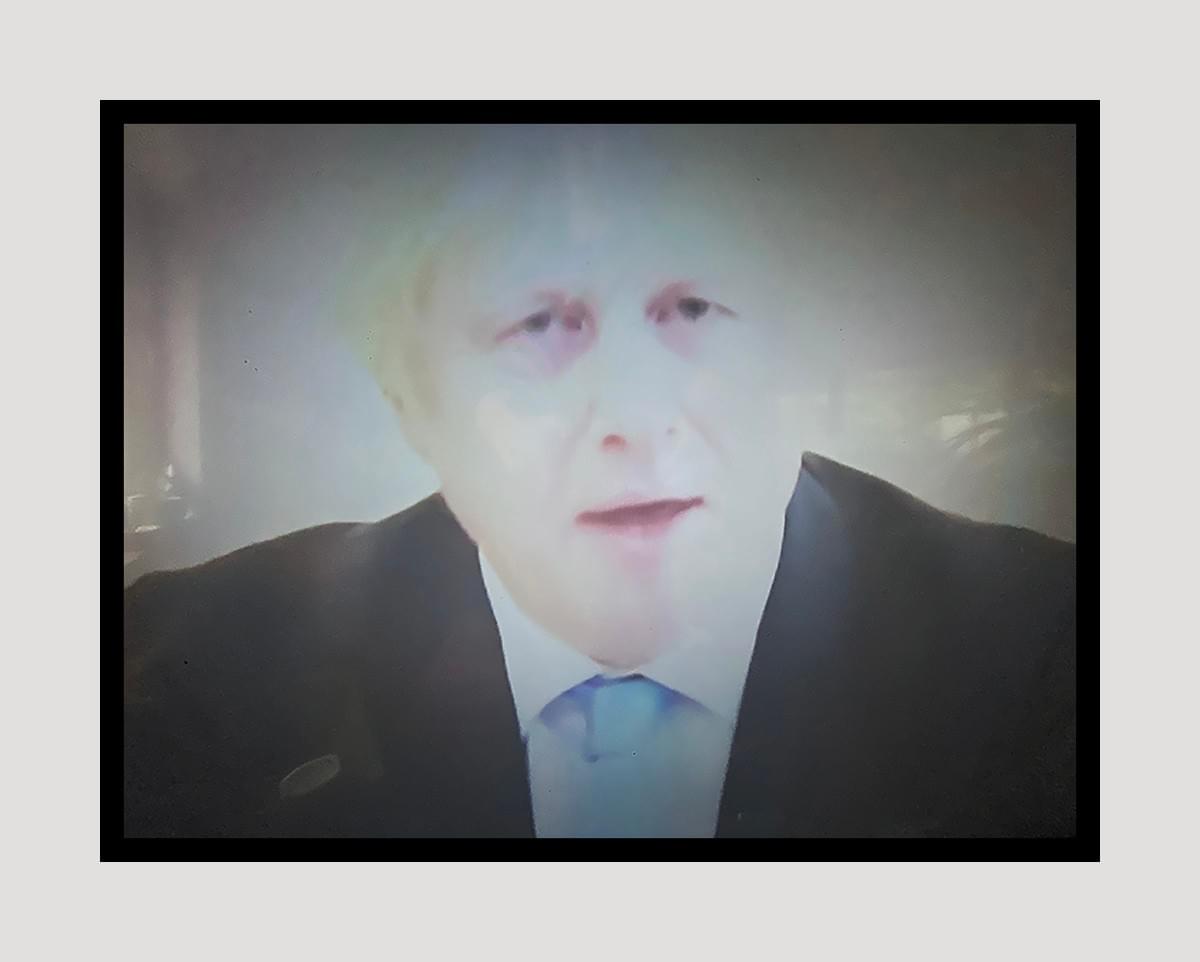
With Boris I have taken the image live from the television. someone else has used a film camera to record the original and it has already been broadcast by the BBC so they might say they own the image. but I have manipulated it by capturing it on my iPhone during broadcasts in my living room. you could almost argue that it was in the public domain when it was captured. also I have changed its appearance by a camera error and in photoshop. I believe it is my image, a menacing ghost of a man and part of my narrative.
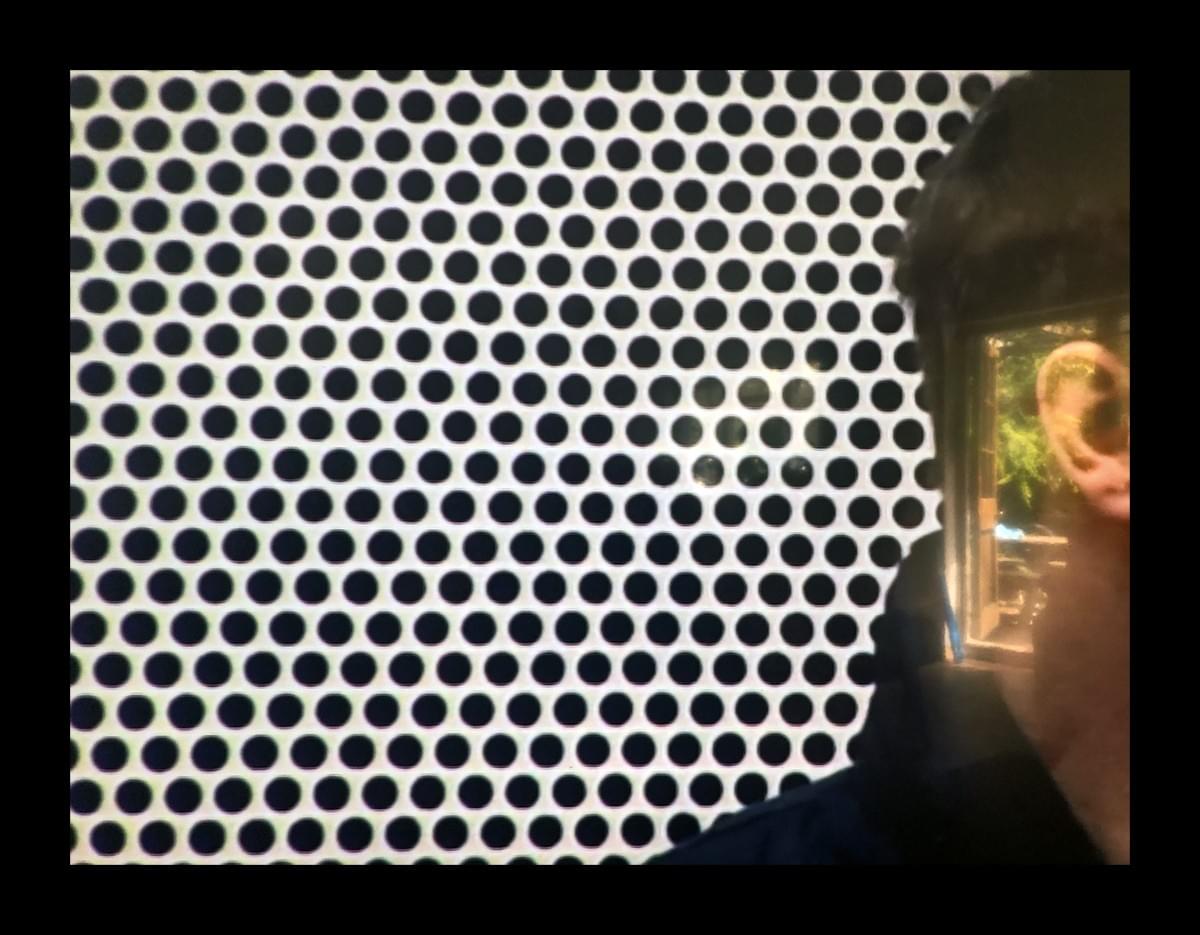
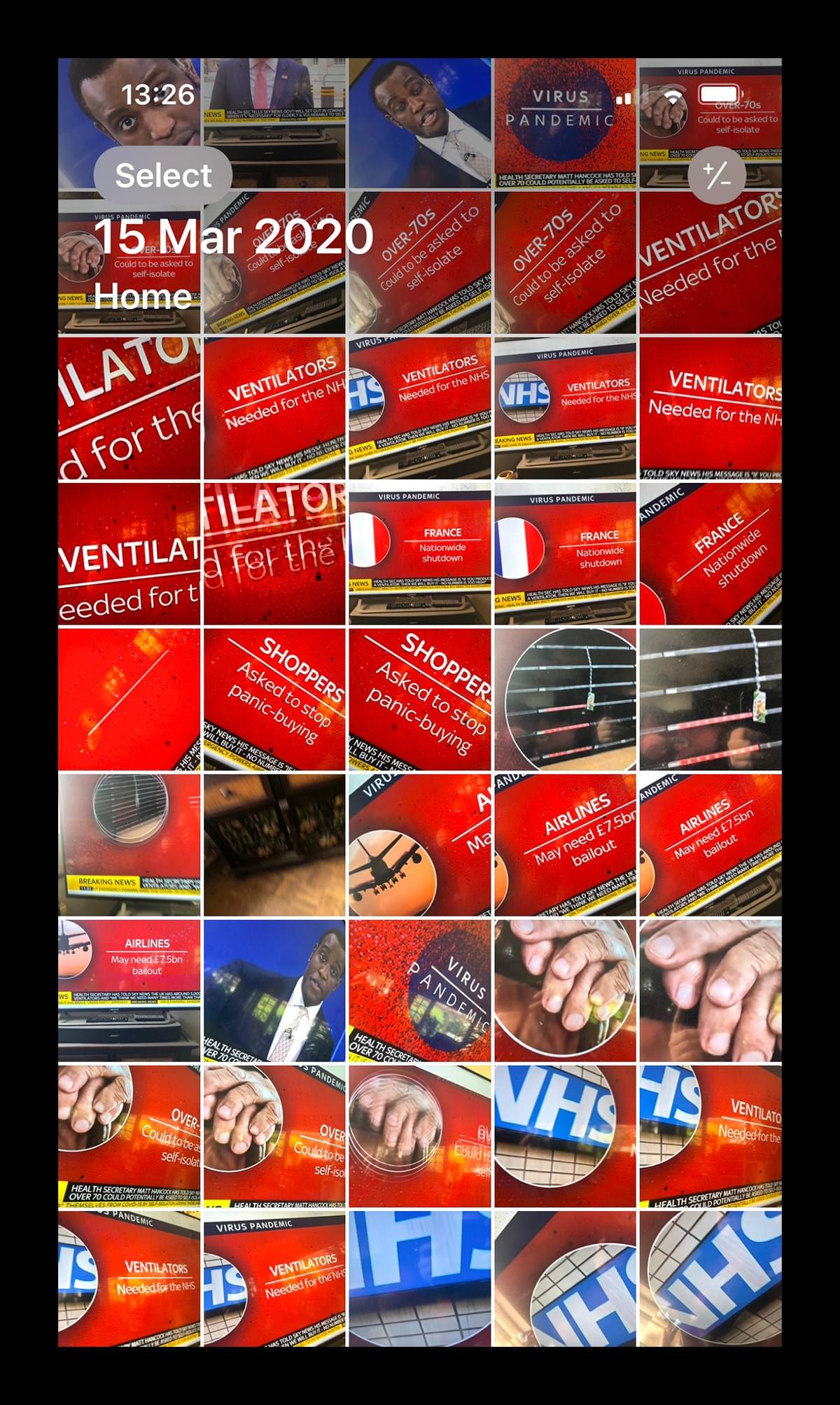
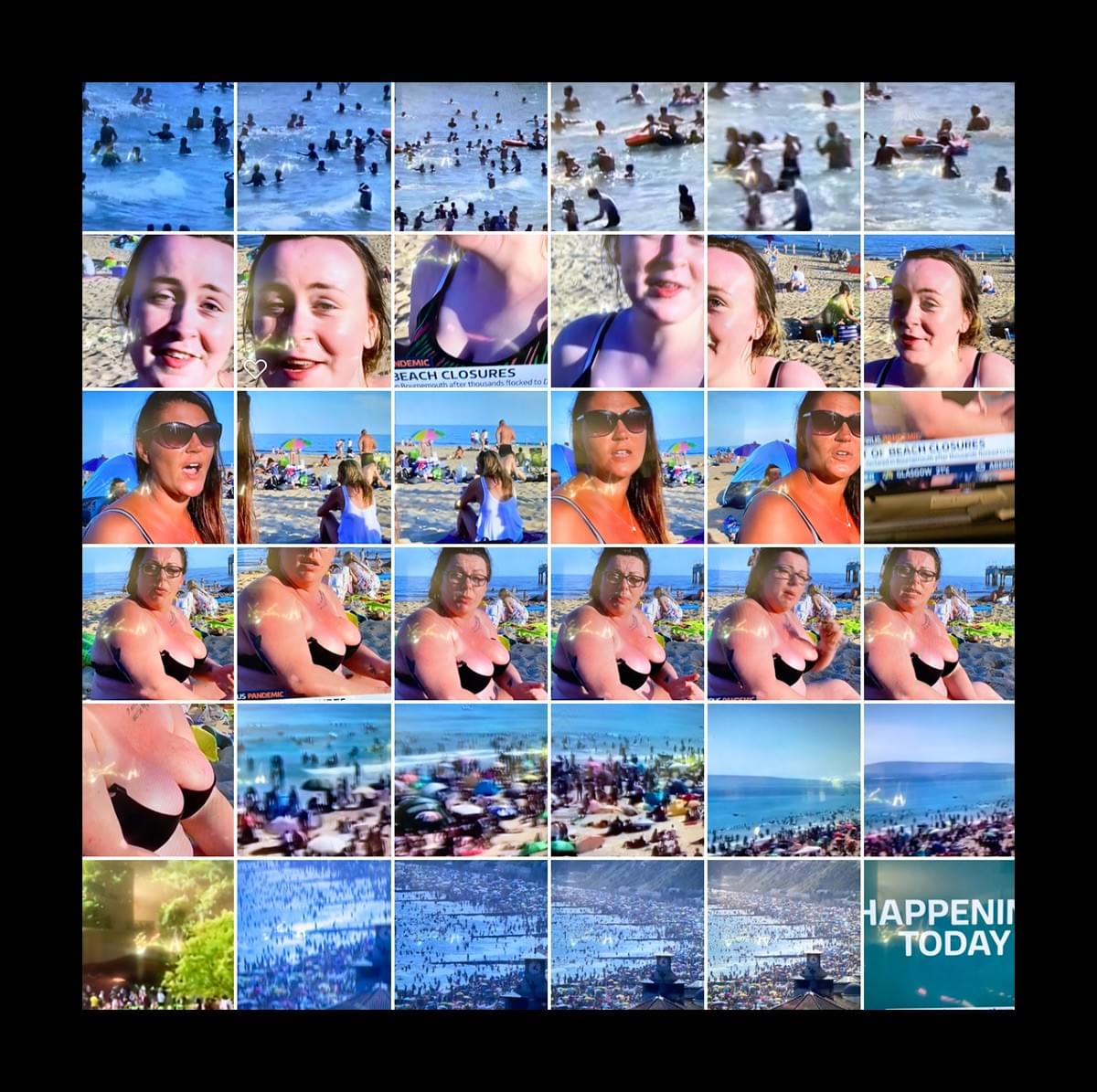
in the three images below, all taken from the television I have incorporated other peoples peoples graphics and faces. in the first image Self portrait it is a close up highly cropped still from a documentary about the artist Liechtenstein. Not only is it highly cropped but also has a reflection of my living room on the head. no question it is my image. In the ventilators image I have used massive crops of TV graphics, in this image I believe the creation of a grid and extreme cropping again creates an original image. in the final image “”super spreaders” the title is slightly derogatory towards the women on the beach. but it was true they were at Bournemouth beach that day at the beginning of the pandemic and ITV called them super spreaders. I would apply the laws around street photography here and that I could argue that it is art and it carries a message as part of a narrative.
I think Appropriated Art and the work of Prince and Levine is amazing, I think it is art and I am happy for them to continue to present us with images that make us question the fundamental philosophical structure of our society and culture.
 ELIZA FUTURE